
Lithium is a ‘gold standard’ drug for treating bipolar disorder, however not everyone responds in the same way. New research published in BioMed Central’s open access journal Biology of Mood & Anxiety Disorders finds that this is true at the levels of gene activation, especially in the activation or repression of genes which alter the level the apoptosis (programmed cell death). Most notably BCL2, known to be important for the therapeutic effects of lithium, did not increase in non-responders. This can be tested in the blood of patients within four weeks of treatment.
A research team from Yale University School of Medicine measured the changing levels of gene activity in the blood of twenty depressed adult subjects with bipolar disorder before treatment, and then fortnightly once treatment with lithium carbonate had begun.
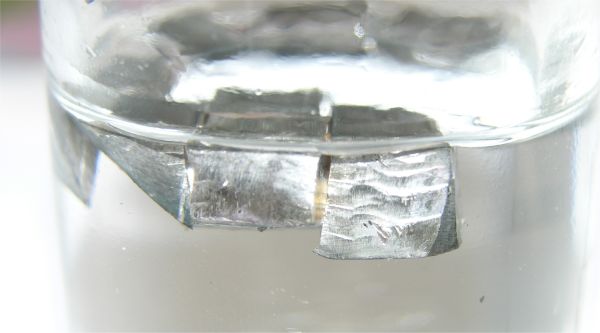 Over the eight weeks of treatment there were definite differences in the levels of gene expression between those who responded to lithium (measured using the Hamilton Depression Rating Scale) and those who failed to respond. Dr Robert Beech who led this study explained, “We found 127 genes that had different patterns of activity (turned up or down) and the most affected cellular signalling pathway was that controlled programmed cell death (apoptosis).”
For people who responded to lithium the genes which protect against apoptosis, including Bcl2 and IRS2, were up regulated, while those which promote apoptosis were down regulated, including BAD and BAK1.
The protein coded by BAK1 can open an anion channel in mitochondrial walls which leads to leakage of mitochondrial contents and activation of cell death pathways. Damage similar to this has been seen within the prefrontal cortex of the brain of patients with bipolar disorder. BAD protein is thought to promote BAK1 activity, while Bcl2 binds to BAK1 and prevents its ability to bind to the channel.
Dr Beech continued, “This positive swing in regulation of apoptosis for lithium responders was measurable as early as four weeks after the start of treatment, while in non-responders there was a measureable shift in the opposite direction. It seems then, that increased expression of BCL2 and related genes is necessary for the therapeutic effects of lithium. Understanding these differences in genes expression may lead towards personalized treatment for bipolar disorder in the future.”
ScienceBlog.com has no paywalls, no sponsored content, and no agenda beyond getting the science right. Every story here is written to inform, not to impress an advertiser or push a point of view.
Good science journalism takes time — reading the papers, checking the claims, finding researchers who can put findings in context. We do that work because we think it matters.
If you find this site useful, consider supporting it with a donation. Even a few dollars a month helps keep the coverage independent and free for everyone.