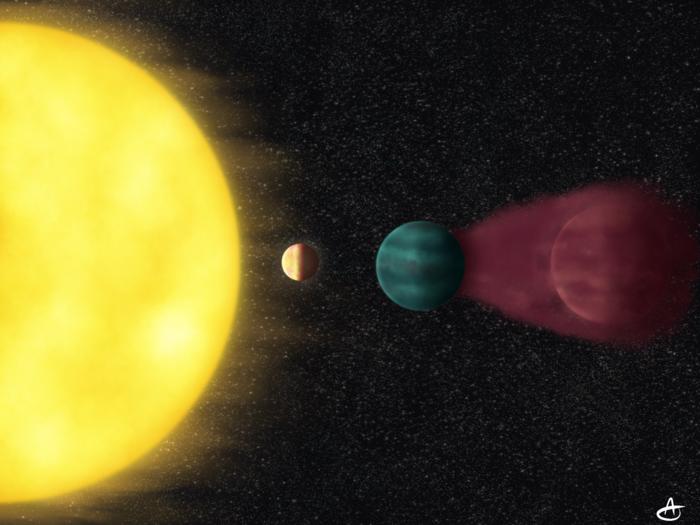
Cosmic Reflections
Researchers have discovered a young Earth-sized planet orbiting a Sun-like star, ideal for studying planetary evolution.
"this is sixth form poetry, not Keats or Yeats"
Researchers have discovered a young Earth-sized planet orbiting a Sun-like star, ideal for studying planetary evolution.
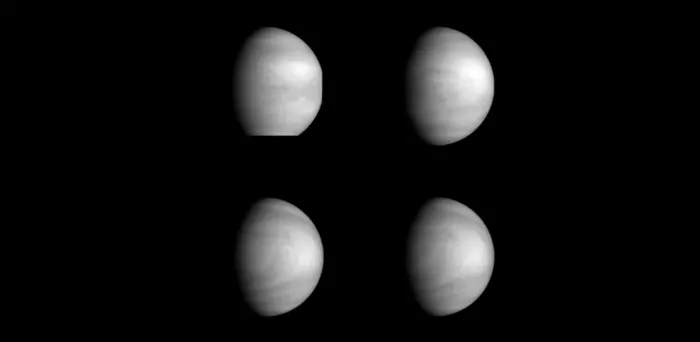
Venus’s clouds, rich in sulphuric acid and iron minerals, significantly influence its atmosphere and weather patterns.
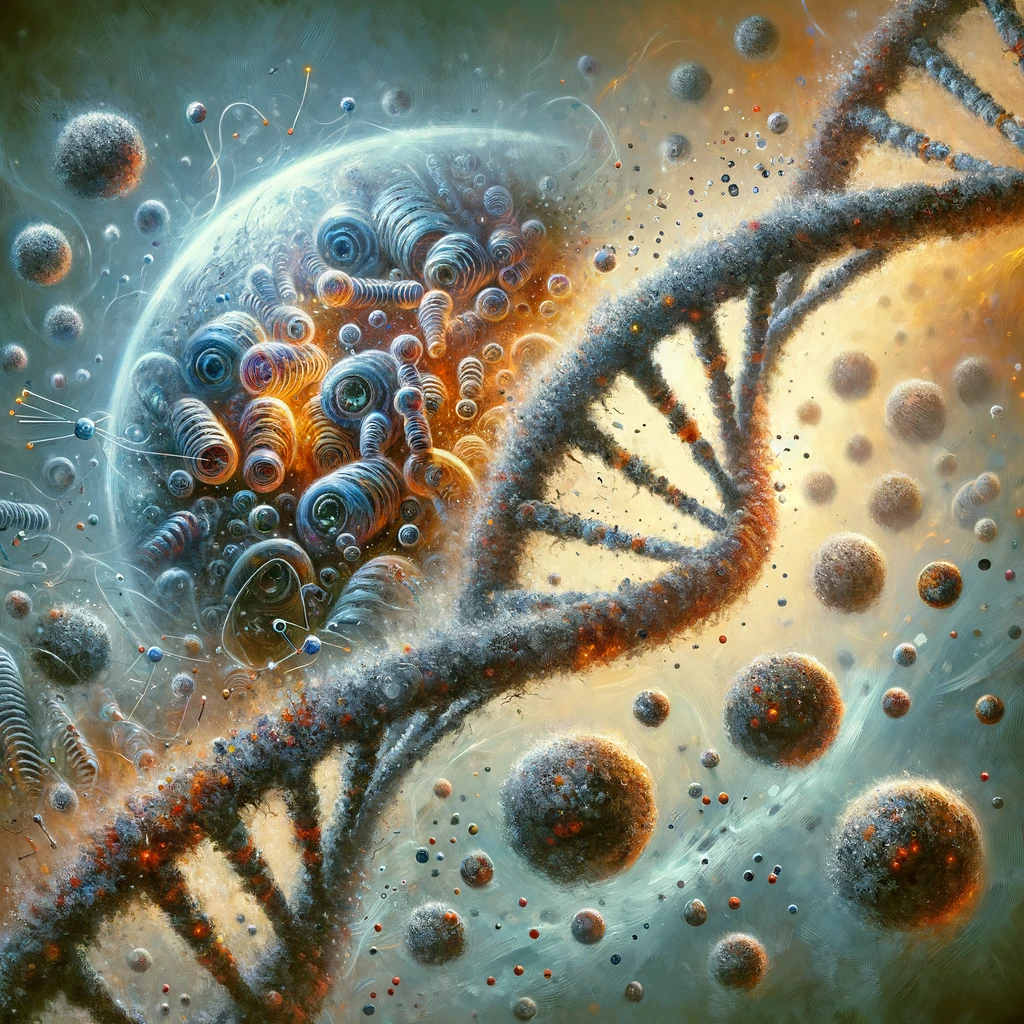
The composition of tiny airborne particles, called particulate matter, causes various changes in lung cells, impacting both their behaviour at a molecular level and their appearance.
Research on Africa from 1992-2013 shows droughts influence human migration towards water sources or cities, driven by environmental, political, and socio-economic factors.
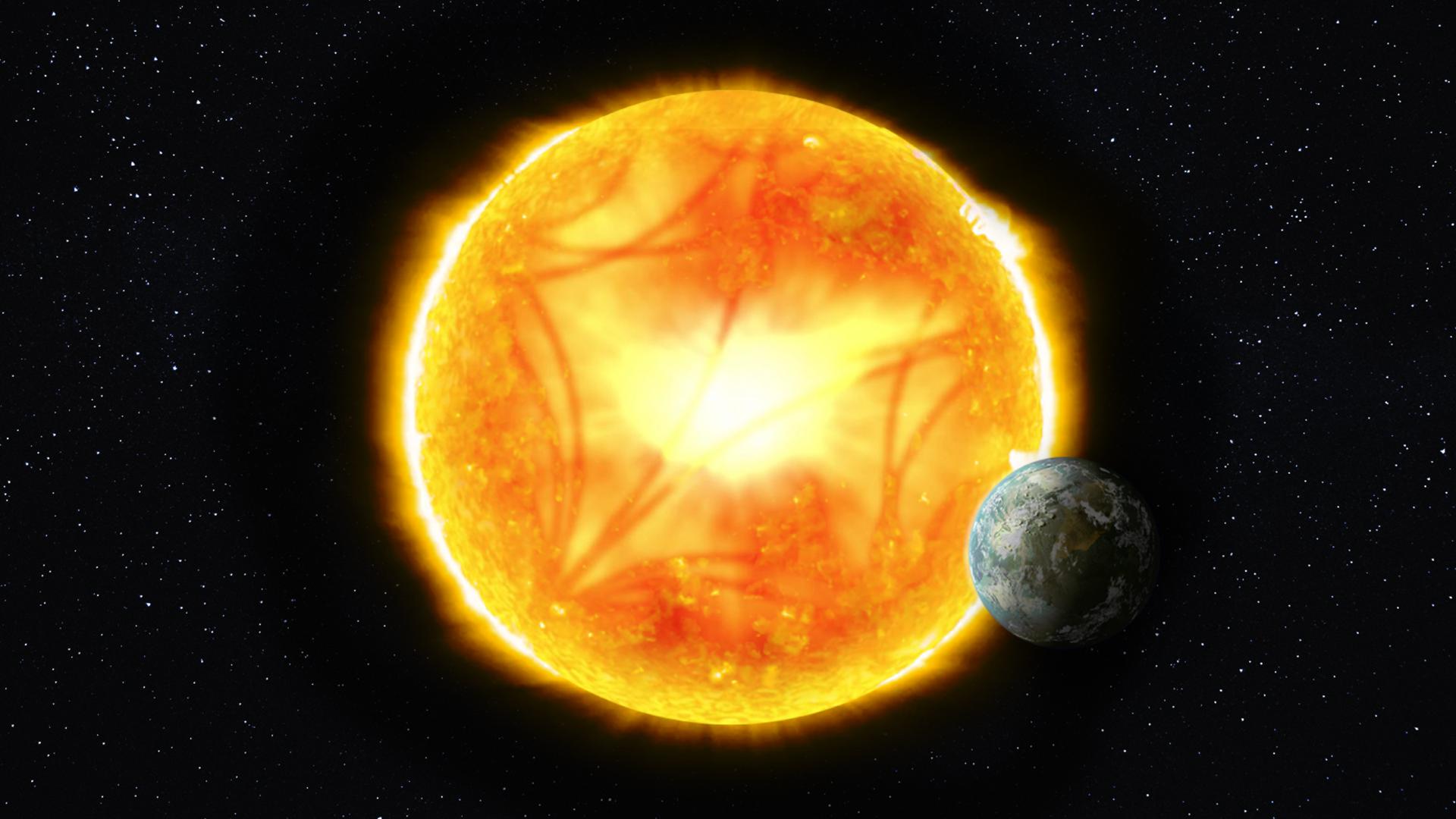
Astronomers have used asteroseismology, the analysis of star vibrations, to precisely determine the distances of stars from Earth.

Humans, having made a significant impact on Earth, now mark the Moon, potentially starting a new era, the ‘Lunar Anthropocene’.
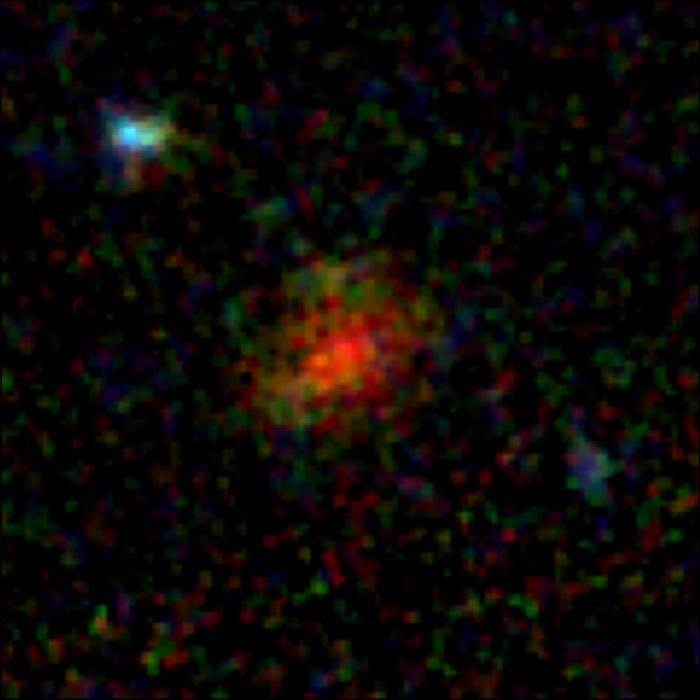
Discoveries of distant infrared galaxies challenge our understanding of the universe’s formation and evolution.

Particulate matter pollution from coal power plants, has resulted in approximately 460,000 deaths in the United States over the past two decades.

Bees cannot detect common lethal pesticides in nectar, risking inadvertent consumption and population decline.
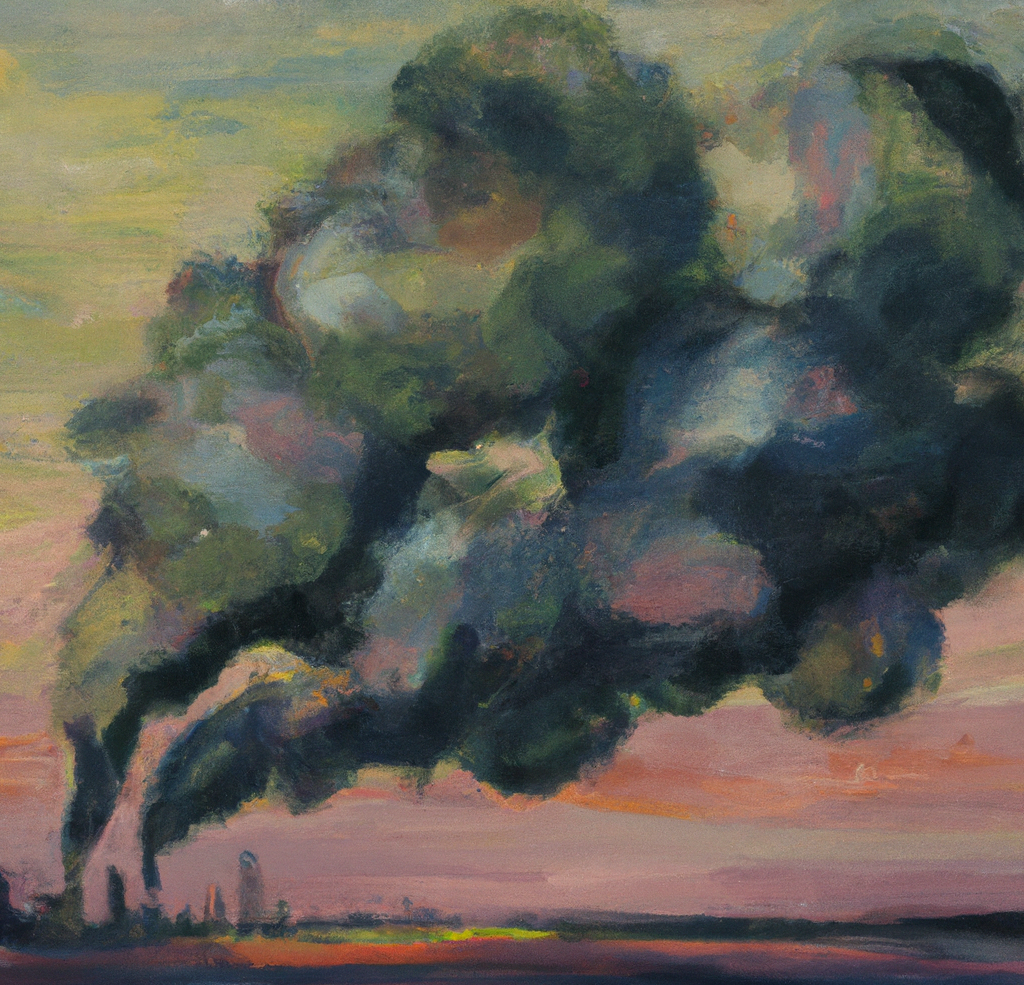
Increased carbon emissions are acidifying oceans, weakening the shells of plankton and marine life, threatening ecosystems.