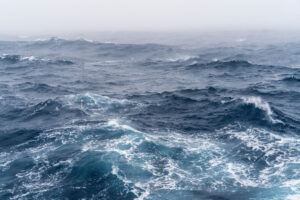
Ocean Colour Change
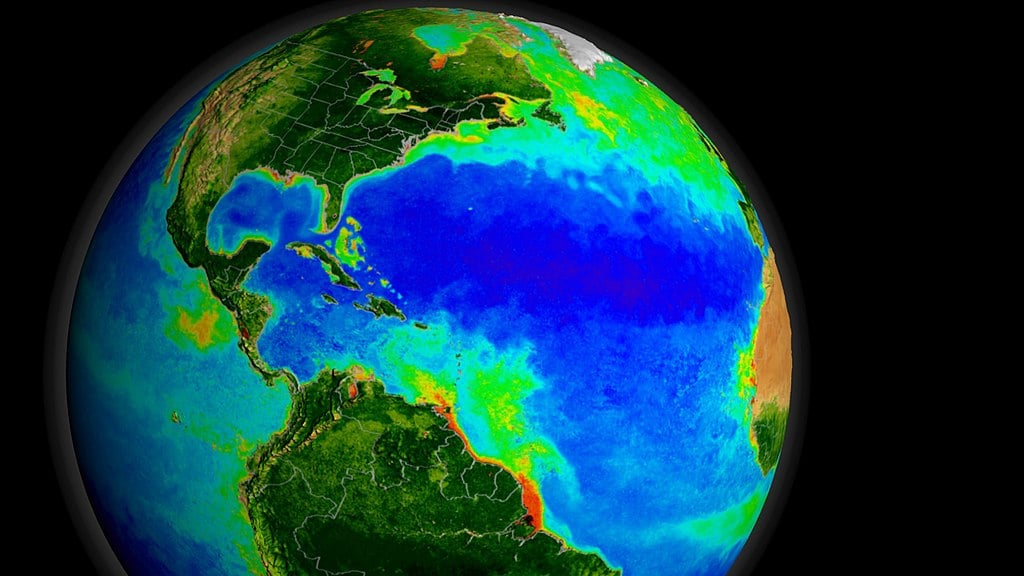
Warming oceans are shifting plankton distributions, making polar waters greener and subtropical regions bluer.
"this is sixth form poetry, not Keats or Yeats"
Warming oceans are shifting plankton distributions, making polar waters greener and subtropical regions bluer.

Ocean temperatures in 2024 reached record highs, signalling escalating global warming, with severe consequences for weather, ecosystems, and vulnerable communities.
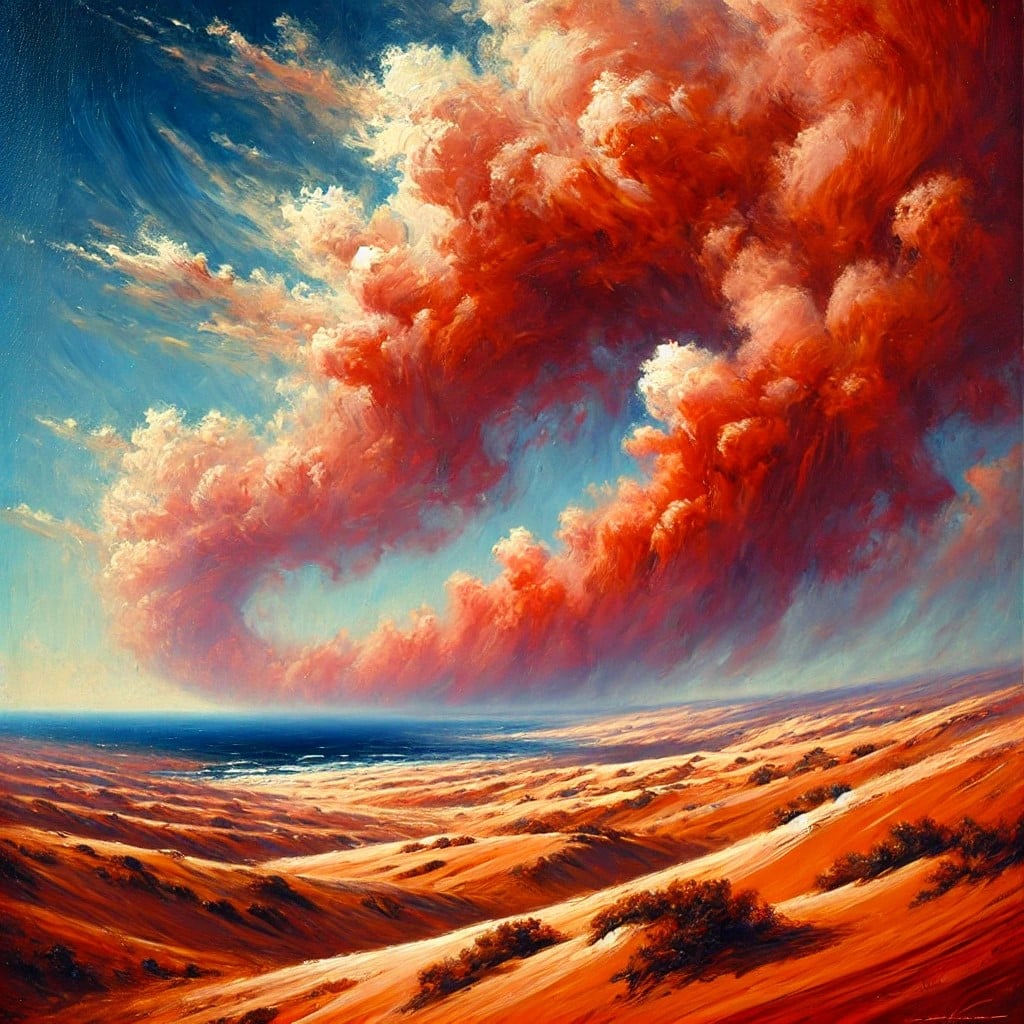
Wind-blown iron dust helps oceans absorb carbon and support life. Its availability changes with distance, affecting climate predictions.
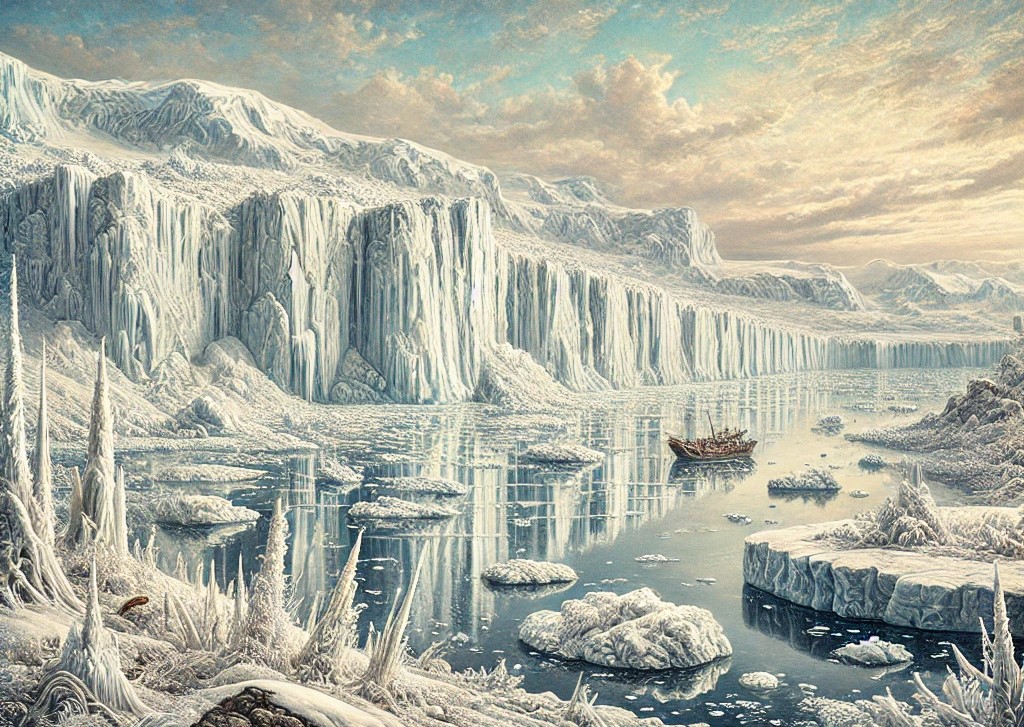
Predicting sea level rise is complex due to Antarctic Ice Sheet behaviour and Earth’s uneven structure. New models show land shape affects ice melt rates, improving accuracy.
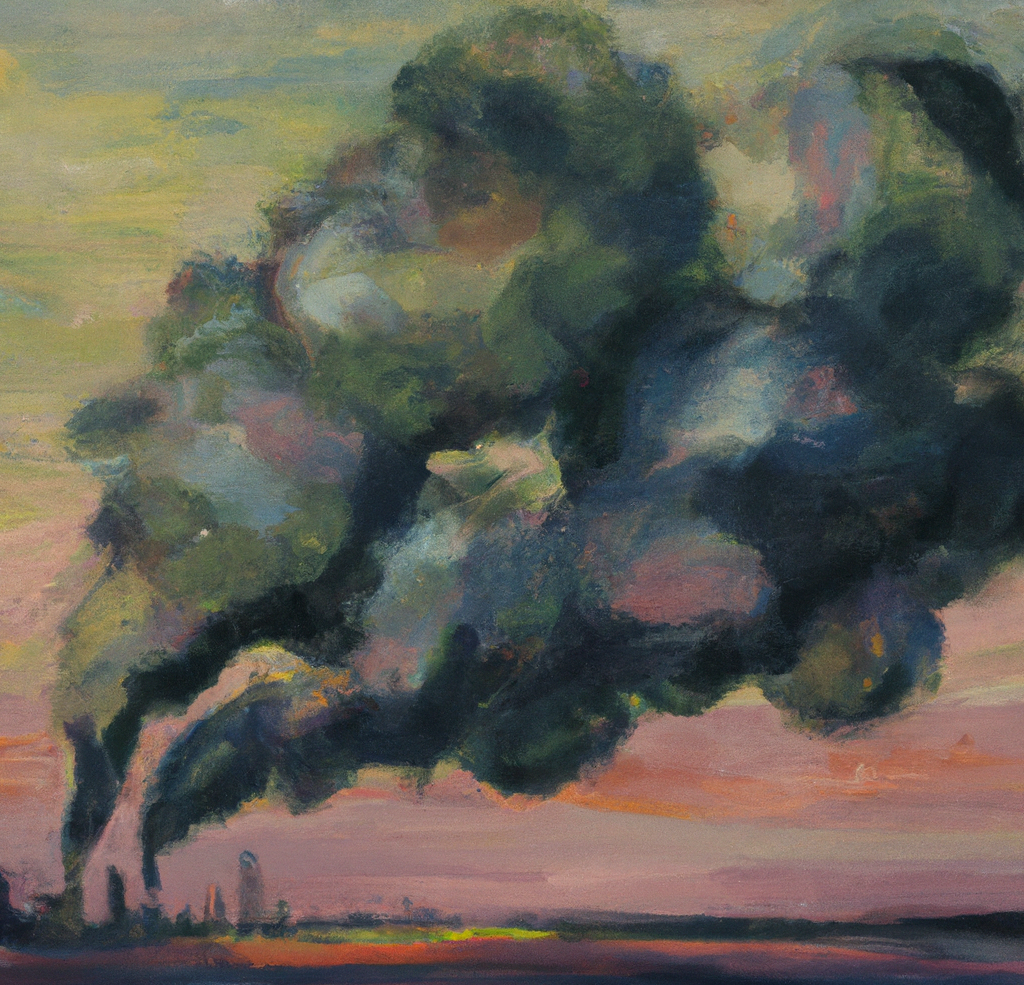
Increased carbon emissions are acidifying oceans, weakening the shells of plankton and marine life, threatening ecosystems.
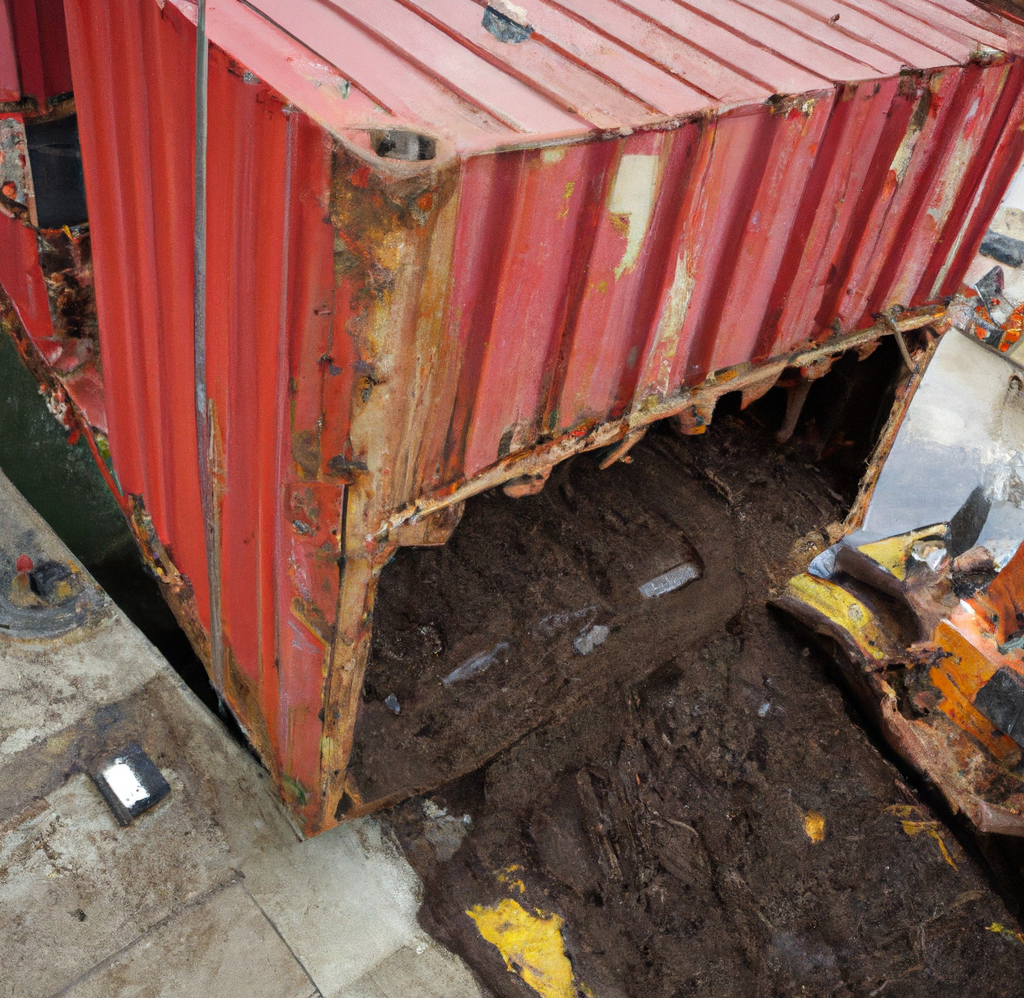
Overseas shipping containers may introduce harmful organisms to local environments, potentially causing huge risks to biosecurity protection.
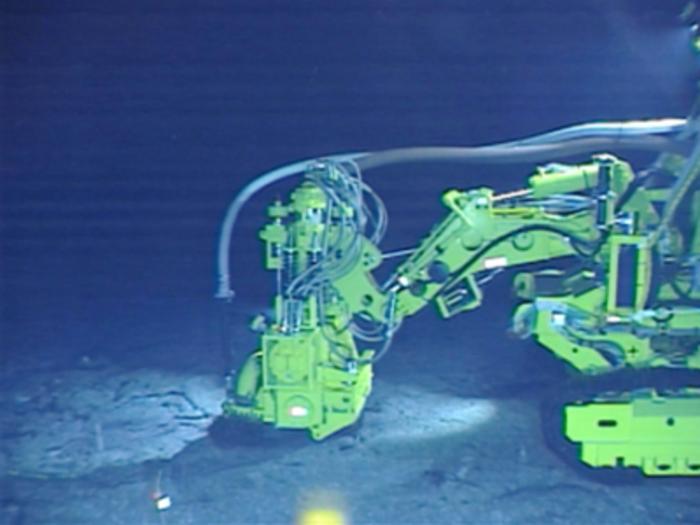
Deep-sea mining tests reveal that such activities can have broader and more significant impacts on marine life than previously assumed.
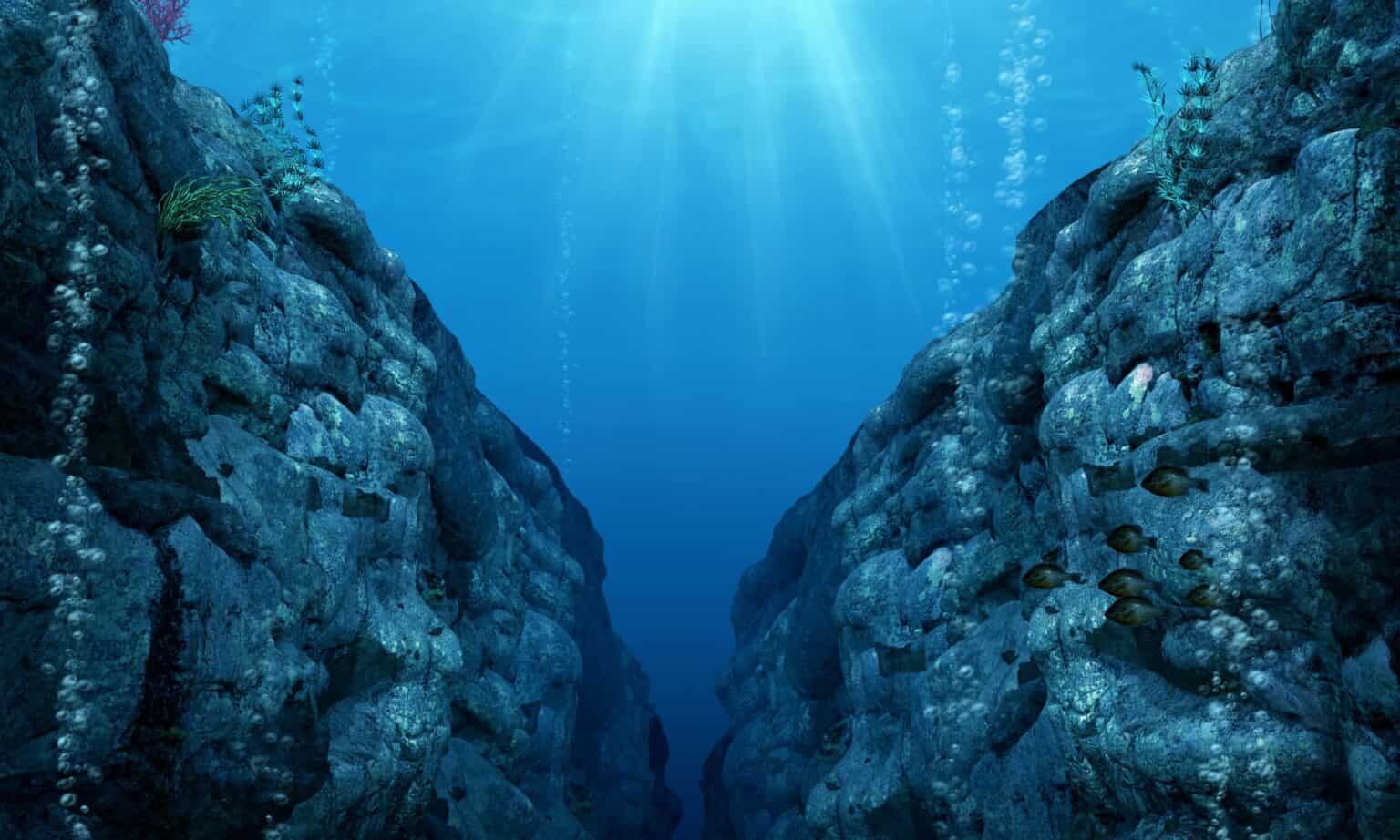
Up to one a half million tonnes of carbon, soot, and other particles from combustion end up in deep-sea trenches every year.
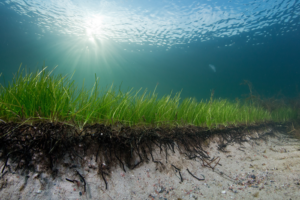
Seagrass can reduce cliff erosion by up to 70% thanks to its root mats binding the sand.