
Chromatic Change
Scientists studied over 9,000 bird species to find out why there are so many colourful birds in the tropics and how these colours have spread over time.
"this is sixth form poetry, not Keats or Yeats"
Scientists studied over 9,000 bird species to find out why there are so many colourful birds in the tropics and how these colours have spread over time.

Spending time in nature has been shown to significantly improve social, mental, and physical health in adults, suggesting it is an effective, accessible form of mental health support.
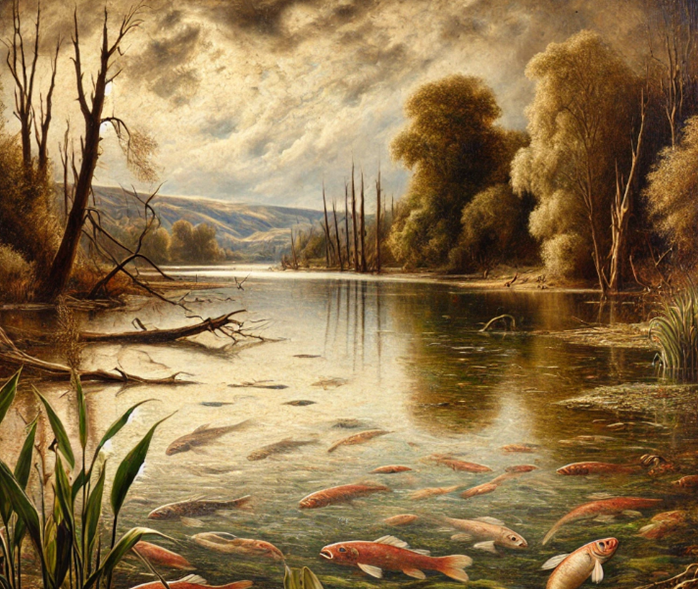
Rising lake temperatures from climate change will disrupt aquatic life, especially in warmer regions, causing significant habitat shifts.

Painting roofs white significantly reduce urban temperatures, offering effective heat mitigation in large cities.

Seismic signals indicate that Mars is struck by approximately 300 basketball-sized meteorites each year, providing a novel method for dating planetary surfaces.

Magnetic processes drive galactic winds, suggesting galaxies control their growth similarly to star formation, offering new insights into galaxy evolution.

Restoring island habitats by eradicating invasive rats and reintroducing native plants can boost seabird populations, enhancing nutrient cycles and ecosystem health.

The LaMYC7 gene in lavender has been found to be crucial for producing the calming linalool and anti-inflammatory caryophyllene compounds in the plant.
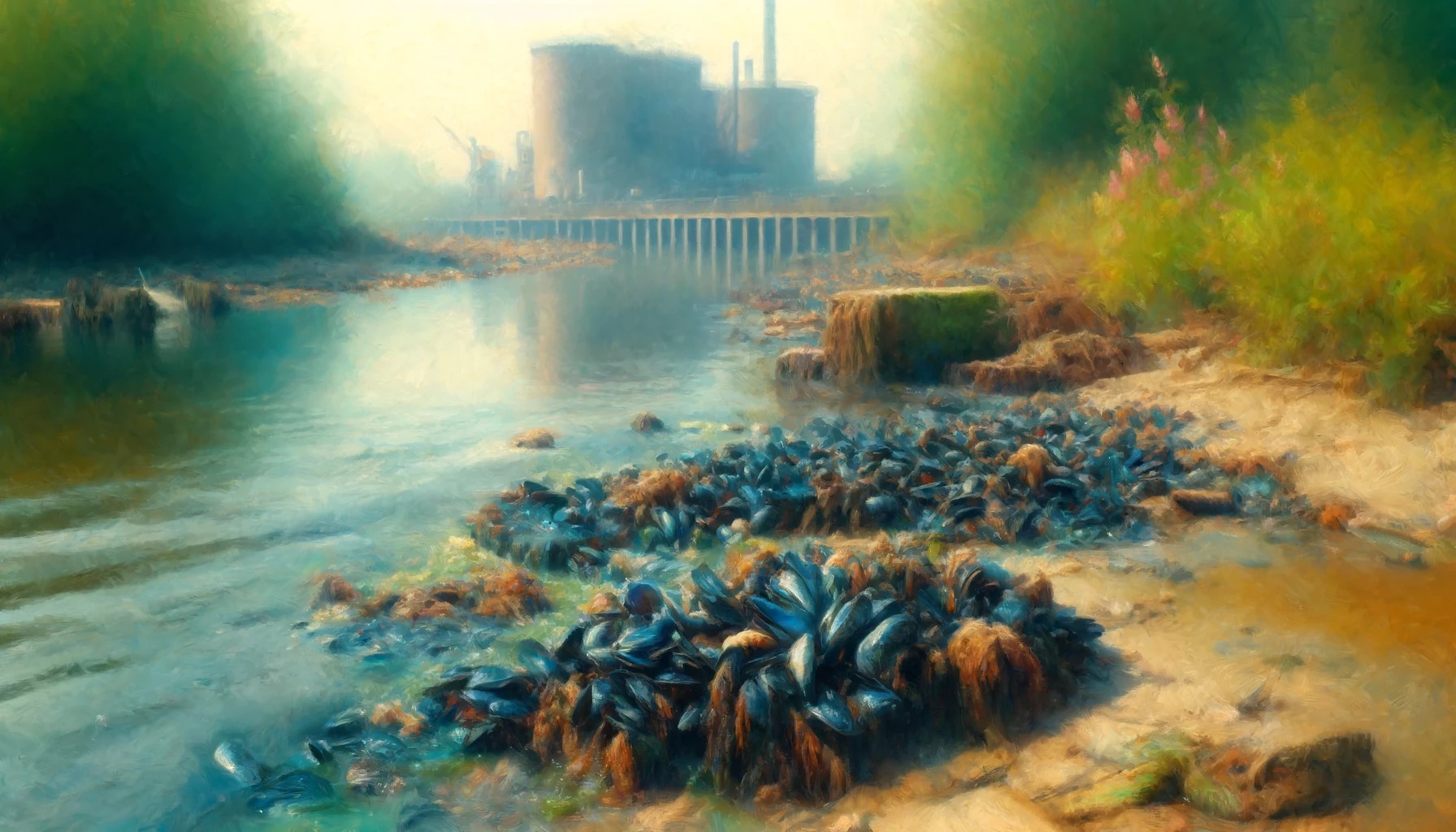
Radium from oil wastewater contaminates rivers and freshwater mussels, highlighting the need for stricter environmental controls.

The TESS-Keck Survey has identified 15 new exoplanets and measured the masses of 126, providing crucial insights into their compositions and advancing our understanding of planetary systems