Shadows in the Sea
Marine heatwaves impact Arctic phytoplankton, crucial to ecosystems, with stable warming boosting productivity, but varied responses highlight the need to consider both warming and cooling phases for accurate predictions.
"this is sixth form poetry, not Keats or Yeats"
Marine heatwaves impact Arctic phytoplankton, crucial to ecosystems, with stable warming boosting productivity, but varied responses highlight the need to consider both warming and cooling phases for accurate predictions.
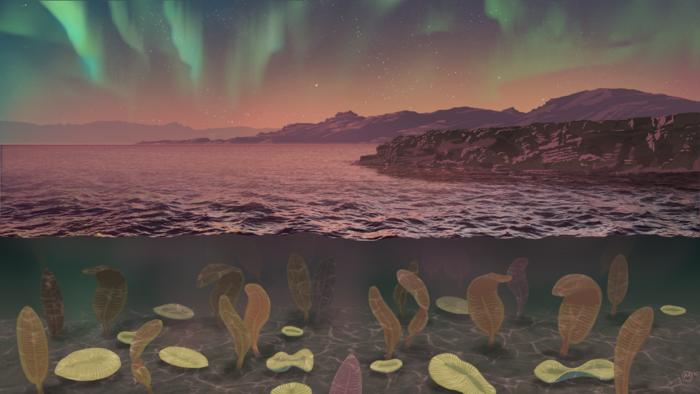
Research reveals Earth’s magnetic field was 30 times weaker 600 million years ago, possibly influencing the rise of complex life by affecting atmospheric oxygen levels.

Researchers in Italy find that old farming methods, especially women’s work like clearing leaves, help prevent wildfires, underscoring the value of these time-honoured techniques in protecting the land.
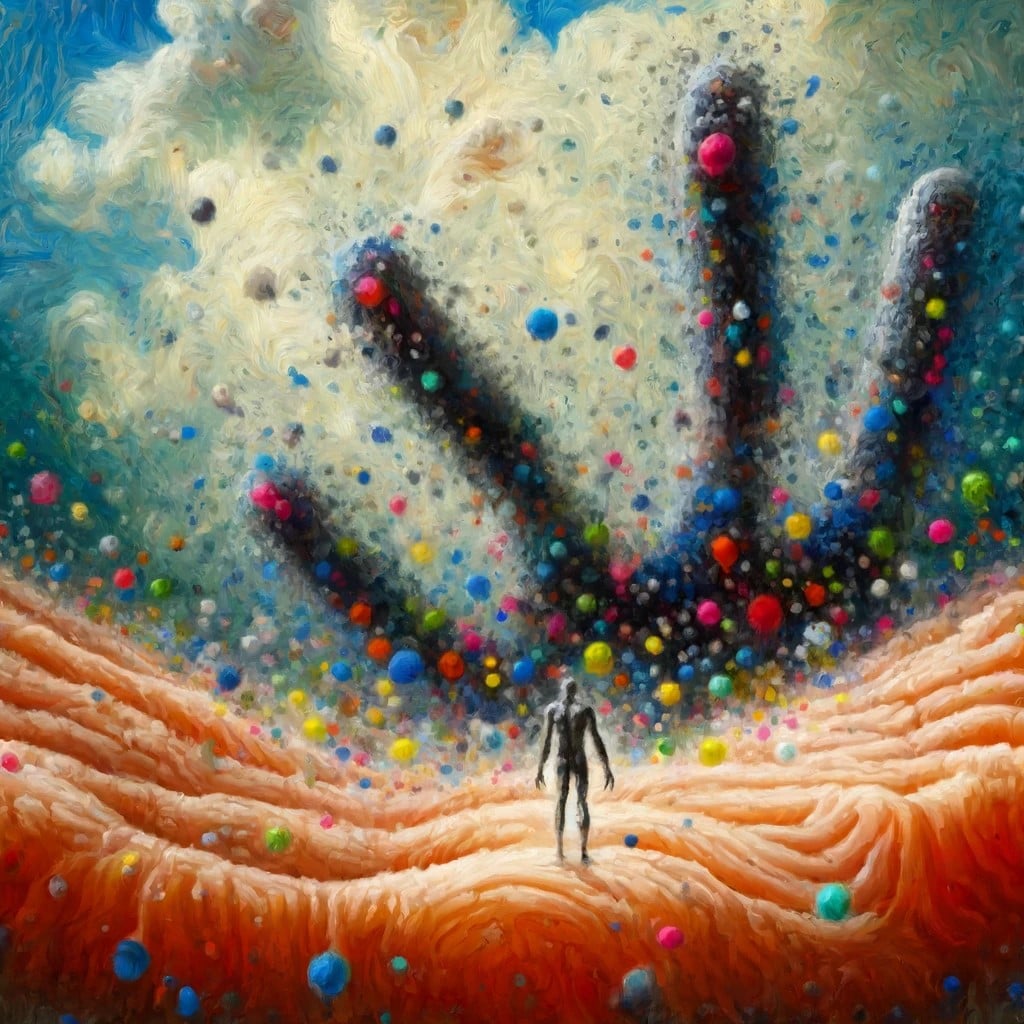
Microplastics have been found to carry toxins that can penetrate our skin and enter our bloodstream, a concerning route of exposure impacting health.

Soda lakes, vital for diverse species like the Lesser Flamingo, face threats from rising water levels and declining phytoplankton, stressing the need for improved management and monitoring in East Africa.

A 2013-2021 study on 6,000 species of birds revealed only 22% thrive in urban areas, underscoring the urgent need for targeted conservation strategies.

Drinking water has been shown to contain hidden, persistent chemicals called 2,6-DHNPs, posing severe health risks even at low levels.
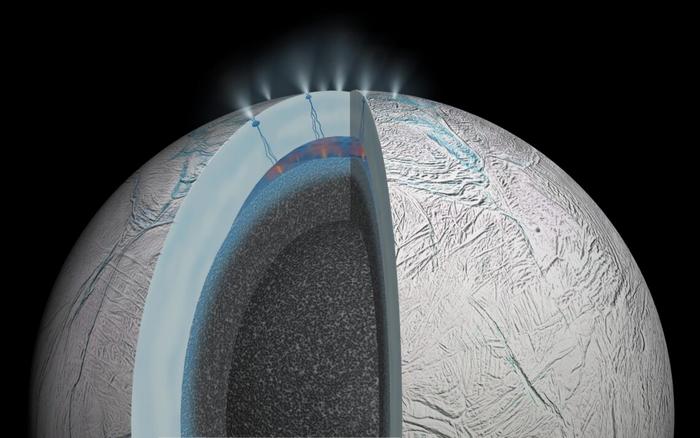
Recent research advances our understanding of icy moons like Enceladus and Europa, revealing potential for detecting extraterrestrial life through the analysis of ejected ice grains containing organic material.

Using 45 Meyer’s spruce samples, researchers in North China traced a 281-year temperature record, highlighting blue light reflection’s crucial role in unveiling climate changes and linking global patterns.