Sticky tape and simulations help assess microplastic risk
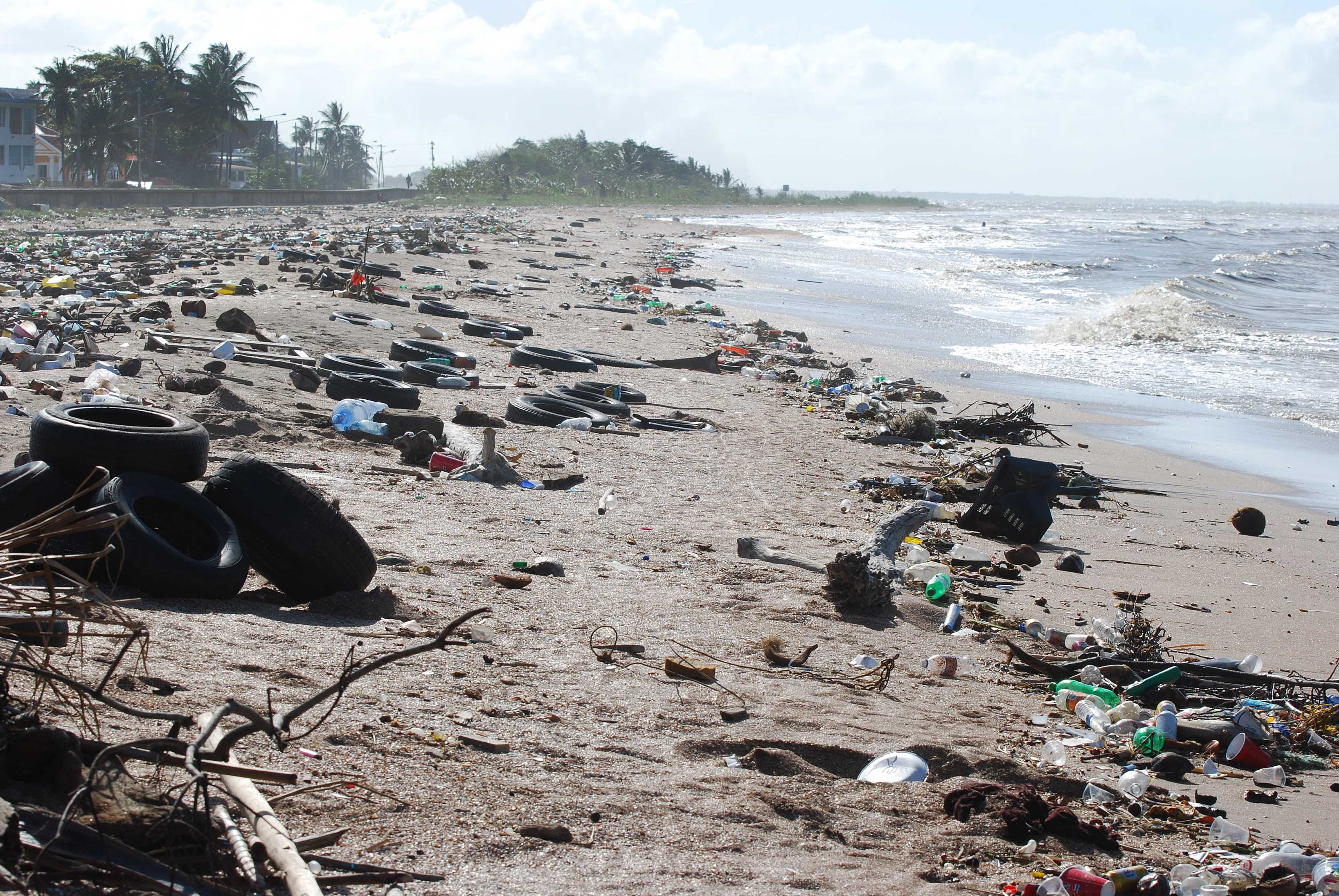
Microplastics are considered the most common form of marine litter.

by Natalie Grover Tiny pieces of plastic, now ubiquitous in the marine environment, have long been a cause of concern for their ability to absorb toxic substances and potentially penetrate the food chain. Now scientists are beginning to understand the level of threat posed to life, by gauging the extent of marine accumulation and tracking … Read more
Electric ferries and joined-up shipping to turn sea travel green

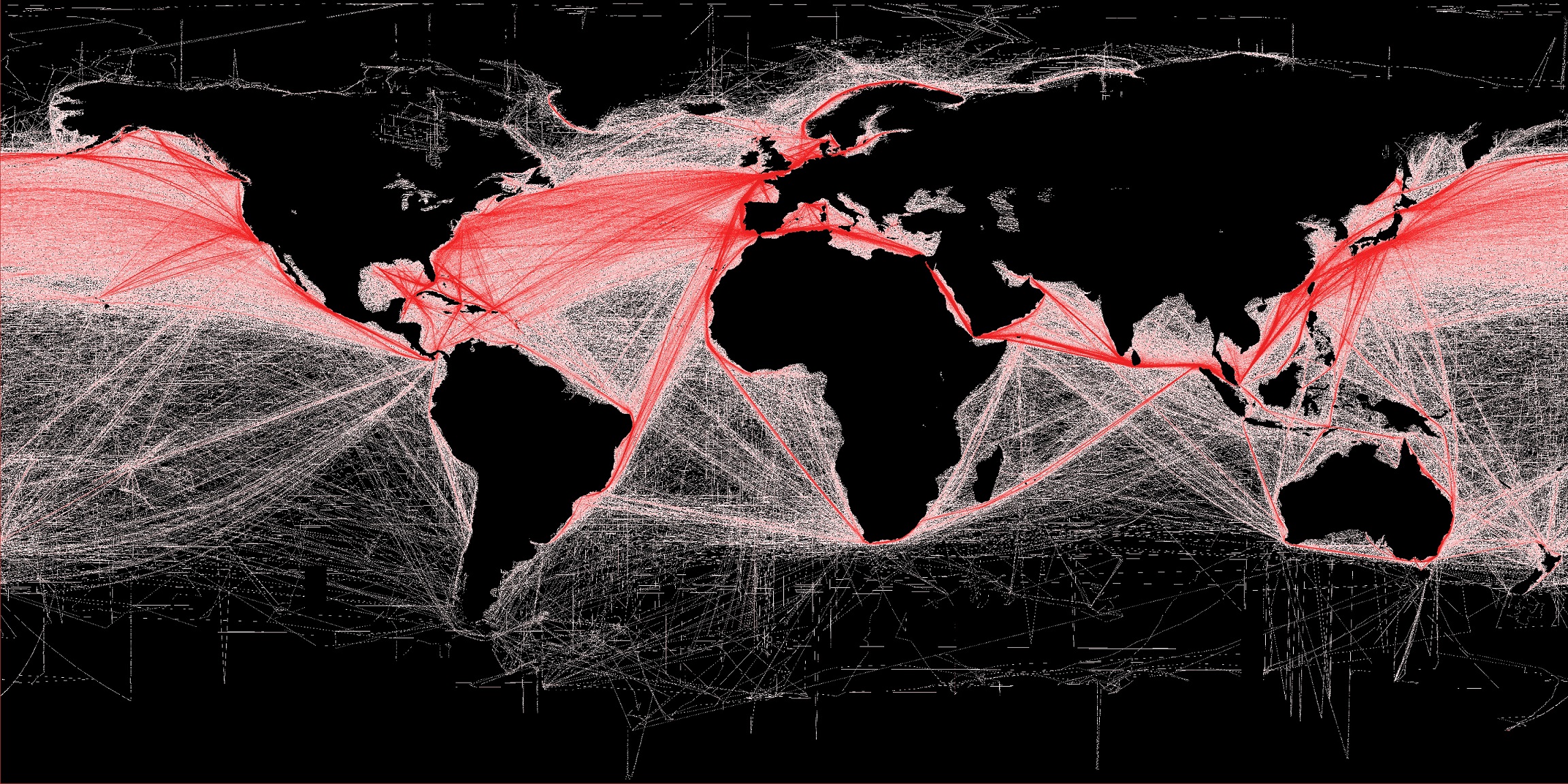
Digital communication between ships could help optimise shipping routes and reduce fuel consumption.

Electric ferries and digital communication between ships could help in the quest to decarbonise maritime transport, a sector which is often perceived as being the green option but could still do much to lower its environmental footprint. The global shipping industry currently emits around 1000 million tonnes of CO2 into the atmosphere each year, but according to … Read more

Fleets of compact e-vehicles could help battle air pollution

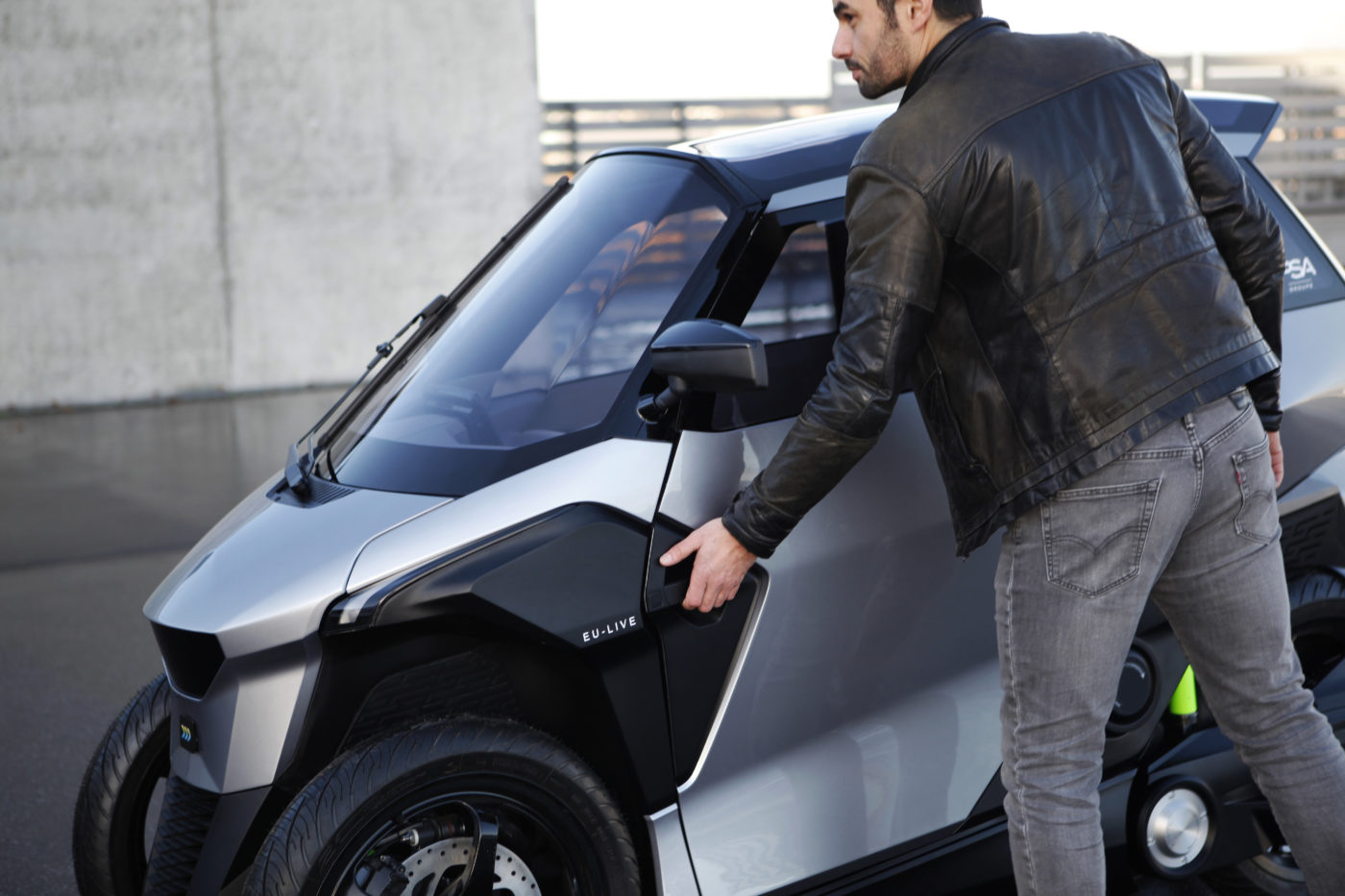
Quiet, narrow and low-emission electric vehicles could be used in conjunction with public transport in cities to ease congestion and pollution.

by Gareth Willmer Lightweight electric mini-cars could soon be a common sight on the streets of Europe’s cities thanks to longer-lasting batteries, tilting and stackable design, and modular components to bring down the cost of mass production. It’s part of a push towards environmentally friendly transport options in a bid to reduce greenhouse gas emissions … Read more

Lab-grown tissues to improve reliability of safety tests for drugs, chemicals

This human liver organoid gives researchers hope that animal-based studies about drug safety will be a method of the past one day.

by Natalie Grover Testing the safety of medicines and chemicals on organ-like structures developed from various types of stem cells could reduce the reliance on animal testing and streamline chemical and drug development, according to scientists in the Netherlands who are in the early stages of developing such technology.  Tissues such as the intestine and … Read more

Genetic profiling could improve IVF success

There are three sources of variability in fertility - genetics, the family environment and the individual environment.

by Frieda Klotz Genetic profiling could help determine whether an embryo created through in-vitro fertilisation (IVF) is likely to successfully transfer to the womb, increasing the success rate of the procedure. It’s part of a field of work looking at the role of genetics in fertility. ‘Understanding why some people do not have children, and … Read more

Light pollution is altering plant and animal behaviour

Light pollution can be problematic for animals like the Cory's shearwater.

by Gareth Willmer You could call it fatal attraction. Drawn by artificial lights in our brightening night-time world, animals find their lives in peril. Fledgling birds disorientated by lights can collide with human structures on the ground and then get hit by cars, or become more vulnerable to predation, starvation or dehydration. Or newly hatched … Read more