Ultrafine pollution particles create air of menace

As many as 6.5 million premature deaths every year are attributed to air pollution, according to the World Health Organization.

An air quality study has for the first time detected nano-sized particles of air pollution in children’s urine. With a diameter of just 100 nanometers – a thousandth of the width of a human hair – these ultrafine particles are the smallest particles found in air pollution and have been linked to heart disease and respiratory conditions … Read more
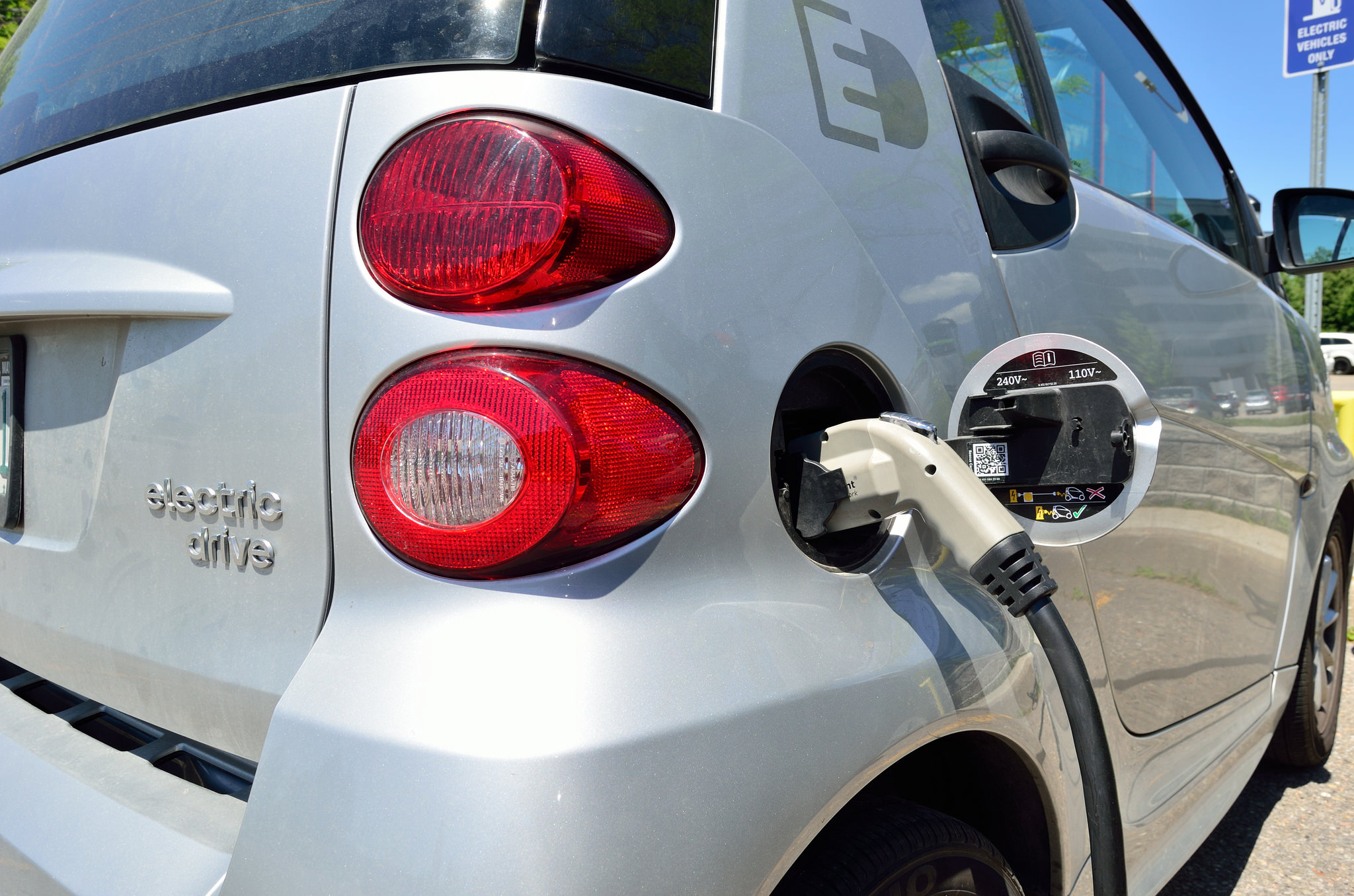
EU puts its ‘foot on the accelerator’ of battery research

The transport sector accounts for 14% of global greenhouse gas emissions.

The European Union is scaling up its investment in battery technology with the announcement of a €10 million open competition to design a better battery for electric vehicles and a €50 million cash injection to develop Europe’s largest green battery factory. Batteries will play a vital role in helping to achieve the EU’s goal of … Read more

Urban mining to reduce environmental footprint of consumer goods

A machine that can disassemble two mobile phones per minute could help give raw materials a second life.

Mining isn’t the only way to extract valuable metals. Soon, they could increasingly be recovered from waste, reducing the need for new raw materials and helping Europe’s transition to a low-carbon economy. In the EU, many raw materials needed in industry, from car making to medical implants, are imported from abroad as they aren’t available … Read more

Raising ocean literacy levels could protect marine environment

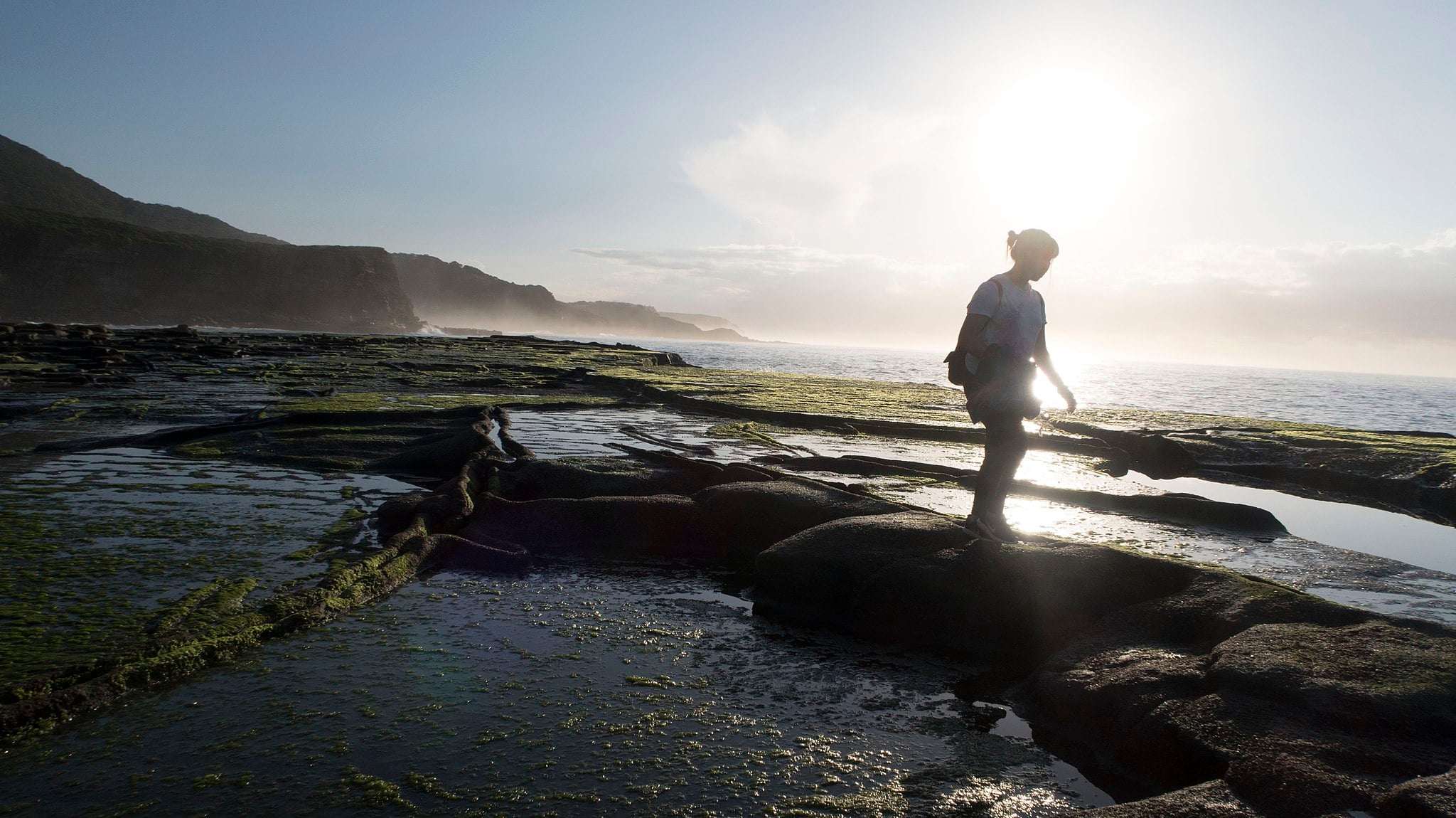
Getting people involved in local community projects can help them engage with how the oceans are changing.

Hundreds of kilometres away from any sea, ocean or sandy beach, students from countries such as the Czech Republic have been discovering their connection with the marine world. While Europe’s landlocked states are understandably not so preoccupied with seas and oceans, camps run by members of Ecsite — the European network of science centres and museums — … Read more

Cultural cross-fertilisation to rescue soils

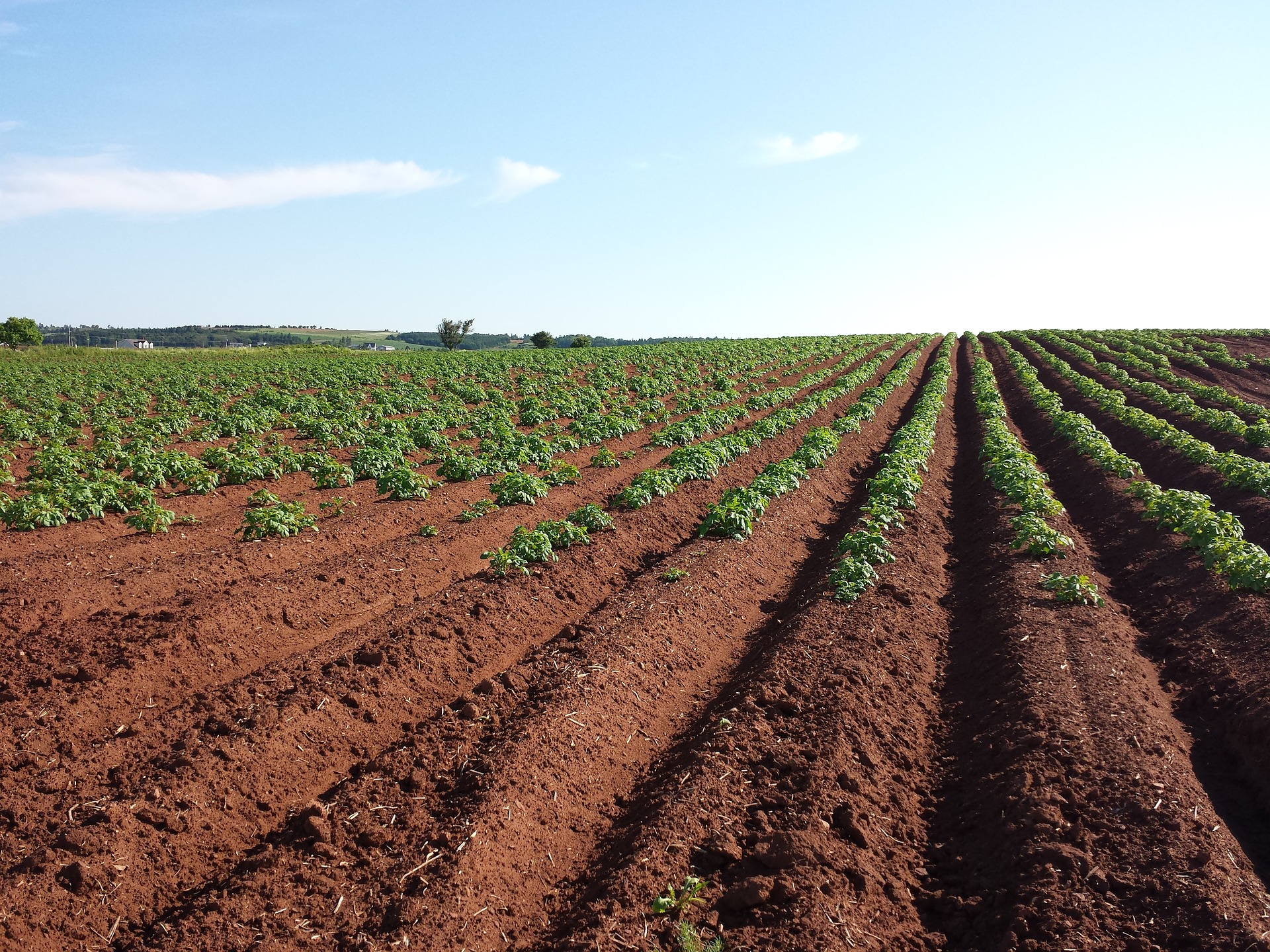
As more food than ever is being grown, it is important to find ways to promote and maintain soil quality.

Sharing best practice farming techniques with farmers from different cultures and traditions could help increase the quality of our soils – a vital step in ensuring that we can grow enough food for people in the coming decades. At Wageningen University in the Netherlands, scientists are coding an app that will allow farmers in countries … Read more

Oil-loving microbes could gobble up slicks and spills

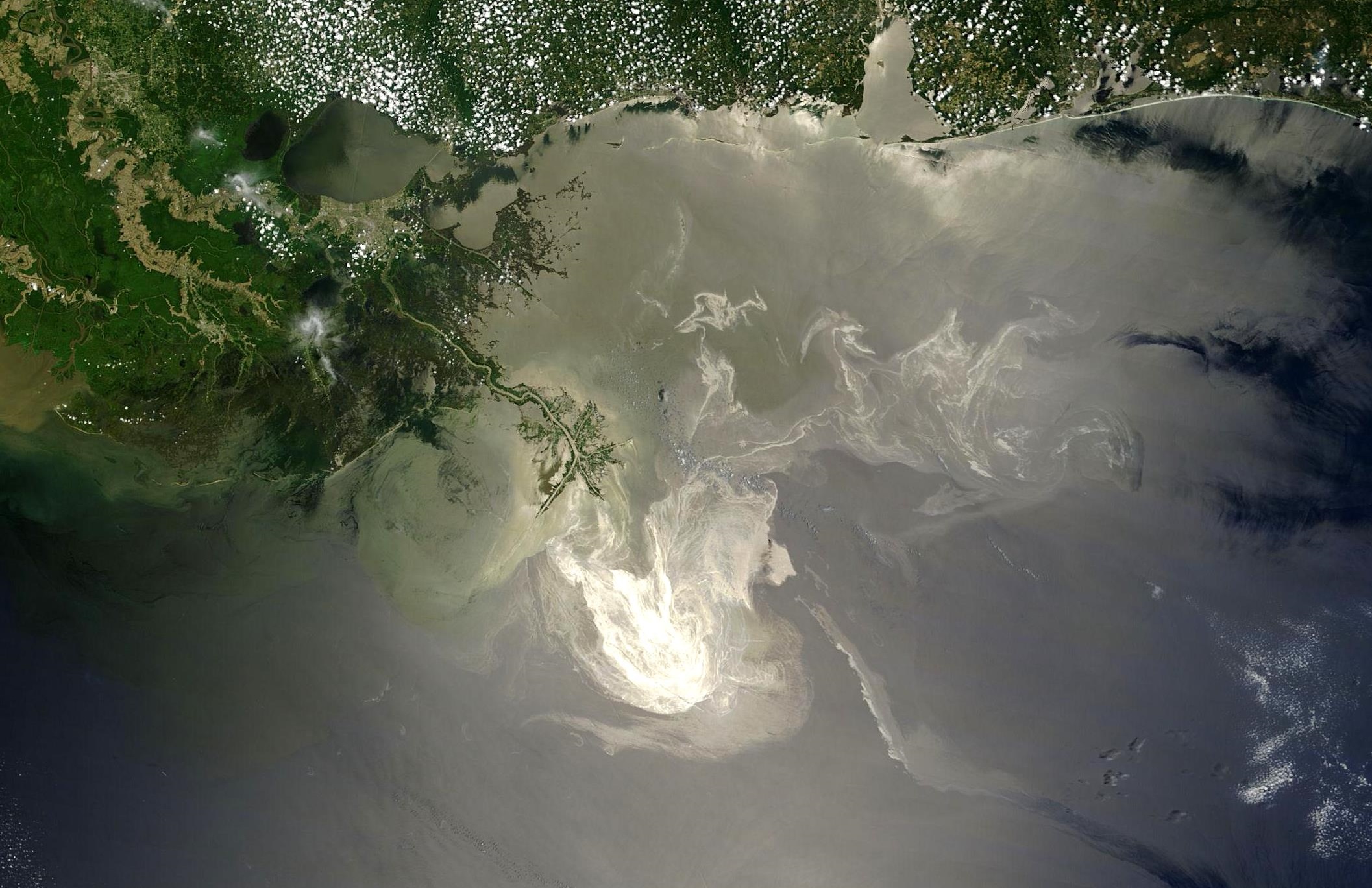
The lingering oil slick from DeepWater Horizon was imaged off the Mississippi Delta on May 24, 2010.

Spills of crude oil that devastate huge areas of the oceanic environment could be cleaned up by naturally occurring microorganisms. It’s one application of new research into how bacteria break down oil, which could also help oil companies assess the quality of new reserves. In 2010, the Deepwater Horizon oil spill released around 5 million … Read more