Gravitational waves helping to expose black holes, dark matter and theoretical particles
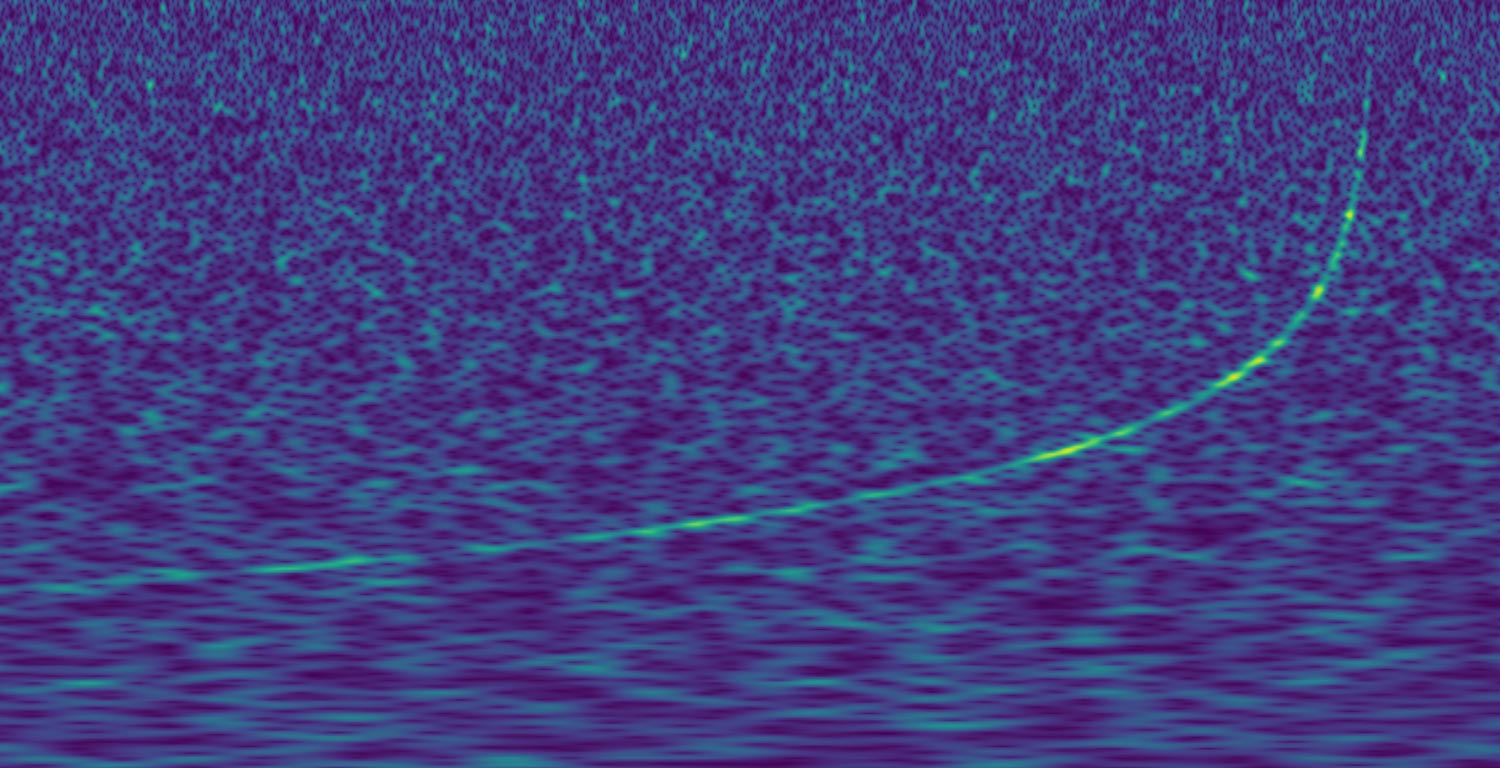
Image Credit - LSC/Alex Nitz

Gravitational waves – the invisible ripples in the fabric of space predicted by Albert Einstein – are opening up a new era of astronomy that is allowing scientists to see parts of the universe once thought to be invisible, such as black holes, dark matter and theoretical subatomic particles called axions. Almost 100 years after … Read more

Fleets of autonomous satellites to coordinate tasks among themselves

Image credit - Earth Science and Remote Sensing Unit, NASA Johnson Space Center

Space missions have long benefited from some autonomous operations being carried out aboard spacecraft, but with a sharp increase expected in the number of satellites being launched in the next few years, researchers are using automation and artificial intelligence to make them smarter and more effective. Technology firms and researchers see scope for giving satellites … Read more

Greener fuels to propel rocket launches into space

Hydrazine, the most common rocket propellant, is on the EU’s list of substances of high concern.

by Ethan Bilby Turns out, green fuels are rocket science. Space exploration may have given us pictures of our pristine, blue planet Earth and raised awareness to protect our environment, but that’s no good if the rockets that get us to orbit are based on old, toxic propellants. For decades, the most common rocket propellant has … Read more

How to keep lunar samples safe

Image credit - LUVMI consortium

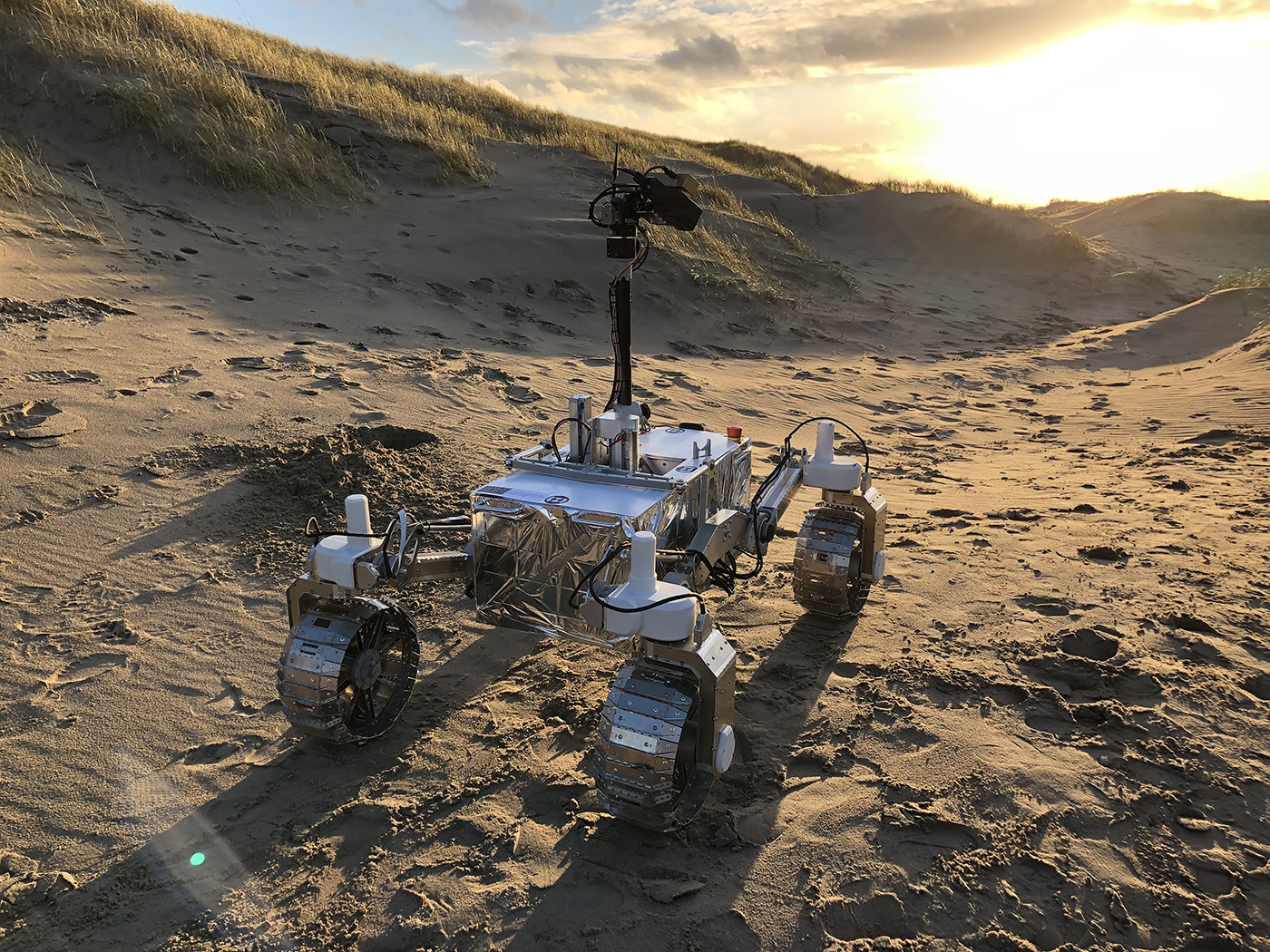
By Gareth Willmer A lunar rover that can analyse samples in situ and a Europe-wide facility to store extraterrestrial samples will help to protect moon samples from contamination and increase their usability in scientific experiments. In 1969, the Apollo 12 mission retrieved a camera that had been left on the moon by an earlier spacecraft. … Read more