
Europe is in danger of being out-innovated in regenerative medicine – Prof. Ton Rabelink
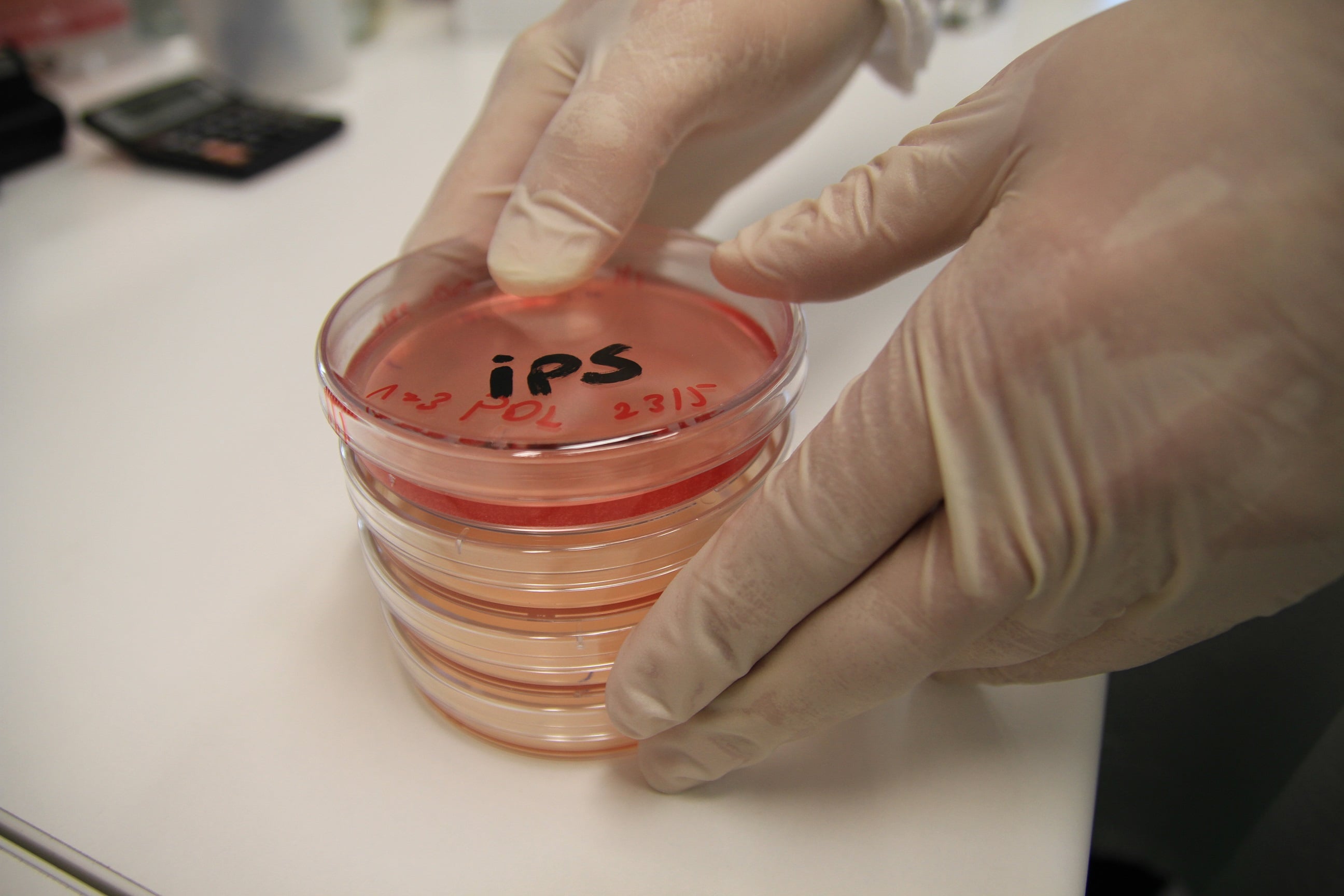
With the right environments, stem cells can potentially be reprogrammed to grow kidney tissue.

by Frieda Klotz Regenerative medicine should be governed, firstly, by the principle of do no harm, but a better balance between risk and regulation is required to bring innovations to market more quickly, according to Ton Rabelink, professor of internal medicine and head of nephrology at Leiden University in the Netherlands. He says that Europe is in … Read more
Decoding the honeybee dance could lead to healthier hives

Understanding the way bees and ants communicate might make it easier to protect them in the future.

Unravelling one of the most elaborate forms of non-human communication – the honeybee’s waggle dance – could help researchers better understand insect brains and make farming more environmentally friendly. It’s part of a field of work looking at insect neurology which is helping to unravel the complexity of their brains. Bees have evolved a unique, … Read more

Want to cure disease? Repurpose the body’s cells

Implanting stem cells from elsewhere in the body can help reverse organ damage.

If one part of the body breaks, can you just replace it with cells from another organ? That’s the hope of stem cell scientists who are reprogramming cells to treat major conditions such as incontinence and heart failure. Millions of Europeans are affected by stress urinary incontinence (SUI) which can have a devastating effect on … Read more

Noise pollution is one of the biggest health risks in city life

Traffic noise increases people's blood pressure which is related to heart attacks and strokes.

Noise is one of the biggest pollutants in modern cities but the risk is often overlooked despite being linked to an increased risk of early death, according to research conducted by scientists. ‘Noise produces a stimulus to the central nervous system and this stimulus releases some hormones,’ said Dr David Rojas from the Barcelona Institute … Read more

Healthy competition intensifies 30-year quest for HIV vaccine

If the research teams manage to reproduce a response that produces antibodies against all strains of HIV, they could create a universal vaccine.

by Frieda Klotz In 1984, after HIV was identified as the cause of AIDS, the US secretary of health, Margaret Heckler, declared a vaccine would be found within two years. Reports of a mysterious virus predominantly affecting gay men had been growing across the US and, with awareness rising, the World Health Organization had held … Read more