Age and foaming: how to predict when a volcano will erupt

Image credit - Jimmy McIntyre, licensed under CC BY-SA 2.0

The eruption of a volcano can have devastating consequences – killing people and destroying livelihoods, as well as releasing vast amounts of ash into the sky that disrupts air travel and alters the climate. Knowing what goes on underground, however, would facilitate better warnings for when an eruption will occur – and help save lives while … Read more

The internet is helping to revive minority languages

Image credit - CC0

Europe’s minority languages have been squeezed by nation-building, urbanisation and the ‘lingua francas’ of the internet, according to Professor Anneli Sarhimaa, specialist in Northern European and Baltic languages and cultures at the University of Mainz, Germany. But one lesson she has learned from researching the fate of the Finnic language Karelian, spoken in Finland and north-western Russia, … Read more

Intelligent prostheses and electric aircraft – what to look out for in 2019

by Jack Cowls A €30 carbon price in 100 countries, proof that gene editing can correct epilepsy, and the ability to pinpoint the location of fast radio bursts from space thanks to new telescopes are just some of the breakthroughs that European scientists told Horizon would make the biggest difference to their field in 2019. … Read more

Our top 10 science facts from 2018

Image credit - Horizon

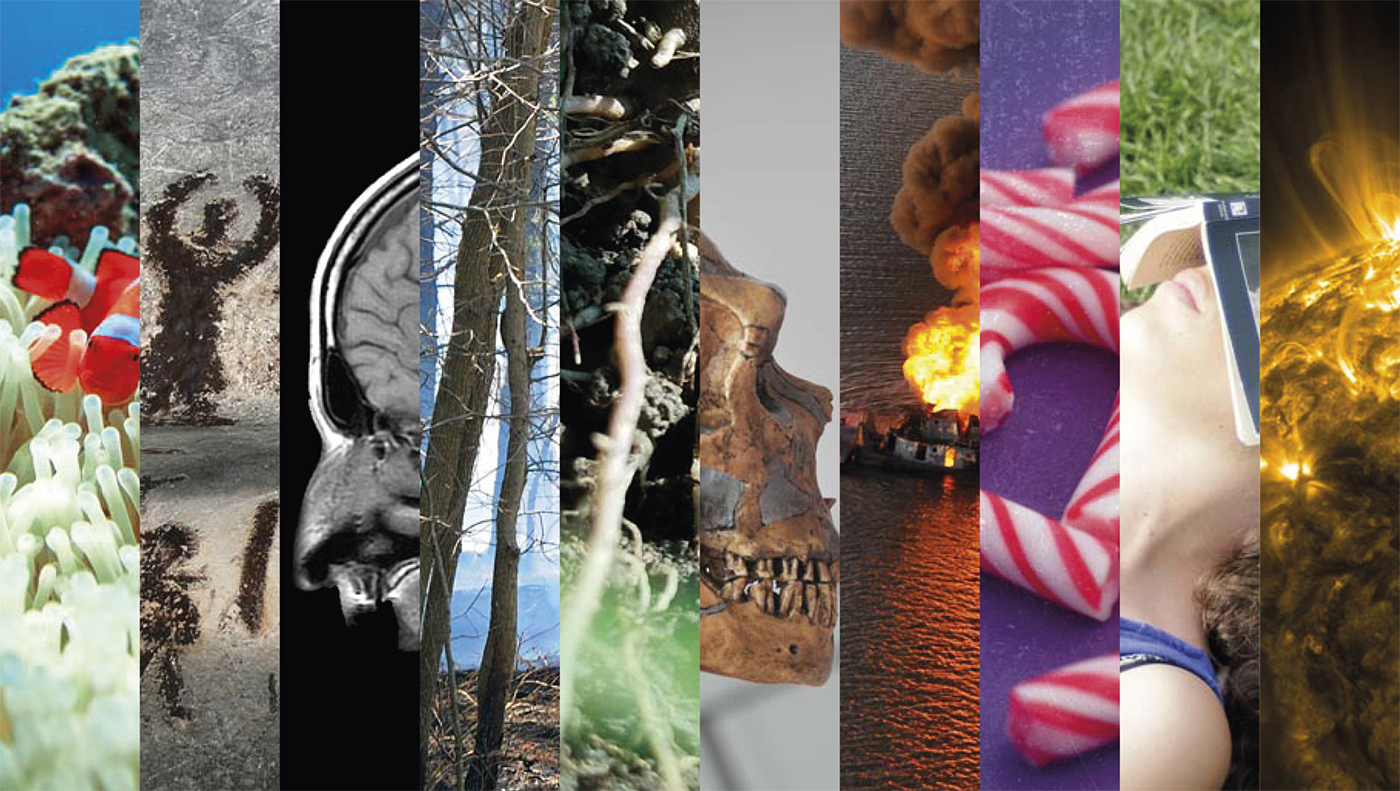
By Jack Cowls From arsenic candies to underground winter forest fires, Horizon uncovered some fascinating facts while researching our articles. Here are our ten favourites from 2018. 1. Sleep-deprived brains may be asleep and awake at the same time. 2. Sea anemone sting cells accelerate faster than bullets. 3. Prehistoric caves were chosen for their echoes. 4. The outermost part of the … Read more

From robotic companions to third thumbs, machines can change the human brain

Image credit - Ruud Hortensius and Emily Cross

People’s interactions with machines, from robots that throw tantrums when they lose a colour-matching game against a human opponent to the bionic limbs that could give us extra abilities, are not just revealing more about how our brains are wired – they are also altering them. by Frieda Klotz Emily Cross is a professor of … Read more