Catching ultrafine emissions could help develop cleaner cars

Scientists are developing a device to trap and analyse ultrafine particles from car exhausts.

Modern engines – in particular those which inject fuel at high pressure – maximise efficiency and cut carbon dioxide emissions, but may also release harder-to-catch pollution associated with cancers and lung, heart and Alzheimer’s diseases. In response, European researchers are analysing exhaust particles down to one billionth of a metre, which may help in the development of … Read more
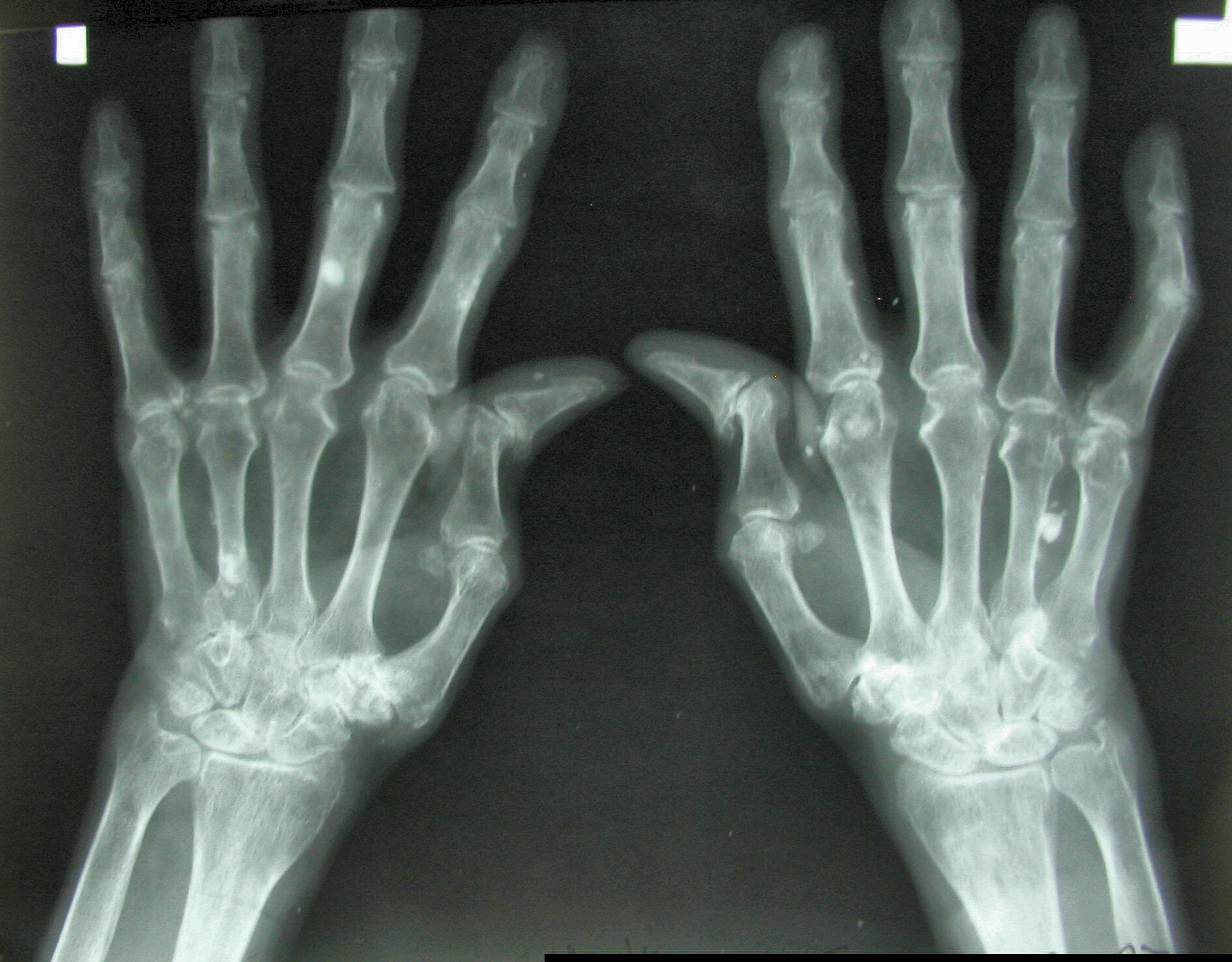
3D-printed living tissues could spell the end of arthritis

Arthritis breaks down the cartilage between joints, leading to pain, stiffness and swelling.

by Ethan Bilby Bioinks containing stem cells are being used to 3D print living tissues that can be inserted into the body and provoke a damaged joint to heal itself. It’s a development that could reduce the discomfort and pain of the one in 10 people who will suffer from arthritis over their lifetime. Arthritis … Read more

Removing barriers to healing

Fat has a higher ratio of stem cells than other tissues such as bone marrow.

by Natalie Grover Severe inflammation caused by a patient’s immune system can be deadly, but stem cells found in human fat could provide new ways to protect against this toxic reaction. The work is part of a subset of regenerative medicine that aims to tackle disease and disability by removing the natural barriers that prevent the body from healing itself. … Read more

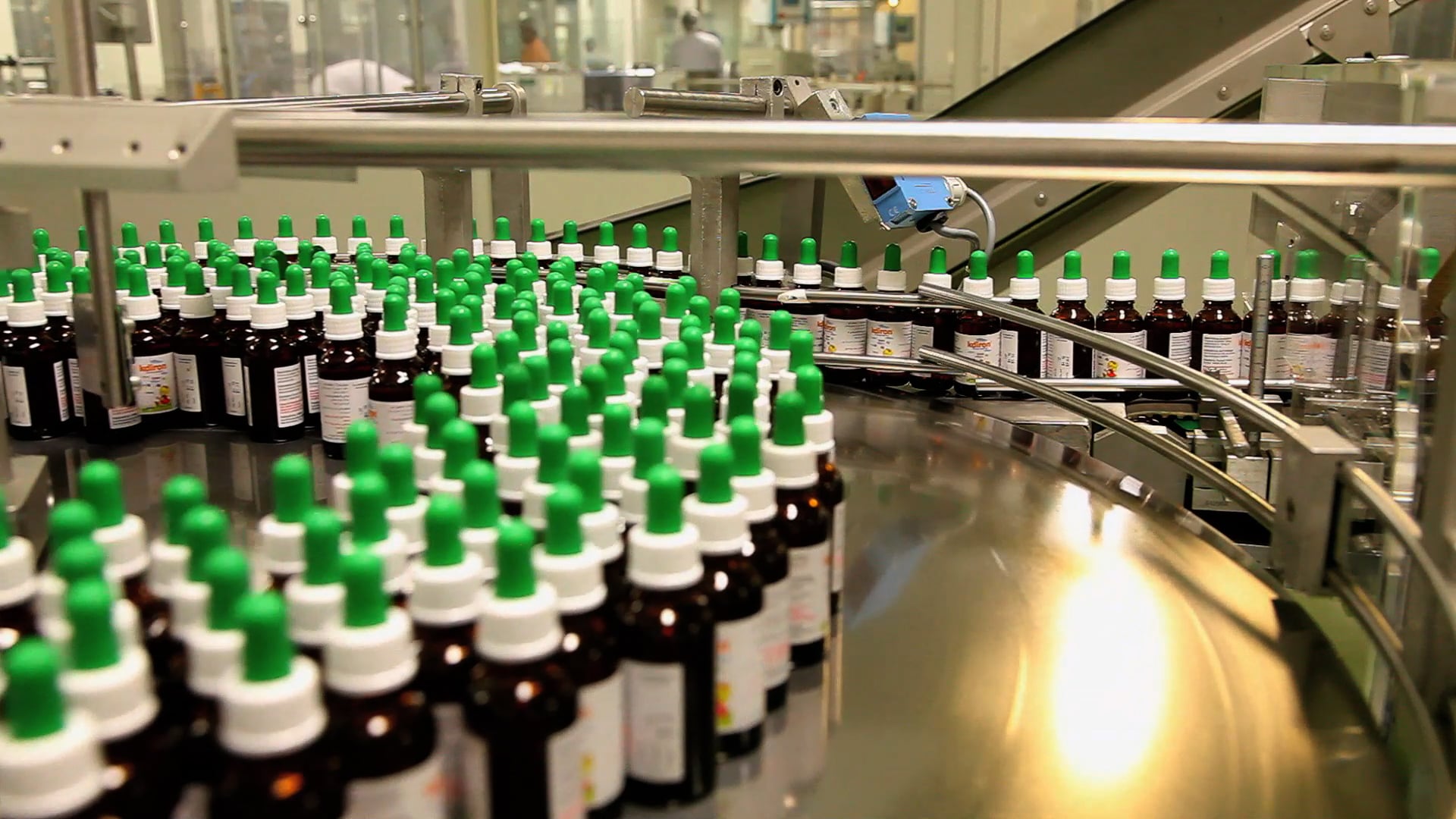
‘Radical collaboration’ is shaking up the pharmaceutical industry – Carlos Moedas

The Innovative Medicines Initiative was set up at a time when Europe was in danger of falling behind in pharmaceutical innovation.

by Frieda Klotz ‘Radical collaboration’ where multinational companies work together and share data instead of keeping it secret is helping to change the model of the pharmaceutical industry and solve problems more quickly, according to Carlos Moedas, the EU’s commissioner for research, science and innovation. He was speaking at an event in Brussels, Belgium, on … Read more

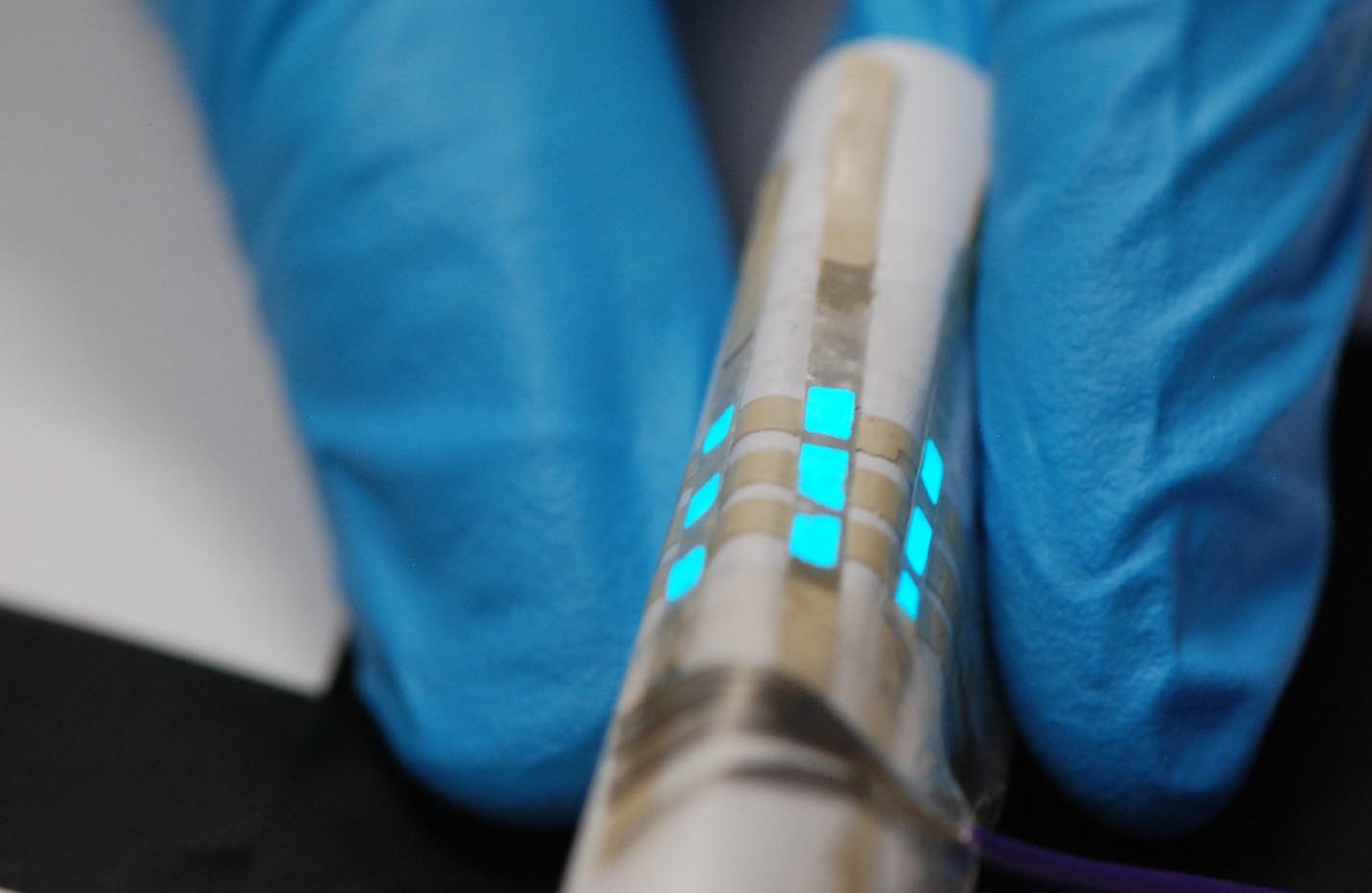
Electronic wool to take wearable tech from the catwalk to your wardrobe

Sandwiching doped zine sulphide between graphene in textiles can create glowing clothes.

Engineers are threading circuitry into clothes to create comfortable devices that could make electronic fashion the future of the textiles industry. Smart textiles, where electronics are incorporated into fabrics, have been around for some time, from sensor-laden shirts that keep you cool, to dresses packed with LEDs. Despite these innovations, even the most determined shopper … Read more

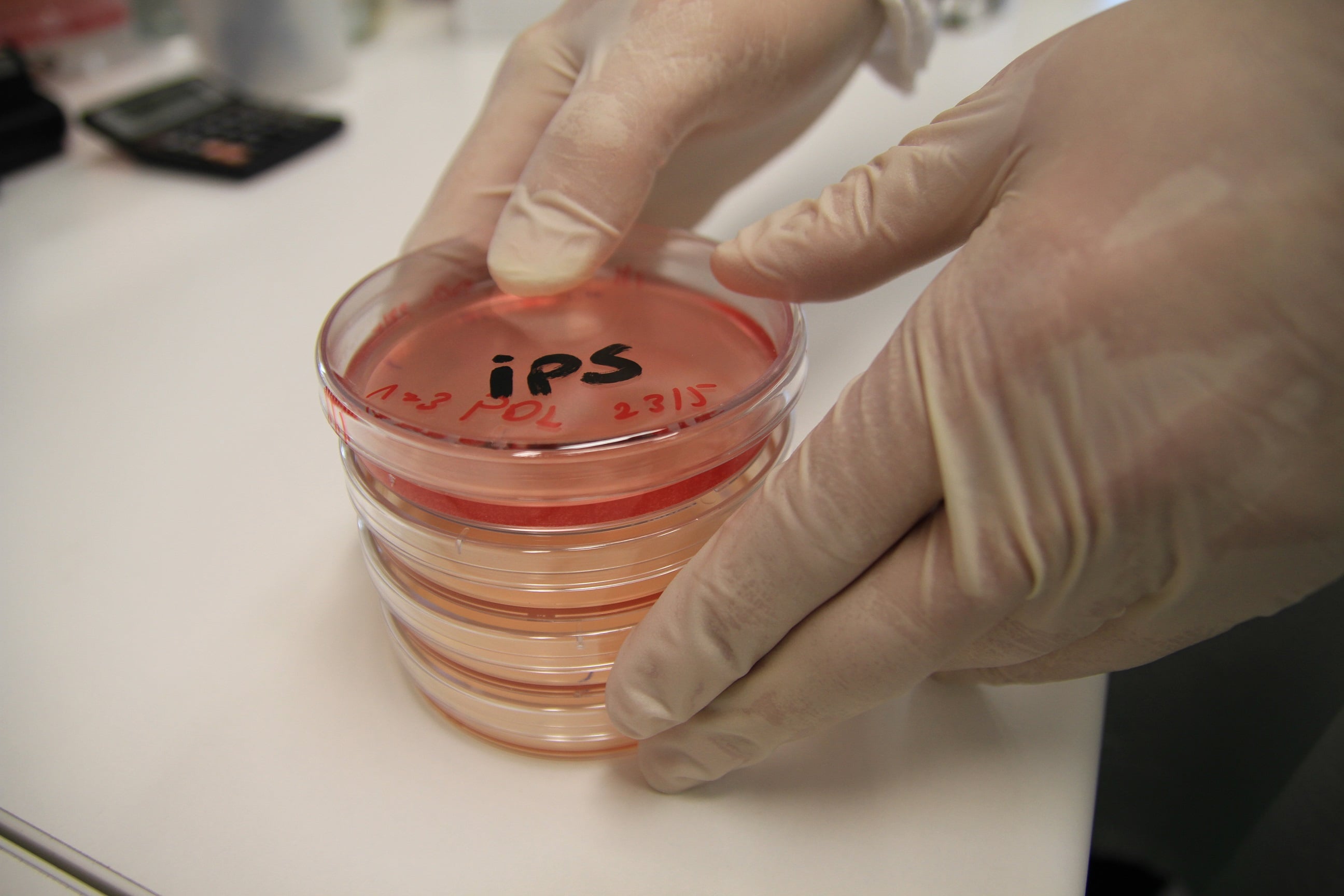
Europe is in danger of being out-innovated in regenerative medicine – Prof. Ton Rabelink

With the right environments, stem cells can potentially be reprogrammed to grow kidney tissue.

by Frieda Klotz Regenerative medicine should be governed, firstly, by the principle of do no harm, but a better balance between risk and regulation is required to bring innovations to market more quickly, according to Ton Rabelink, professor of internal medicine and head of nephrology at Leiden University in the Netherlands. He says that Europe is in … Read more