Crash test dummies based on older bodies could reduce road fatalities
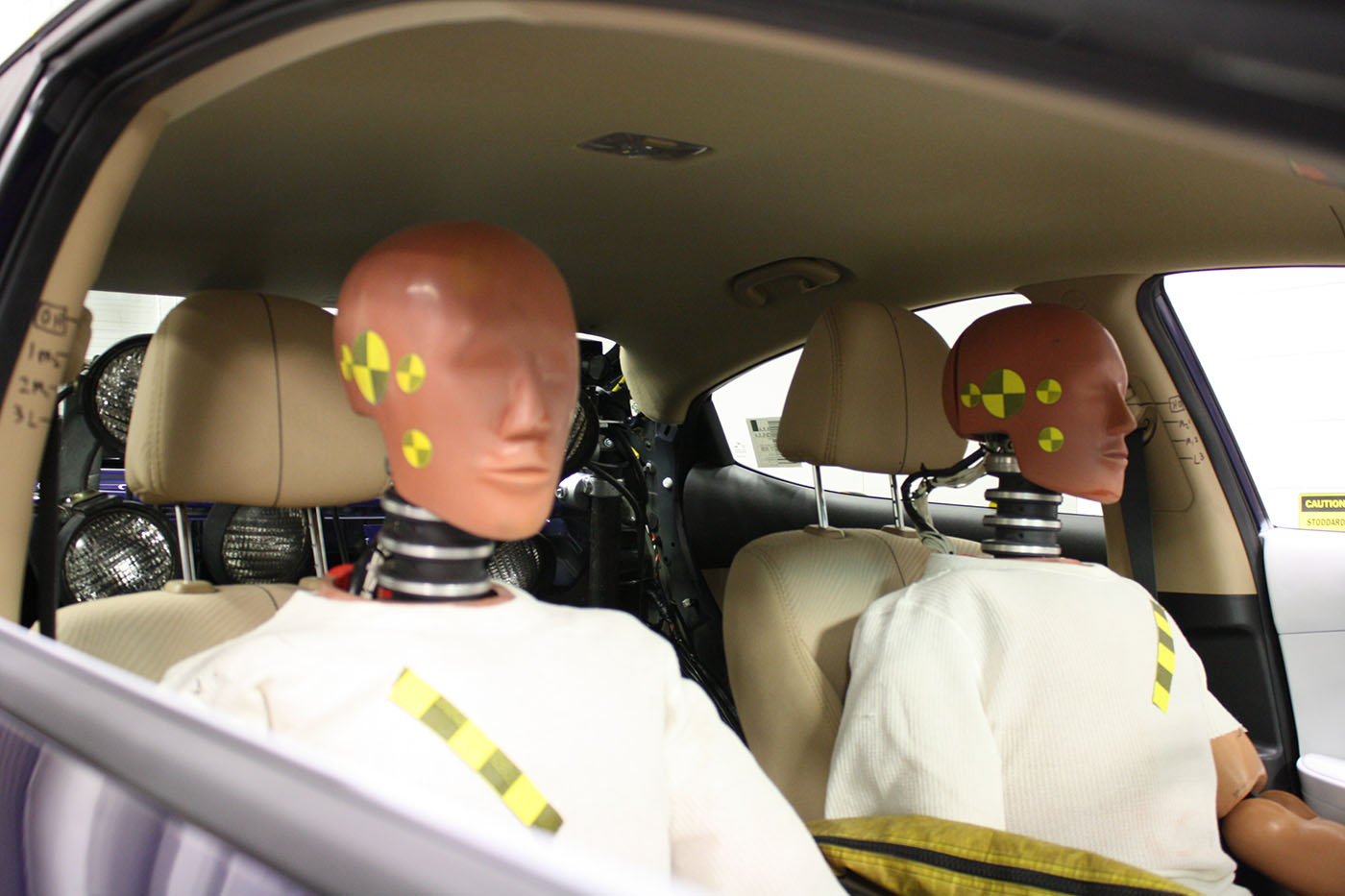
Because safety needs change as drivers' bodies age, researchers have created a new type of crash test dummy based on people over the age of 65.

Europe’s population is ageing rapidly, yet the majority of car safety equipment is tested using dummies modelled on people under the age of 65. Now researchers are developing vehicles and equipment designed specifically for the physical attributes and abilities of older bodies. When looking at the bare statistics, Europe’s roads seem to be getting safer. Over … Read more
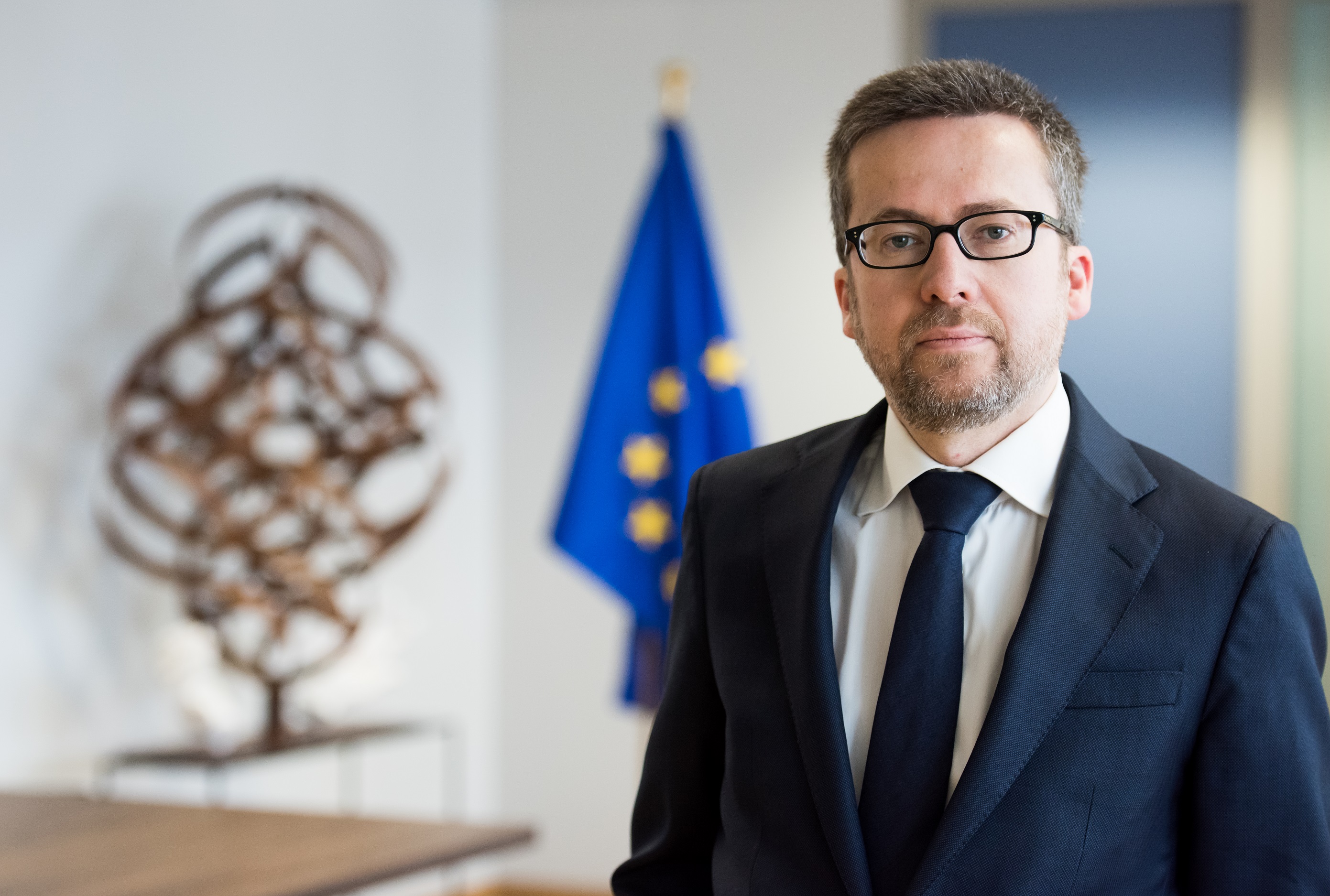
Horizon Europe will connect the public to European science – Carlos Moedas

Commissioner Moedas launched proposals for the next European science and research funding programme, Horizon Europe, on 7 June.

The next European science and research funding programme, known as Horizon Europe, is designed to connect people with the achievements financed by their tax money, and to fix problems with innovation funding, according to Carlos Moedas, the European Commissioner for Research, Science and Innovation. He spoke to Horizon magazine to coincide with the launch of … Read more

Decoding the honeybee dance could lead to healthier hives

Understanding the way bees and ants communicate might make it easier to protect them in the future.

Unravelling one of the most elaborate forms of non-human communication – the honeybee’s waggle dance – could help researchers better understand insect brains and make farming more environmentally friendly. It’s part of a field of work looking at insect neurology which is helping to unravel the complexity of their brains. Bees have evolved a unique, … Read more

Smart containers to reward people for recycling properly

Europe's waste plastic represents more than €10 billion in lost resources each year.

Smart recycling containers that reward people for proper use could help drive up the rate of plastic recycling, reducing the amount of plastic that goes into oceans and landfill, and creating business opportunities out of the challenge to cut back on waste. It’s part of a wave of innovations aiming to keep plastic circulating in the … Read more

Want to cure disease? Repurpose the body’s cells

Implanting stem cells from elsewhere in the body can help reverse organ damage.

If one part of the body breaks, can you just replace it with cells from another organ? That’s the hope of stem cell scientists who are reprogramming cells to treat major conditions such as incontinence and heart failure. Millions of Europeans are affected by stress urinary incontinence (SUI) which can have a devastating effect on … Read more

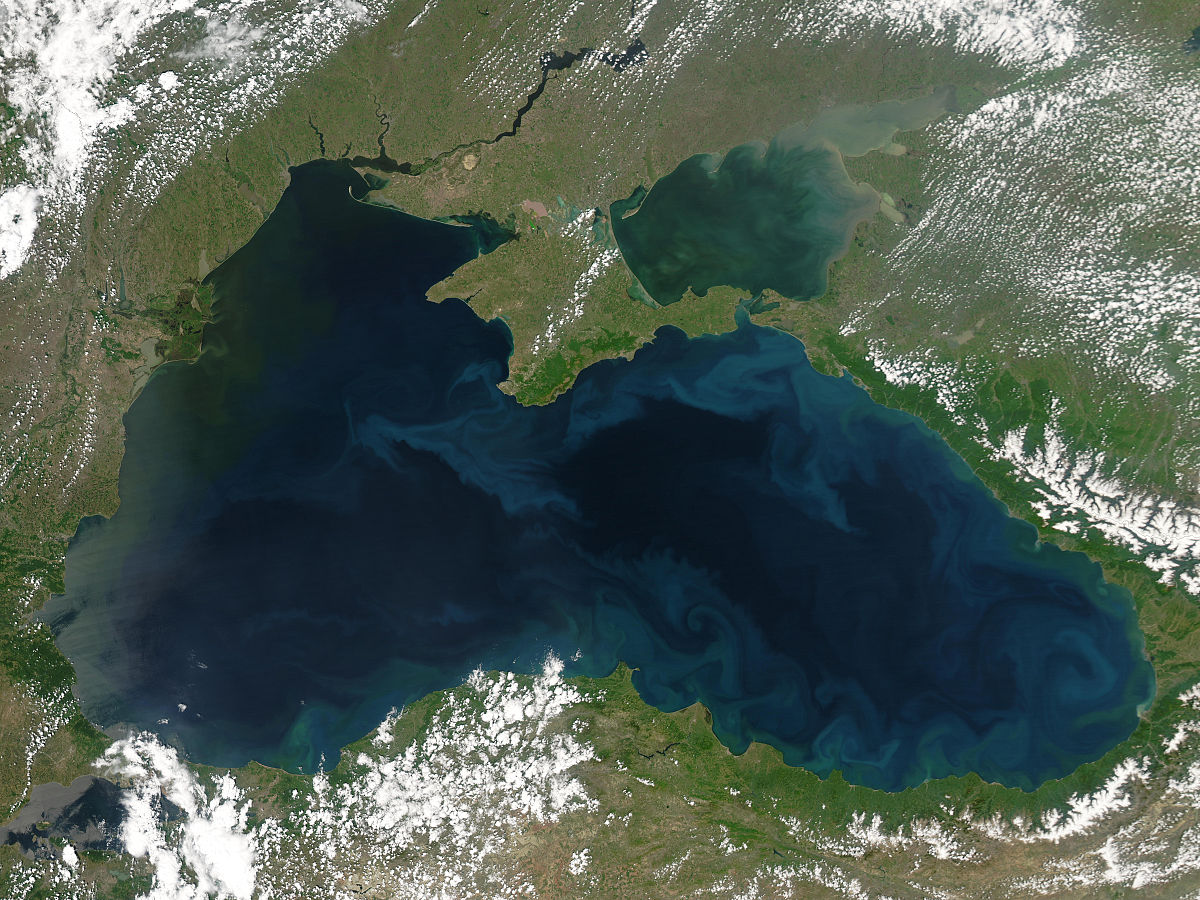
Black Sea research could reveal cultural sites and methane ice – Dr Adrian Stanica

Understanding the Black Sea requires chemistry, biology, geology, hydrology and oceanography, says Dr Adrian Stanica.

Cooperative marine research projects between the countries surrounding the Black Sea could reveal cultural heritage sites and unknown resources such as frozen methane, as well as enhance economic growth, bolster tourism and strengthen political bonds, according to Dr Adrian Stanica. He is Director-General of the Romanian National Institute of Marine Geology and Geoecology (GeoEcoMar) and … Read more