War can destroy cultural heritage twice – in conflict and in clean-up
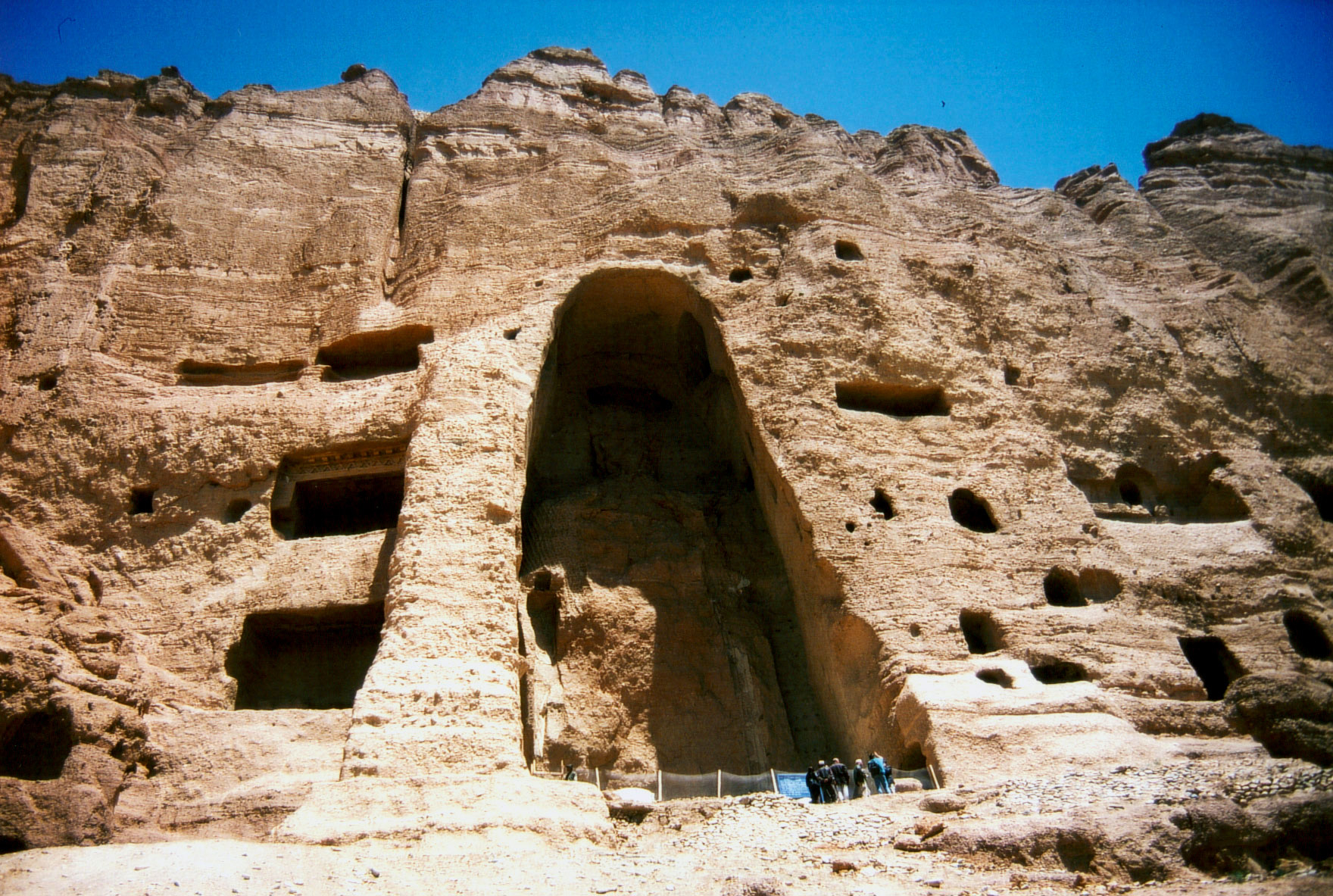
Proper documentation of cultural heritage is the key to restoration projects, says Dr Margarete van Ess.

People can inadvertently destroy cultural heritage for a second time when cleaning up conflict sites after a war ends, according to archaeologist Dr Margarete van Ess, who says that databases and education are the best basis for safeguarding sites for the future. She is director of the Orient Department at the German Archaeological Institute and … Read more
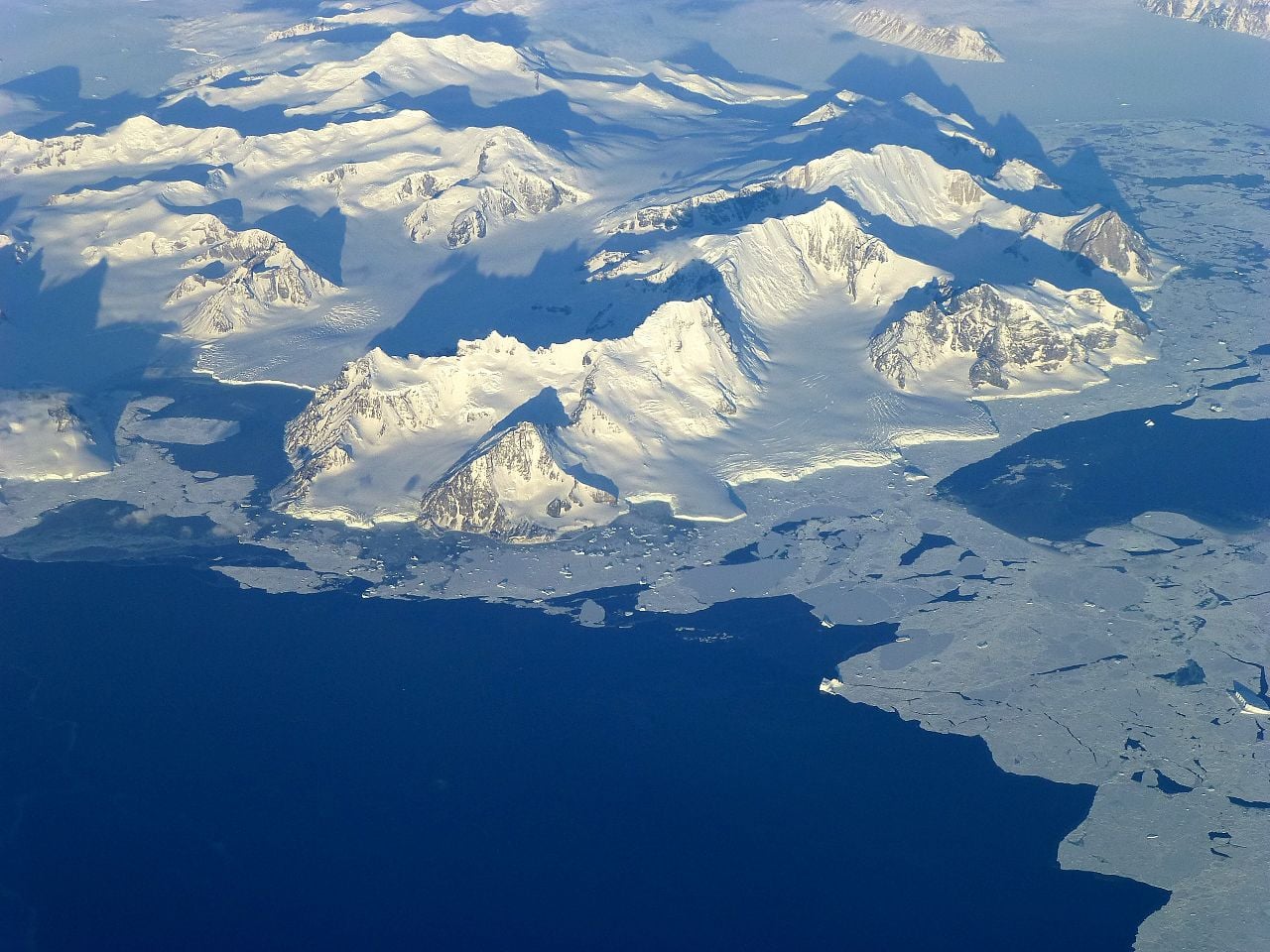
Warmer, saltier polar water could change global ocean currents

When ice shelves melt, they dump freshwater into the sea which lightens the salty water.

Melting ice shelves are changing the ocean’s chemistry at the South Pole and the result could be a change in global currents and increased glacial melt, according to scientists who are creating maps to feed into climate change models. At the North and South Poles, cold dense water sinks, powering the so-called global ocean conveyor belt, … Read more

Ancient farming techniques could help mitigate climate change

Geographically defined products such as Parma ham help to assess the social and cultural value of a landscape.

High technology is being deployed to uncover long-forgotten irrigation systems and other features concealed in landscapes that farmers developed hundreds of years ago to nurture their land. By studying landscapes of the past and how they’re used today, scientists can draw on Europe’s cultural heritage to help tackle challenges such as climate change and rural exodus. Professor José … Read more

Ultrafine pollution particles create air of menace

As many as 6.5 million premature deaths every year are attributed to air pollution, according to the World Health Organization.

An air quality study has for the first time detected nano-sized particles of air pollution in children’s urine. With a diameter of just 100 nanometers – a thousandth of the width of a human hair – these ultrafine particles are the smallest particles found in air pollution and have been linked to heart disease and respiratory conditions … Read more

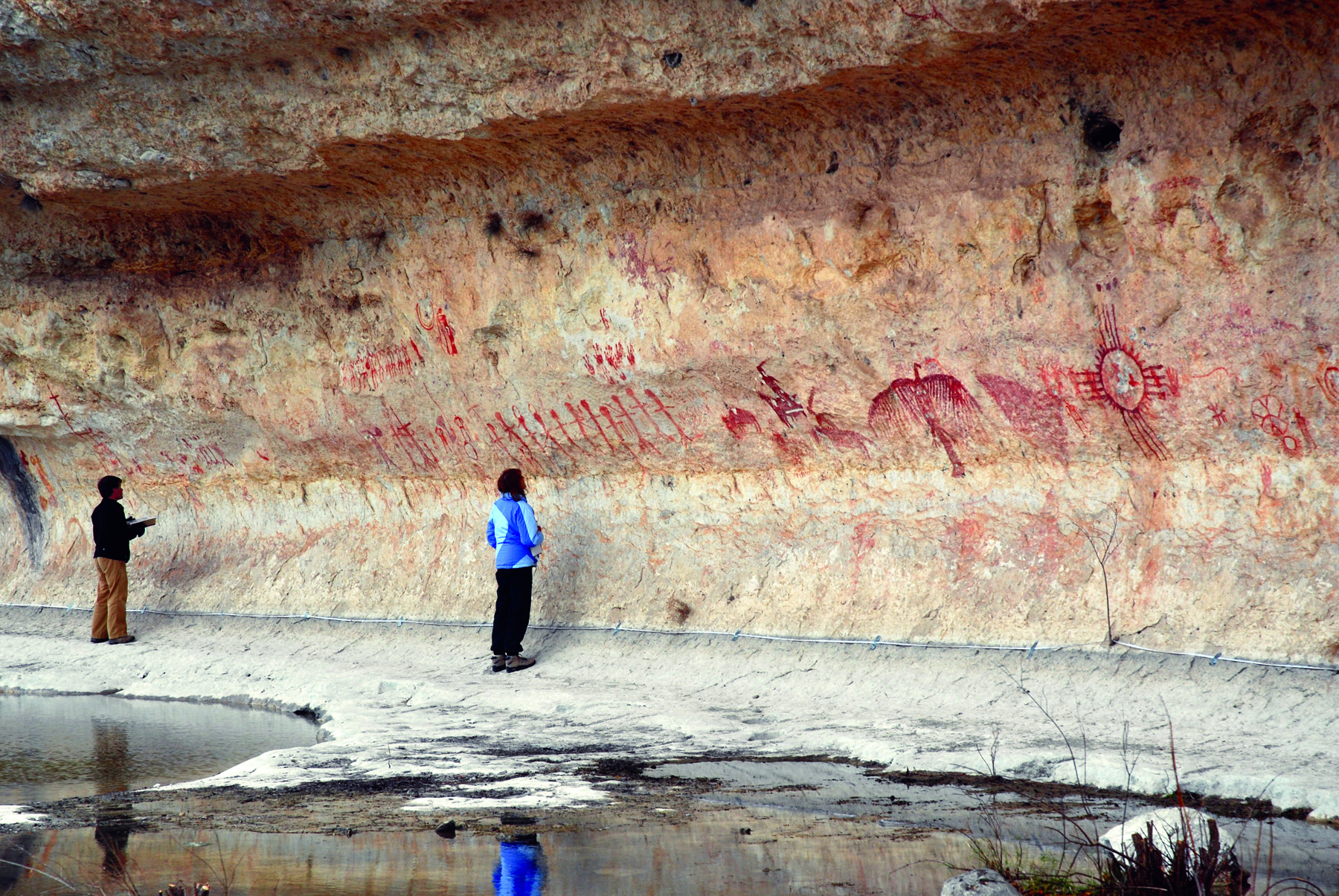
Shelters with echoes thought to be preferred sites for prehistoric rock art

Scientists believe that rock art sites were chosen for their visual and acoustic properties.

The acoustic qualities of a rock shelter may have been a key factor in its selection as a site for rock art and indicate a spiritual significance to the practice, according to a recent study, while scientists are also looking into whether some caves were chosen as artistic sites because of the view. Professor Margarita … Read more

Omics, sweet omics – curing the incurable, one disease at a time

In recent years, the genetic defects behind about 5,000 of the estimated 7,000-8,000 rare diseases have been discovered, largely thanks to omics.

There are many rare genetic diseases that strike perhaps only one in a million people. Often incurable, they can be profoundly debilitating and frequently life-threatening. Though each particular disease is rare, they number in the thousands – which means that together they affect about 30 million Europeans or around 7% of us. Treating these diseases is challenging … Read more