Skip to content
ScienceBlog.com
  • Featured Blogs
    • EU Horizon Blog
    • ESA Tracker
    • Experimental Frontiers
    • Josh Mitteldorf’s Aging Matters
    • Dr. Lu Zhang’s Gondwanaland
    • NeuroEdge
    • NIAAA
    • SciChi
    • The Poetry of Science
    • Wild Science
  • Topics
    • Brain & Behavior
    • Earth, Energy & Environment
    • Health
    • Life & Non-humans
    • Physics & Mathematics
    • Social Sciences
    • Space
    • Technology
  • Our Substack
  • Follow Us!
    • Bluesky
    • Threads
    • FaceBook
    • Google News
    • Twitter/X
  • Contribute/Contact

Research

Kai Zhao, PhD, checks the positioning of smell aid in trial participant.

Test Begins on First Devices to Improve and Treat Smell Loss

cytokine

Skin Injury May Bring on Food Allergies

In the study, participants were initially asked to evaluate the creativity of robots based only on still life drawings they had made.

Is AI Truly Creative? Turns Out Creativity Is in the Eye of the Beholder

alzheimers illustration

Study strengthens link between shingles vaccine and lower dementia risk

cooking oil

Common Cooking Oil Fuels Aggressive Breast Cancer Growth

Aguas Zarcas meteorite with irregular surface features. This 146g stone is on loan to the Buseck Center for Meteorite Studies from Michael Farmer.

In the pinball world of asteroids, a mudball meteorite avoided collisions

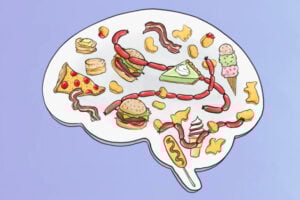
A steady diet of high-fat foods leads to reduced pleasure in eating, likely contributing to obesity. UC Berkeley scientists have discovered why, opening up new possibilities for treating obesity — not by fighting desire, but by restoring desire in a healthier way.

Scientists discover why obesity takes away the pleasure of eating

brain illustrations attemtping to demonstrate the protective quantum effect discussed in the article

Lab-Created Protein ‘Seeds’ Unlock Mysteries Behind Devastating Brain Diseases

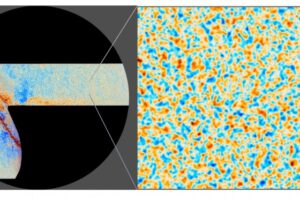
This is part of a new image that shows the vibration directions, or polarization, of the radiation. The zoom-in on the right is 10 degrees high. Polarized light vibrates in a particular direction; blue shows where the surrounding light’s vibration directions are angled towards it, like spokes on a bicycle; orange shows places where the vibration directions circle around it. This new information reveals the motion of the ancient gases in the universe when it was less than half a million years old, pulled by the force of gravity in the first step toward forming galaxies. The red band comes from our closer-by Milky Way.

Telescope Captures Clearest Images of Universe’s Infancy

The Tale of Two Skates: How a Genetic Twist Solved a Century-Old Mystery

The Tale of Two Skates: How a Genetic Twist Solved a Century-Old Mystery

Dogs carrying the genetic variant most associated with obesity, DENND1B, had around 8% more body fat than those without it.

Scientists identify genes that make humans and Labradors more likely to become obese

1 in 5 butterflies have disappeared in the United States since the year 2000, according to research featuring faculty at Binghamton University, State University of New York.

20% of Butterflies in the U.S. Have Disappeared Since 2000

Karunesh Ganguly, MD, PhD (center), works in his lab with graduate students Runfeng Miao (left) and Harsha Peesapati (right). Photo by Noah Berger

Paralyzed man moves robotic arm with his thoughts

Orangutan with hand to mouth. Pixabay

Researchers outline new approach for better understanding animal consciousness

Older posts
Page1 Page2 … Page32 Next →
Substack subscription form sign up

Comments

  • Karoly Mirnics on Common Prescription Drugs May Disrupt Cholesterol Pathways in the Womb and Raise Autism Risk
  • Aizen on Laziness helped lead to extinction of Homo erectus
  • Norwood johnson on Electrons in New Crystals Behave as If They Live in Four Dimensions
  • ScienceBlog.com on Hidden Geometry Could Finally Fix Quantum Computers
  • Theo Prinse on America Is Going Back to the Moon. This Time, It Plans to Stay
© 2026 ScienceBlog.com | Follow our RSS / XML feed