It begins
not in the bones,
but in the slip
between
sound and signal –
a misfire
before numbers
take form.
No stain,
no warning taste –
just a settling
in milk-years,
soft matter
learning to forget
before it knows
what was there
to hold.
Each mark
a paper-thin drift
away –
from the long leaf
pencil-scrape
to the rustle
of answer-keys
turning
somewhere else.
This is how
the weight moves:
ledger-light,
grade-thief,
etched into
the chalk-ghost
of a name
never called.
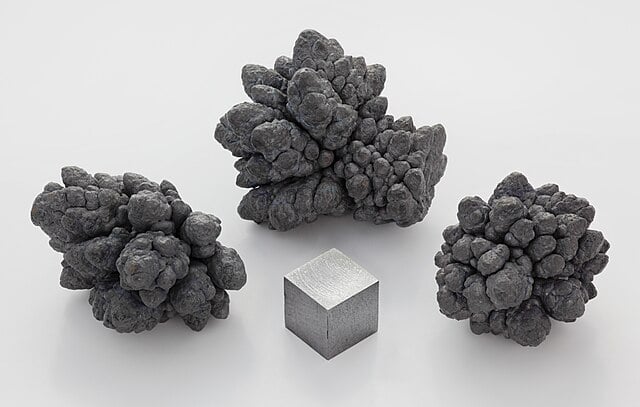
This poem is inspired by recent research, which has found that even small amounts of lead in early childhood were linked to lower reading and maths scores all the way through school.
Lead harms brain development, even at very low levels. At present, health agencies only recommend action if blood lead levels reach 3.5 micrograms per decilitre (μg/dL). However, research shows that no level of lead is truly safe. Even small exposures can affect how children learn. These effects often go unnoticed. Yet, they may appear later as struggles with reading or maths. For this reason, it is important to look again at what we call ‘safe’ exposure.
A new study from Iowa followed over 300,000 children. Researchers matched their early lead test results to school test scores. They found that even small increases in low lead levels were linked to lower scores in both maths and reading. In fact, the impact was similar to that seen in children with higher levels. These effects showed up year after year, from age 7 to 17. Therefore, the study suggests current safety limits may be too high. It also shows the need to act earlier, before damage is done.
Discover more from The Poetry of Science
Subscribe to get the latest posts sent to your email.