Reconnecting body and brain: Europe’s breakthrough in reversing paralysis

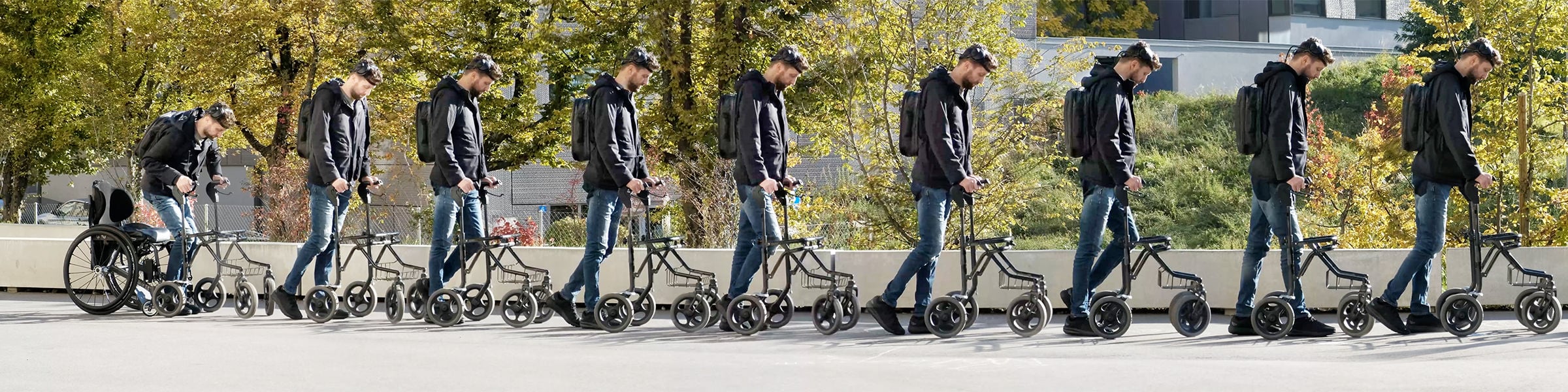
Once considered impossible, restoring movement after paralysis is becoming a reality thanks to EU-funded researchers who have developed a device that reconnects the brain to the body. By Alison Jones Spinal cord injury (SCI) remains one of the most devastating neurological conditions, severing communication between the brain and the body and leaving millions worldwide with … Read more

Tiny particles, big impact: towards less invasive brain stimulation

Researchers are exploring how nanotechnology could treat brain disorders without surgery or implants. © PeopleImages, Shutterstock.com

Living with a brain disorder often means relying on medication that does not work for everyone and, in some cases, surgery. EU-funded researchers are now investigating whether nanotechnology could one day offer a safer, less invasive alternative. By Michaela Nesvarova For decades, treating serious brain disorders has often meant making a difficult trade-off. Symptoms could … Read more

New ocean sensors could transform how scientists track the marine carbon cycle

Deep-sea sensors will reveal how oceans absorb and store carbon over time. © divedog, Shutterstock.com

EU-funded researchers are developing a new generation of ocean sensors able to monitor previously hard-to-reach areas, promising clearer insight into how marine ecosystems are responding to climate change. By Michael Allen The world’s oceans do far more than support vital marine ecosystems and provide food and recreation. They help regulate the Earth’s climate, absorbing vast … Read more

Restoring surgeons’ sense of touch with robotic fingertips

New soft robotic fingertips could bring the vital sense of touch back to surgery. © Tech Hive Labs, 2026

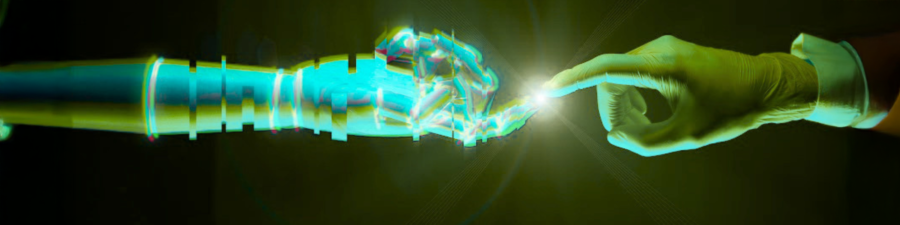
Researchers are developing robotic “fingertips” that could give surgeons back their sense of touch during minimally invasive and robotic operations. By Anthony King Modern surgery has gone from long incisions to tiny cuts guided by robots and AI. In the process, however, surgeons have lost something vital: the chance to feel inside the body directly. … Read more

From living buildings to multitasking home robots, here’s how science is reimagining 2026

Research will reshape daily life in 2026, from living cities to quantum computing. © 3rdtimeluckystudio, Shutterstock.com

Living buildings, quantum computers, safety by design, home robots and AI-assisted pandemic preparedness. Europe’s researchers are reshaping how we live, work and design our cities in 2026. By Anthony King As science continues to push boundaries, the coming years could surprise us with self‑healing cities, robots that care and smarter defences against future pandemics. Here … Read more