Eco detergents – for greener whites in the airing cupboard

Giving enzymes in detergents and fabric softeners a microencapsulation can make them reusable.

by Rob Coppinger ‘Clean’ and ‘soft’ are words strongly associated with washing products and fabric softeners, and soon they are set to be described as ‘green’ too with less chemical waste and longer-lasting action. Of all modern conveniences, the humble washing machine is perhaps the greatest labour-saving device. Hours of dunking, scrubbing and wringing wet … Read more
Sticky tape and simulations help assess microplastic risk

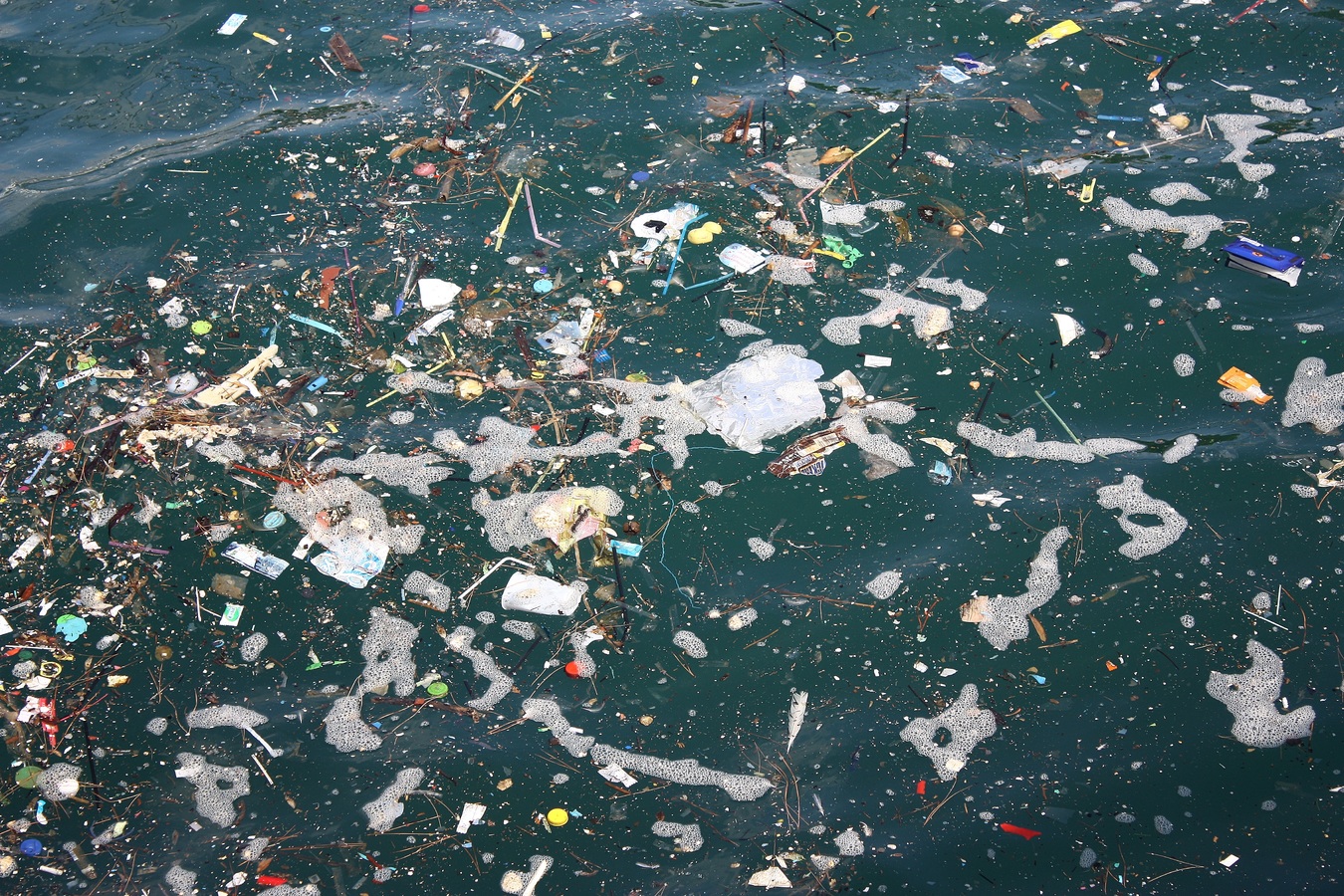
Microplastics are considered the most common form of marine litter.

by Natalie Grover Tiny pieces of plastic, now ubiquitous in the marine environment, have long been a cause of concern for their ability to absorb toxic substances and potentially penetrate the food chain. Now scientists are beginning to understand the level of threat posed to life, by gauging the extent of marine accumulation and tracking … Read more

Electric ferries and joined-up shipping to turn sea travel green

Digital communication between ships could help optimise shipping routes and reduce fuel consumption.

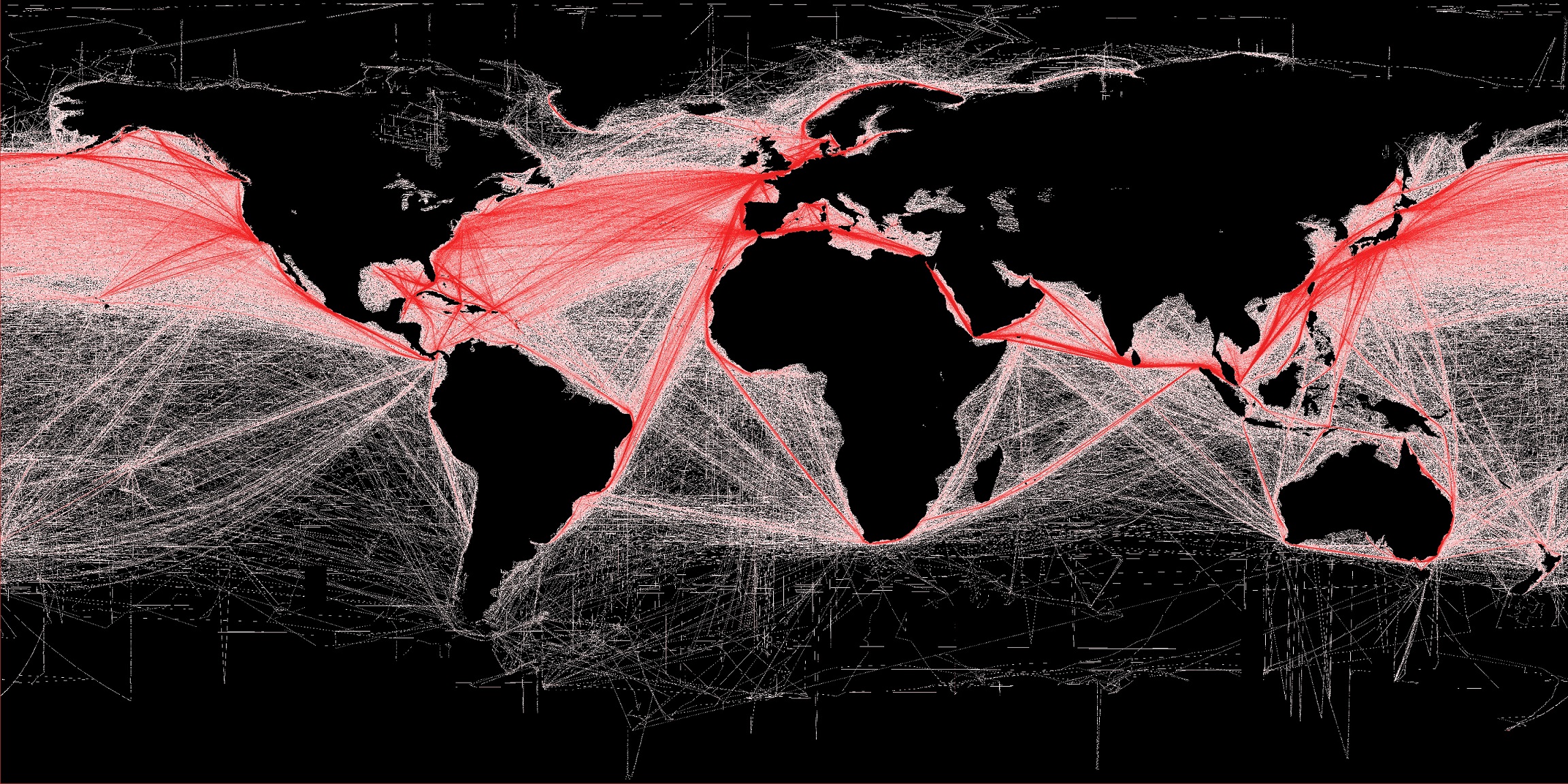
Electric ferries and digital communication between ships could help in the quest to decarbonise maritime transport, a sector which is often perceived as being the green option but could still do much to lower its environmental footprint. The global shipping industry currently emits around 1000 million tonnes of CO2 into the atmosphere each year, but according to … Read more

Fleets of compact e-vehicles could help battle air pollution

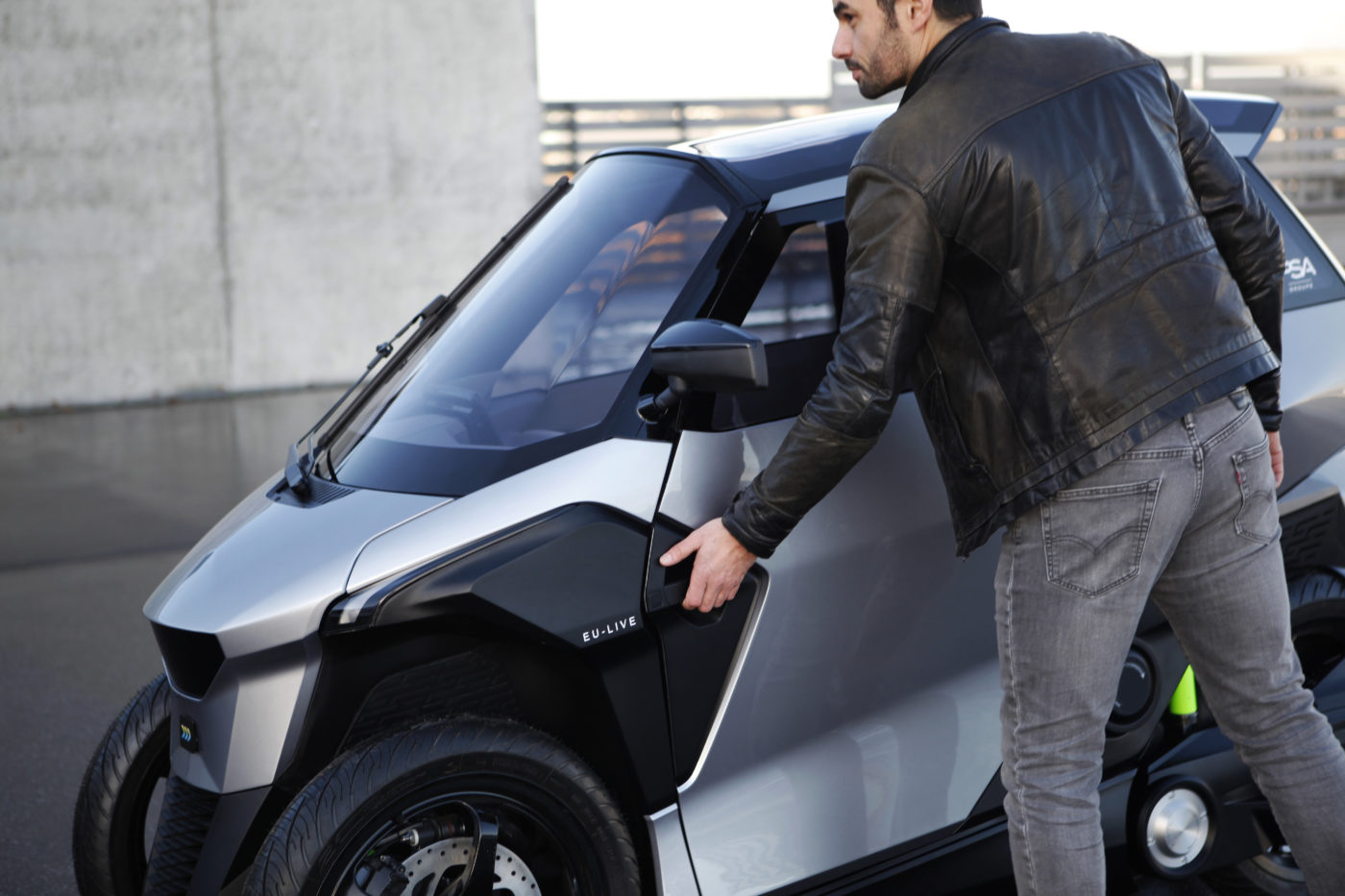
Quiet, narrow and low-emission electric vehicles could be used in conjunction with public transport in cities to ease congestion and pollution.

by Gareth Willmer Lightweight electric mini-cars could soon be a common sight on the streets of Europe’s cities thanks to longer-lasting batteries, tilting and stackable design, and modular components to bring down the cost of mass production. It’s part of a push towards environmentally friendly transport options in a bid to reduce greenhouse gas emissions … Read more

Turning food waste into animal feed could take a chunk out of livestock emissions

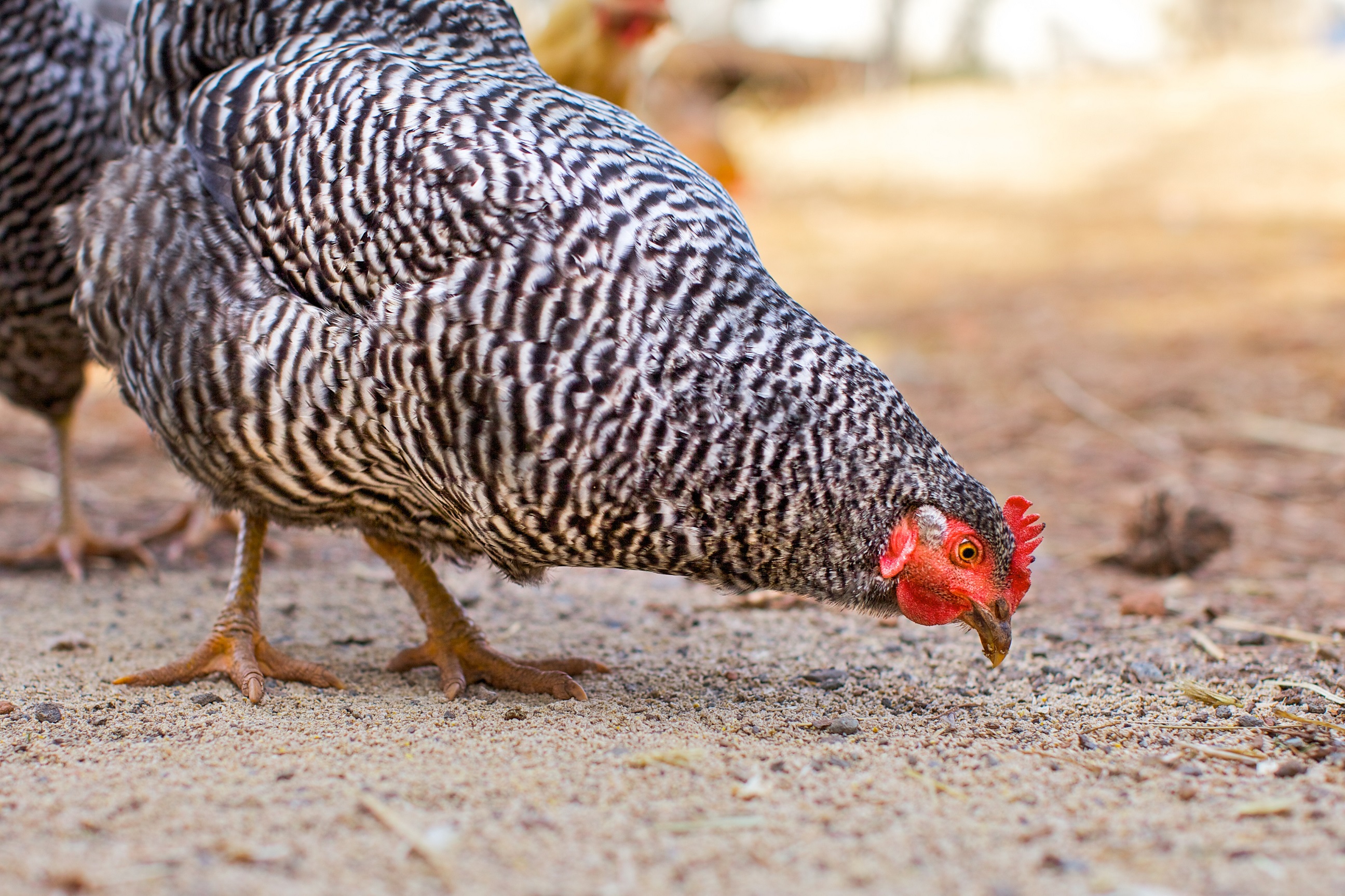
Recycling food waste to use as animal feed and turning manure into green fertilizers can lead to lower environmental impacts from food production.

Using European plant and dairy waste as an alternative to soy-based animal feed could see a big drop in agricultural emissions and prevent deforestation. Every year around a third of all food produced for human consumption is wasted, according to the United Nations. That equates to 1.3 billion tonnes of food down the drain and huge … Read more

Garbage-collecting aqua drones and jellyfish filters for cleaner oceans

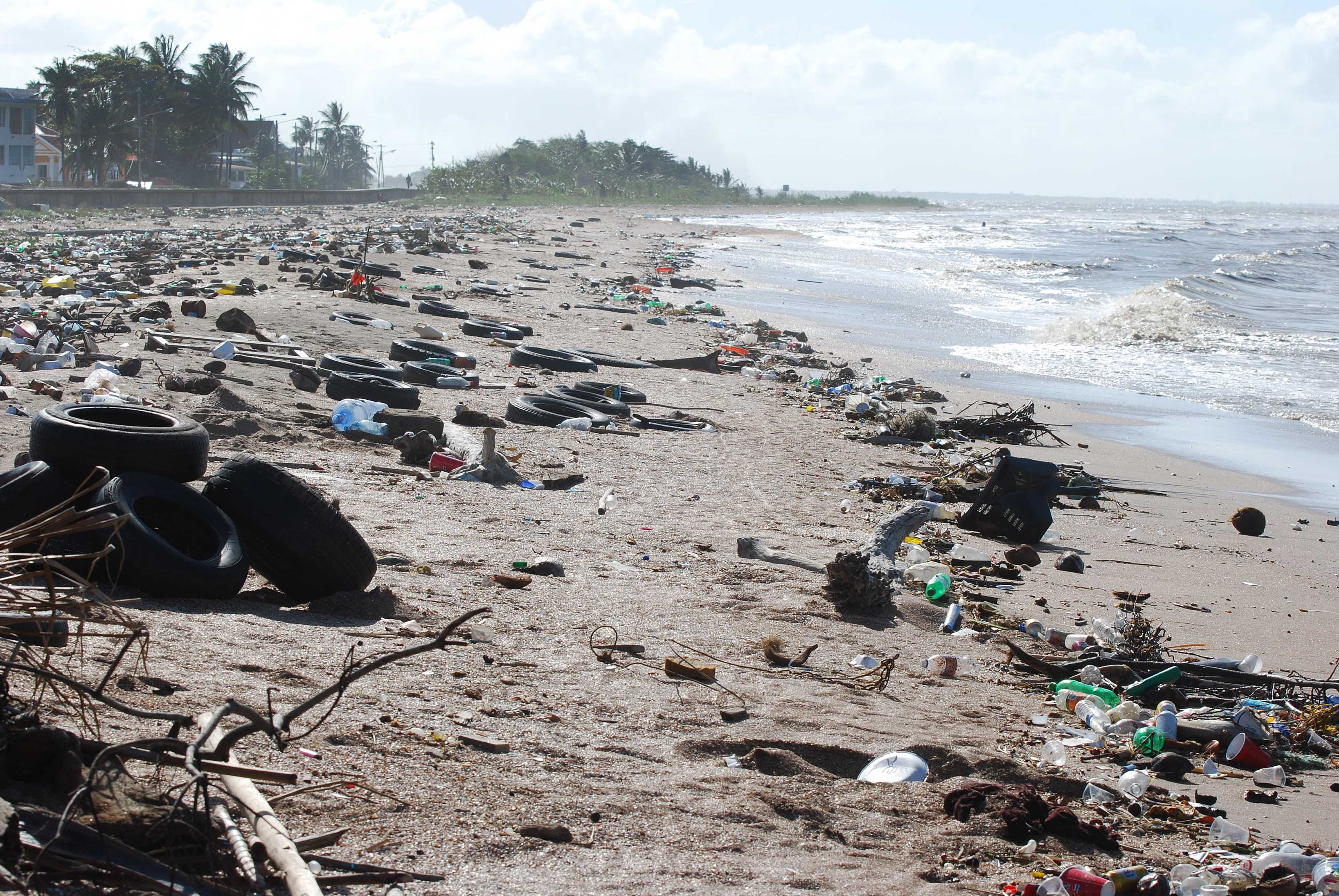
It is estimated that more than 150 million tonnes of plastics have already accumulated in the world's oceans.

A Roomba-like ocean trash collector modelled on a whale shark and a microplastic filter made from jellyfish slime could prevent litter from entering our oceans and help tackle a growing problem that poses threats to wildlife, deters tourists and impacts on coastal economies. The cost of sea litter in the EU has been estimated at up to … Read more