Climate sensitivity – reducing the uncertainty of uncertainty
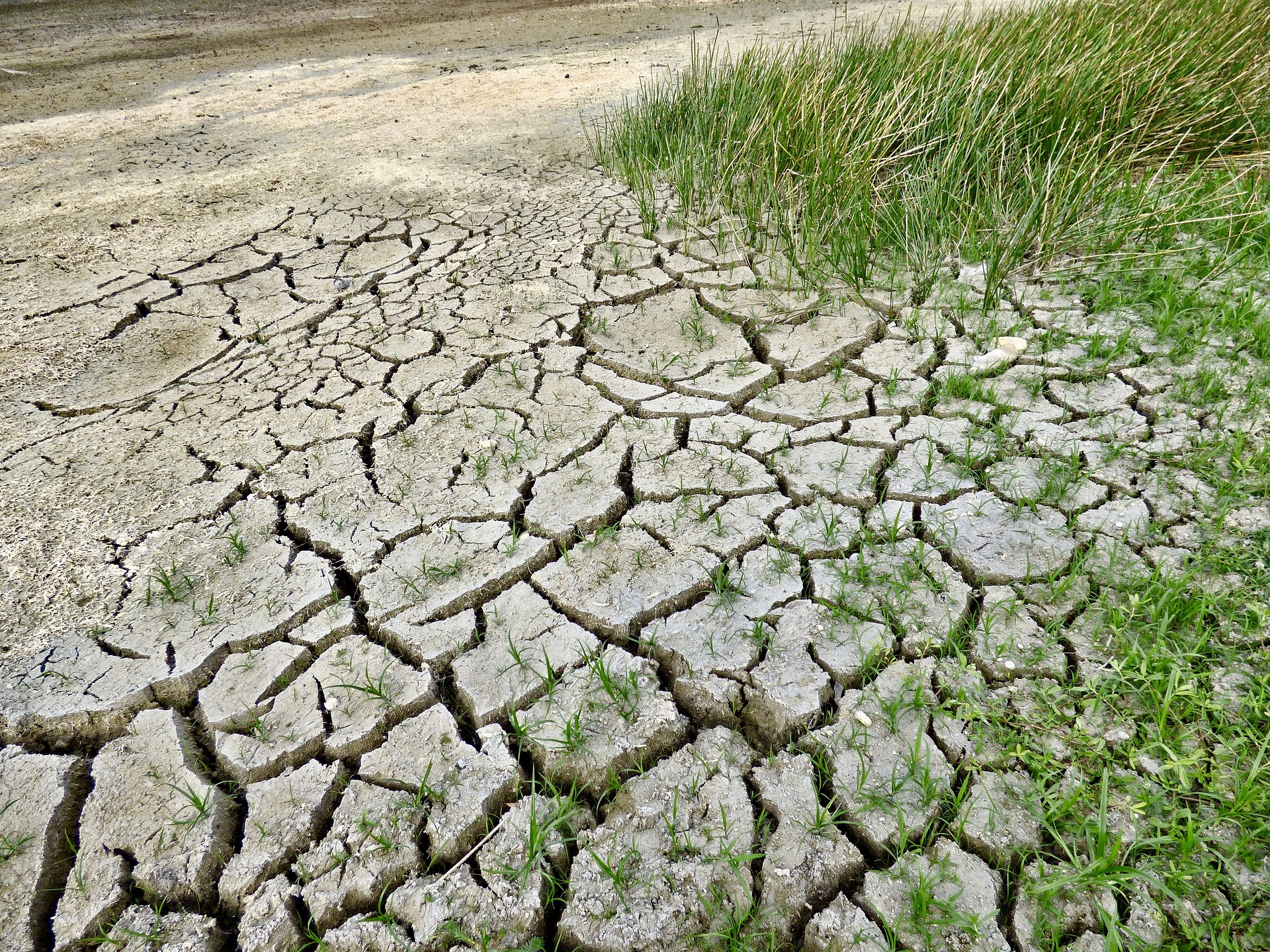
New research aims at making climate change prediction more accurate.

Global warming is a reality – but just how bad will it be? A study published in January 2018 claims to halve the uncertainty around how much our planet’s temperature will change in response to rising carbon dioxide (CO2) levels, potentially giving governments more confidence to prepare for the future. The results suggest that, when it … Read more

Turning landfill into energy

Landfill is both ugly and polluting. But a new breed of technology promises to make it a thing of the past, transforming a huge portion of landfill material into clean gas. It’s thanks to a process called gasification, which involves turning carbon-based materials into gas by heating them to a high temperature but without burning … Read more

Ancient farming techniques could help mitigate climate change

Geographically defined products such as Parma ham help to assess the social and cultural value of a landscape.

High technology is being deployed to uncover long-forgotten irrigation systems and other features concealed in landscapes that farmers developed hundreds of years ago to nurture their land. By studying landscapes of the past and how they’re used today, scientists can draw on Europe’s cultural heritage to help tackle challenges such as climate change and rural exodus. Professor José … Read more

EU puts its ‘foot on the accelerator’ of battery research

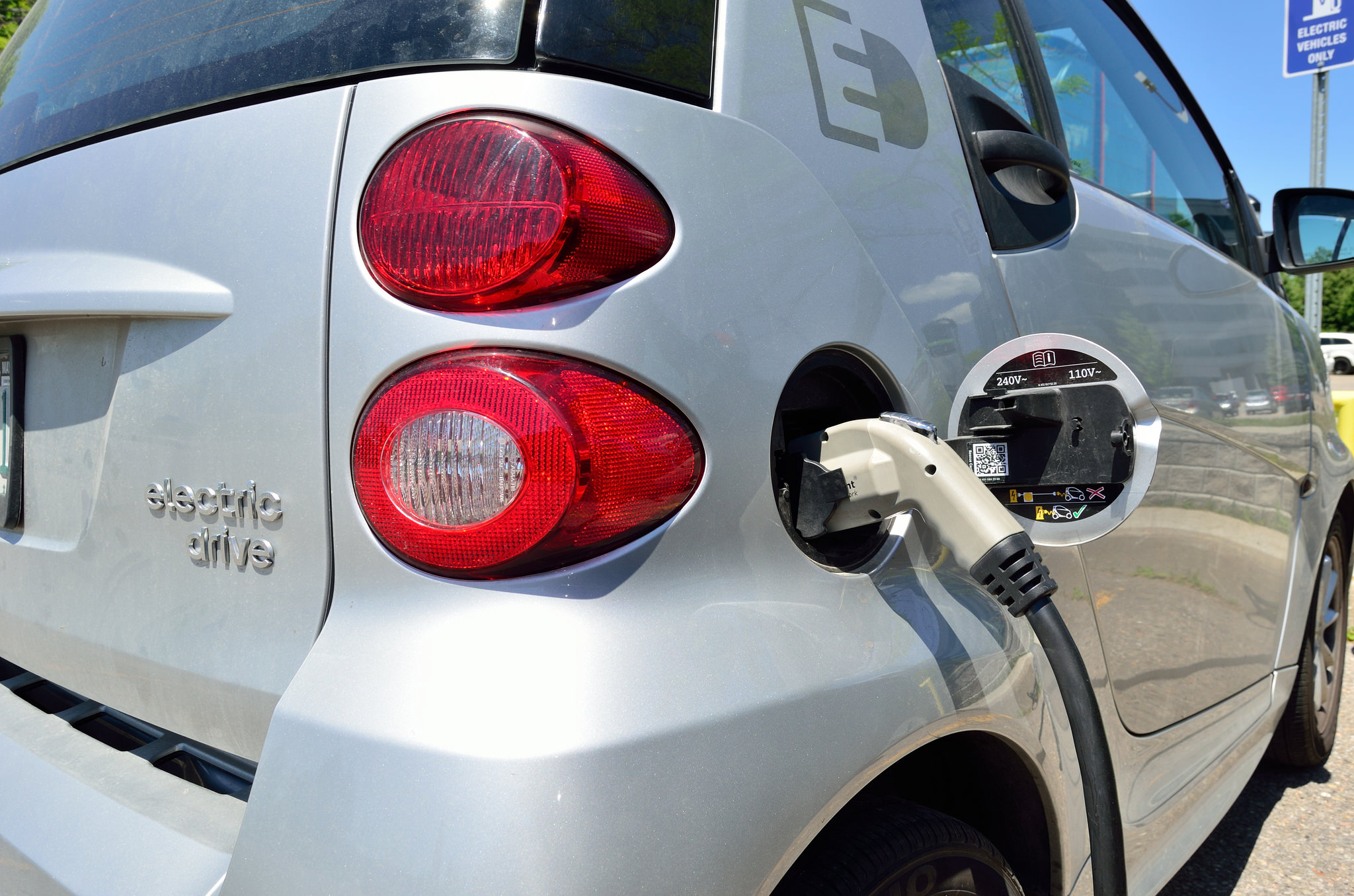
The transport sector accounts for 14% of global greenhouse gas emissions.

The European Union is scaling up its investment in battery technology with the announcement of a €10 million open competition to design a better battery for electric vehicles and a €50 million cash injection to develop Europe’s largest green battery factory. Batteries will play a vital role in helping to achieve the EU’s goal of … Read more

Cultural cross-fertilisation to rescue soils

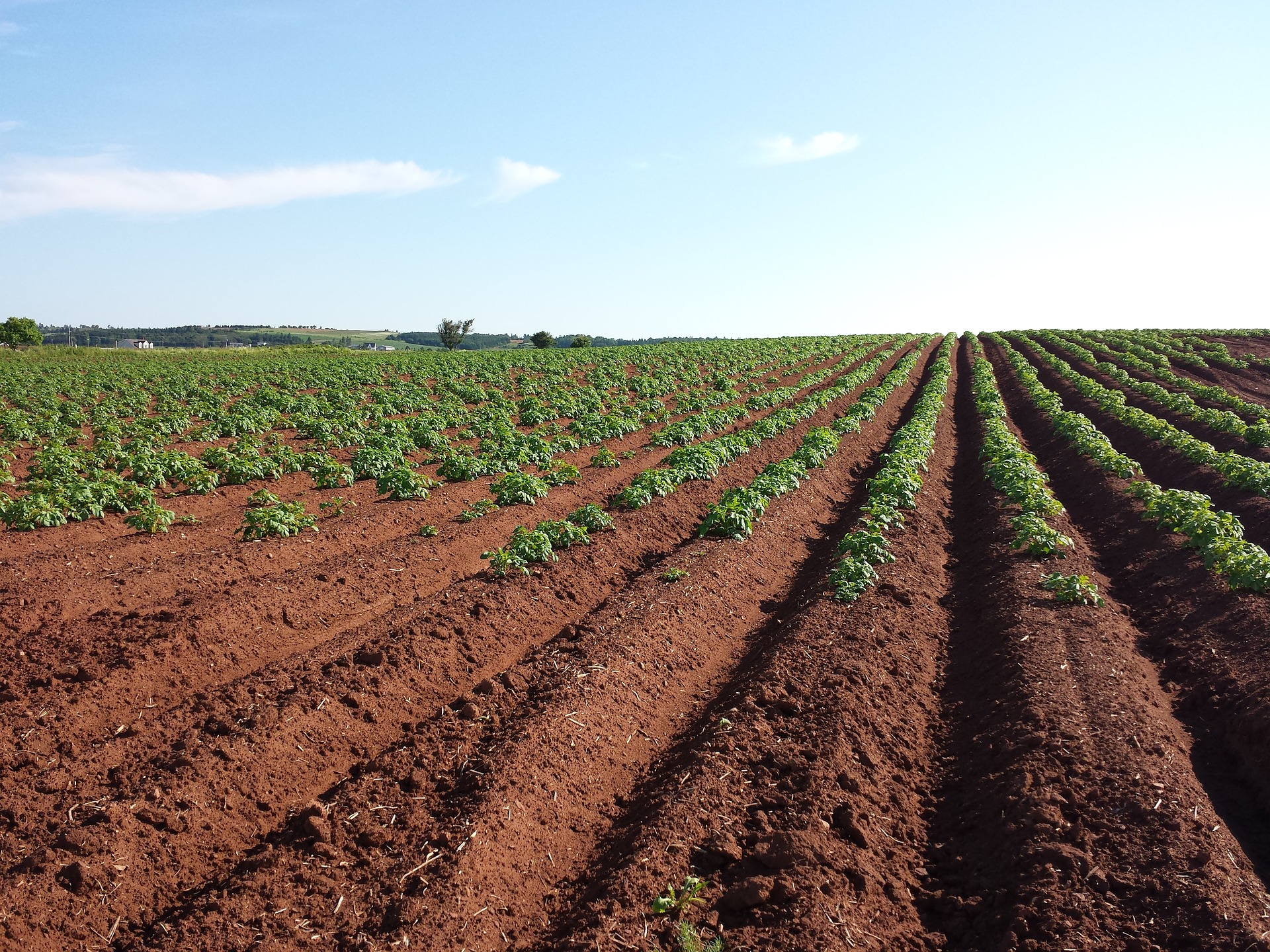
As more food than ever is being grown, it is important to find ways to promote and maintain soil quality.

Sharing best practice farming techniques with farmers from different cultures and traditions could help increase the quality of our soils – a vital step in ensuring that we can grow enough food for people in the coming decades. At Wageningen University in the Netherlands, scientists are coding an app that will allow farmers in countries … Read more

Oil-loving microbes could gobble up slicks and spills

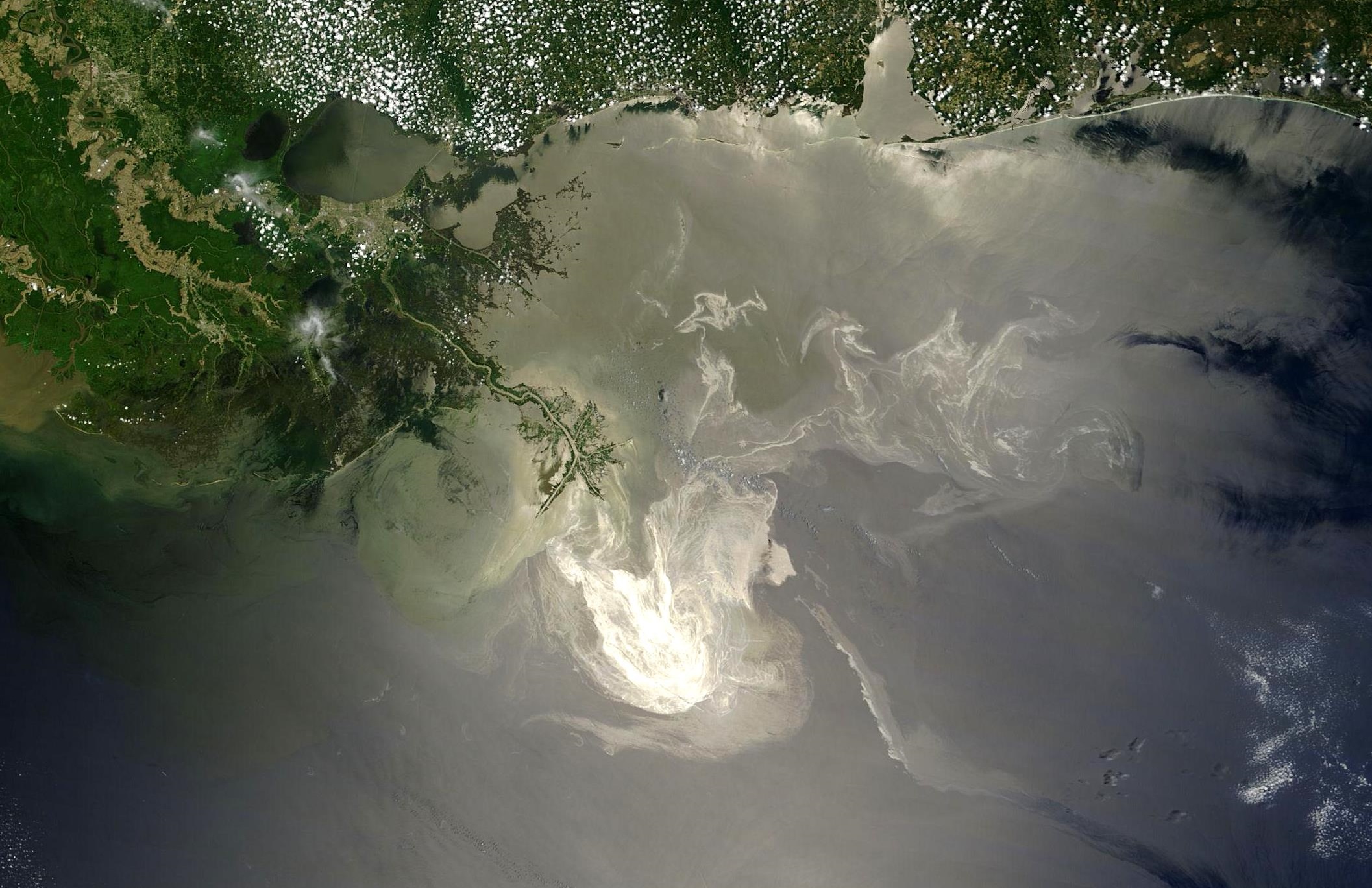
The lingering oil slick from DeepWater Horizon was imaged off the Mississippi Delta on May 24, 2010.

Spills of crude oil that devastate huge areas of the oceanic environment could be cleaned up by naturally occurring microorganisms. It’s one application of new research into how bacteria break down oil, which could also help oil companies assess the quality of new reserves. In 2010, the Deepwater Horizon oil spill released around 5 million … Read more