
In a zero-waste society, people will need to share and repair

Recycling can be inefficient when parts such as dashboards from cars are too hard to dismantle, says Felipe Maya.

Businesses and consumers need to stop thinking of products as things to own and move towards a culture of sharing and repairing if we are to fulfil the ambition of creating a circular economy, according to Felipe Maya, project and innovation manager at sustainable engineering firm Exergy, headquartered in Coventry, UK. Maya and his colleagues … Read more
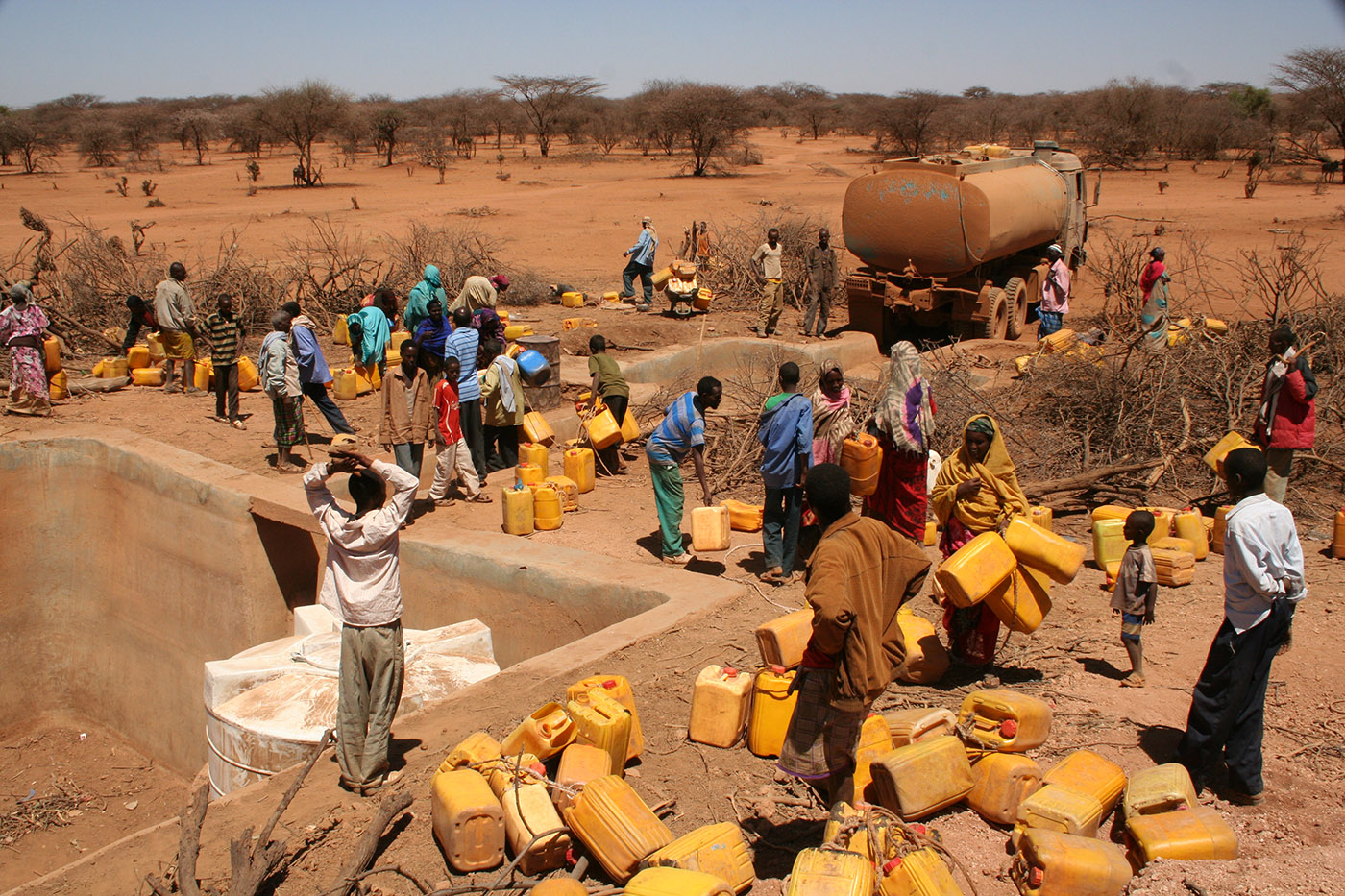
Climate actions that lift people out of poverty are often most cost-effective

Limiting global warming to 1.5°C would save hundreds of millions of vulnerable people from being exposed to the extremes of a 2°C world.

The most cost-effective climate change actions are also those that could help us achieve sustainable development goals (SDGs) such as ending poverty and hunger, according to Dr Keywan Riahi, director of the energy program of the International Institute Applied Systems Analysis (IIASA) in Austria, who says the first step should be to cut our energy … Read more

Studies linking green space to lower suicide risk are ‘just a snapshot’

When assessing the link between surroundings and mental health, researchers need to look at people's entire lives, says Dr Helbich.

Research suggests that where we live can affect our mental health but Dr MarcoHelbich, an urban geographer at Utrecht University in the Netherlands, believes these studies only offer a limited snapshot of our lives. Using a smartphone app and register data, he is tracking people through their daily routines and their residential history to see … Read more

Models of dinosaur movement could help us build stronger robots and buildings

Researchers are using computer simulations to estimate how 11 different species of extinct archosaurs such as the batrachotomus might have moved.

From about 245 to 66 million years ago, dinosaurs roamed the Earth. Although well-preserved skeletons give us a good idea of what they looked like, the way their limbs worked remains a bigger mystery. But computer simulations may soon provide a realistic glimpse into how some species moved and inform work in fields such as … Read more

Scientists want to use dirty nappies as a source of raw materials

The hardest part about recycling used nappies is opening them.

Thousands of soiled nappies that were destined to clog Italian landfill sites or incinerators are being redirected to a recycling plant that is turning them into streams of high quality raw materials, in a new process that it is hoped will be replicated around Europe. Every day, new parents find themselves sucked into the environmentally … Read more

Seaweed-powered trucks – hope or hype?

The infrastructure for turning seaweed into a sustainable alternative for livestock feed, chemicals and energy is still in its infancy.

Seaweed has long been touted for its potential as a sustainable ingredient for biofuels, green chemicals and biodegradable materials, but scaling up production to industrial levels in a way that maintains its environmental credentials is proving a real challenge for scientists. ‘The potential is there, all the data points to it,’ said Dr Jaap van … Read more