Since 2017, the DrugAge database has been a resource cataloguing longevity studies for many substances fed to animals in lab experiments. A preprint by Parish et al was recently posted to the bioRxiv website which assessed the quality of these various studies and sought to draw conclusions.
Parish et al include a table of drugs (including supplements) that have been tested for life extension in different model animals. One of the first conclusions they draw is that the correlation between what works in mammals and what works in simple animals is very low (r=0.28, not statistically significant). Of course, it is much cheaper and more convenient to work with worms or flies instead of mice, but the chances are that our experience there will not carry over to mammals like us.
Taking this to heart, I have ignored the part of the table devoted to invertebrates, and sorted the results according to average lifespan increase in mice or rats. The second column tells us how many experiments have been reported and (in parenthesis) the total number of animals averaged from all these experiments.
All reported life extensions in mammals are modest, with the best achieving 10-20% increase. (In contrast, much longer percentage increases are available for shorter-lived fruitflies and lab worms.) Here’s my perspective: Aging is the result of an evolved adaptive program, each animal regulating its own lifespan in response to perceived environment. Lifespan is under the body’s control, with a flexible response in the range of +/-20%. My interpretation of lifespan extension technologies in the DrugAge is that they all work within the inherent flexibility of the program, tricking the body into thinking that circumstances justify lifespan toward the higher end. In mice we might get 10-20% enhancement with this model, but in humans the corresponding flexibility is more limited, and we can expect 10 extra years at the outside. 10 extra years is, of course, well worth the effort. But I believe there are larger potential benefits from hacking (defeating) the signaling system to go beyond the programmed range of flexibility. This is why I’m so enthusiastic about exosome therapies.
(If you have no patience for the details, jump ahead to a brief summary at the end.)
| Compound | # Mammal Experiments (Total N) | # Nonmammal Experiments (Total N) | Mammal SMD (p) | Nonmammal SMD (p) | Mammal % Increase in Lifespan | Nonmammal % Increase in Lifespan |
| Ascorbic | 1 (24) | 3 (404) | 0.94 (0.038) | 0.03 (0.91) | 19.60% | 2.00% |
| Simvastatin | 1 (682) | 1 (400) | 0.3 (0.0001) | 0.69 (<0.0001) | 19.00% | 12.60% |
| Royal jelly | 1 (22) | 4 (2308) | 0.84 (0.060) | 0.48 (0.0041) | 17.90% | 14.10% |
| Skulachev quinone (SKQ) | 1 (50) | 1 (850) | 0.86 (0.0038) | 0.27 (0.0001) | 15.10% | 8.00% |
| Epithalamin | 2 (171) | 2 (812) | 0.85 (0.0047) | 0.23 (0.0009) | 14.90% | 5.70% |
| Taurine | 1 (122) | 1 (470) | 0.8 (<0.0001) | 0.6 (<0.0001) | 14.50% | 20.40% |
| Calcium pantothenate | 1 (74) | 1 (197) | 0.47 (0.047) | 0.56 (0.0001) | 12.60% | 5.30% |
| Vitamin E | 1 (47) | 10 (1621) | 0.57 (0.055) | 2.2 (0.17) | 12.50% | 6.50% |
| N-acetylcysteine | 1 (32) | 8 (4006) | 1.02 (0.0068) | 0.55 (0.0003) | 12.30% | 15.30% |
| Phenformin | 1 (54) | 1 (594) | 0.6 (0.033) | 0.27 (0.0011) | 11.60% | 28.50% |
| Berberine | 1 (44) | 1 (360) | 0.91 (0.004) | 0.06 (0.58) | 11.40% | 4.60% |
| Estradiol | 1 (370) | 1 (124) | 0.33 (0.0021) | 0.7 (0.0002) | 11.30% | 17.80% |
| Epigallocatechin gallate | 1 (60) | 7 (1692) | 0.52 (0.047) | 0.35 (<0.0001) | 11.20% | 16.90% |
| Melatonin | 3 (160) | 3 (344) | 1.07 (0.0041) | 0.83 (0.013) | 11% | 16.30% |
| Magnesium lthiazolidine carboxylate | 1 (75) | 1 (331) | 0.45 (0.053) | 0.69 (<0.0001) | 9.10% | 21.40% |
| Spermidine | 4 (360) | 3 (600) | 0.56 (0.0004) | 0.38 (<0.0001) | 9.00% | 22.00% |
| Rapamycin | 12 (2100) | 6 (1919) | 0.33 (0.0052) | 1.84 (0.11) | 7.90% | 21.90% |
| Curcumin | 3 (293) | 8 (3869) | 0.45 (0.001) | 0.42 (0.004) | 7.20% | 8.40% |
| Alpha-keto glutarate | 1 (44) | 4 (769) | 0.83 (0.0088) | 0.49 (<0.0001) | 6.80% | 20.00% |
| Icariin | 1 (101) | 1 (321) | 0.25 (0.21) | 0.43 (0.0001) | 6.80% | 28.90% |
| Dinitrophenol | 1 (60) | 1 (40) | 0.54 (0.042) | 0.81 (0.014) | 6.20% | 7.90% |
| Nordihydroguaiaretic | 2 (455) | 3 (480) | 0.30 (0.37) | 0.58 (<0.0001) | 5.80% | 25.80% |
| D-glucosamine | 1 (146) | 1 (848) | 0.51 (0.0024) | 1.59 (<0.0001) | 5.50% | 2.70% |
| Oxaloacetate | 1 (310) | 1 (144) | 0.11 (0.32) | 0.42 (0.013) | 4.00% | 20.00% |
| Nicotinamide | 3 (370) | 3 (1365) | 0.25 (0.083) | 1.99 (0.24) | 3.10% | 19.40% |
| Metformin | 5 (519) | 8 (3088) | 0.06 (0.80) | 0.42 (<0.0001) | 3.00% | 18.50% |
| Aspirin | 3 (471) | 4 (880) | 0.07 (0.50) | 0.65 (0.017) | 1.00% | 16.20% |
Ascorbic acid (vitamin C)
In Parish’s table, this ranks first with just one study and an average over 24 animals of 19.6% life extension. The study was by Massie (1984), and it reports 8% average increase. I don’t know where the figure 19.6% comes from, and the article is behind Karger’s paywall.
Simvastatin
Simvastatin is a statin drug (Merck, patent expired), and (disclaimer) I’ve long been suspicious of statins. The single quoted study (Miller, 2011) was by scientists I trust at Jackson Labs, who should have had no conflict of interest. The focus of the study was rapamycin — not simvastatin — but simvastatin was used as one of several controls. As far as I can see, the study did not report any increase in lifespan from simvastatin. I don’t know where the 19% in the table comes from.
Royal jelly
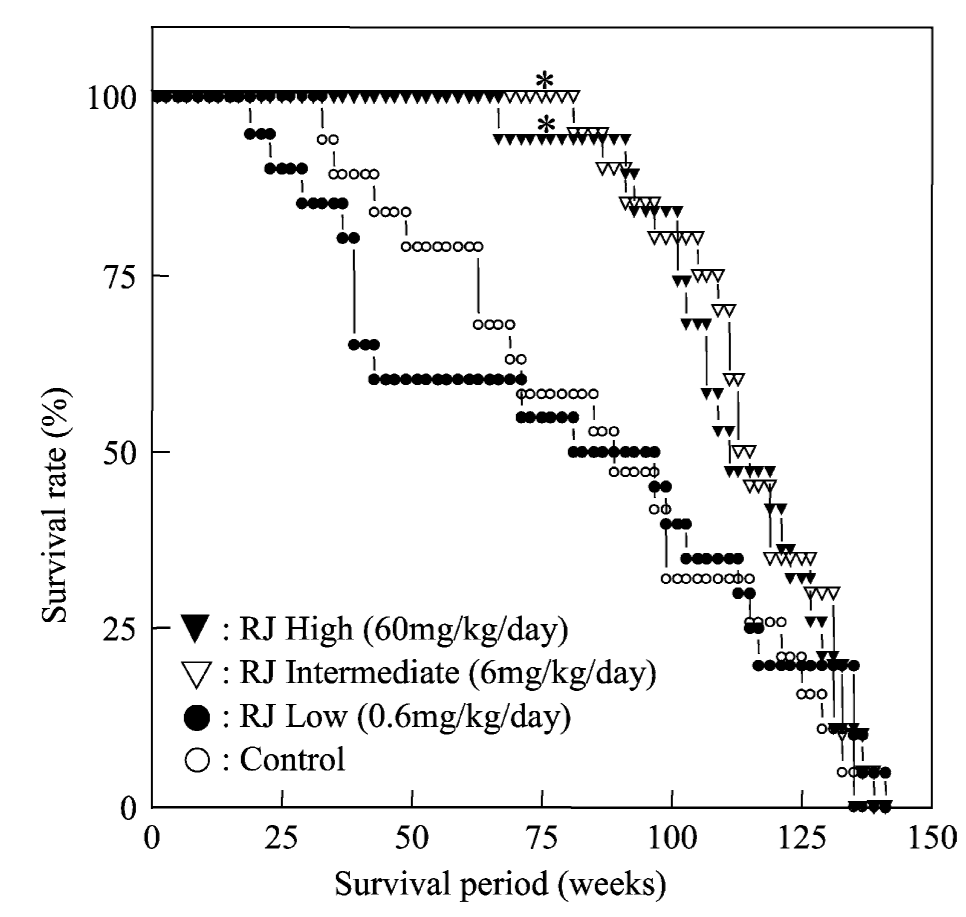
This is the mix of compounds that worker bees generate and feed to their queen. Queen bees live for up to 20 years, while workers (with the same genome) die after just a few weeks. There is one study (Inoue 2003) in the DrugAge database feeding royal jelly to mice, and yes, at higher dosages, 15 mice lived an average 25% longer. As you can see below, early mortality was greatly reduced, but maximum lifespan wasn’t affected.
RJ is a natural antibiotic, and it is possible that the suppression of early mortality derives from prevention of infection. It is also possible that RJ selectively favors good bacteria in the gut. Here is a study in which RJ increased neural health and cognitive performance in aging rats. I would think that RJ deserves more study.
SkQ
Half a century ago, the late great Vladimir Skulachev modified the CoQ10 molecule to a form that would be attracted into mitochondria, where it is most needed. Later, his and similar molecules were studied by Michael Murphy and Robin Smith in New Zealand for life extension benefits. Today, there are products from Russia and from NZ with similar forms of mitochondrial-targeted quinones. (The Russians are based on plant-derived plastiquinone, which they say is a more powerful antioxidant than CoQ10.)
I can’t find SkQ in the DrugAge database. But there are several mouse studies out of Vladimir Anisimov’s St Petersburg laboratory. In this one, SkQ increased lifespan of outbred mice (closer to wild type), but not the inbred laboratory strain. I would like to see Western labs replicateand expand on the promising Russian studies.
Epithalamin
Peptides are short proteins, in this case just 4 amino acids. Epithalamin is one of the peptides developed and tested by (again) Anisimov’s lab group. “Epithalamin” refers to the “dirty” set of peptides derived from the pineal gland, among which the 4-amino-acid peptide called epitalon is assumed to be the active ingredient. But in the DrugAge database, epithalamin is a super-star, with 15% life extension, and epitalon is a loser, with no average life extension whatever (in rodents). This is curious.
In the DrugAge database, there is one study each, both from Anisimov et al, for eiptalon and epithalamin. The negative result for epitalon is well-documented and new. The positive result for epithalamin is based on re-evaluation of poorly-documented studies from the past, 1979-92. This is disappointing.
Taurine
Taurine is an amino acid, but it is not one of the 20 amino acids that are linked together to make proteins. It is non-essential, meaning that our bodies can synthesize it even if we don’t have any in our diet. “Nevertheless, considering its broad distribution, its many cytoprotective attributes, and its functional significance in cell development, nutrition, and survival, taurine is undoubtedly one of the most essential substances in the body.” [ref] The same reference argues that taurine is broadly neuroprotective, especially in the eye. Fun fact: it can protect you from Chinese Restaurant Syndrome(msg). Taurine levels in human blood decline with age, but increase in response to exercise — generally signs that more might be helpful.
There is one study in DrugAge (Singh, 2023). “Mechanistically, taurine reduced cellular senescence, protected against telomerase deficiency, suppressed mitochondrial dysfunction, decreased DNA damage, and attenuated inflammaging.” Mouse lifespan increased about 10% (Parish says 14% — I don’t know where that comes from.)
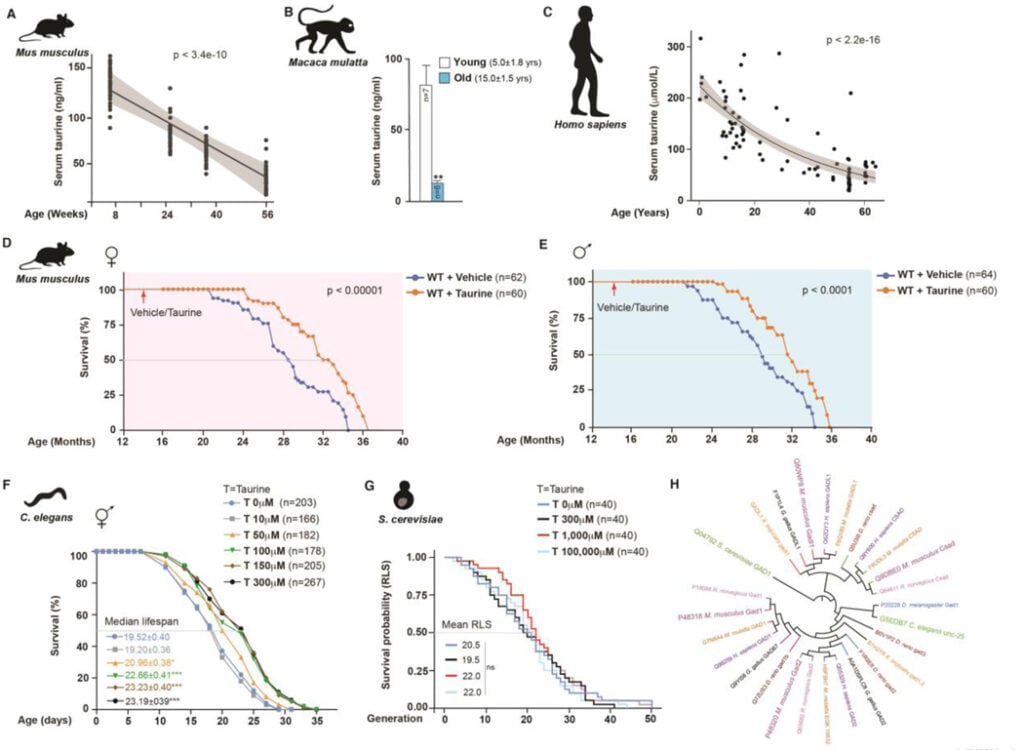
I hadn’t been aware of the promise of taurine until reading this. I’m going to add taurine to my supplement stack, and eagerly await more experimental results. Note that the dosage in the mouse experiments is quite high — 0.1% of the body weight every day, meaning about 2 ounces a day for me (70 kg). It doesn’t have much taste, so can be added to smoothies. Two ounces is too much to take in pill form.
Calcium pantothenate
Pantothenic acid is a B vitamin (B5). DrugAge has one study from 1958 that has never been repeated, because pantothenate is thought to be in good supply in the normal human diet. The 1958 study reported a 20% lifespan increase in mice, however the lifespans of control mice was suspiciously short.
Vitamin E
The DrugAge database refers to the same Sohal study referenced above. In the original paper, there is no lifespan increase for supplementation with vitamins A, C, or E. I don’t know why Parish reports a 12% increase.
N-Acetylcysteine (NAC)
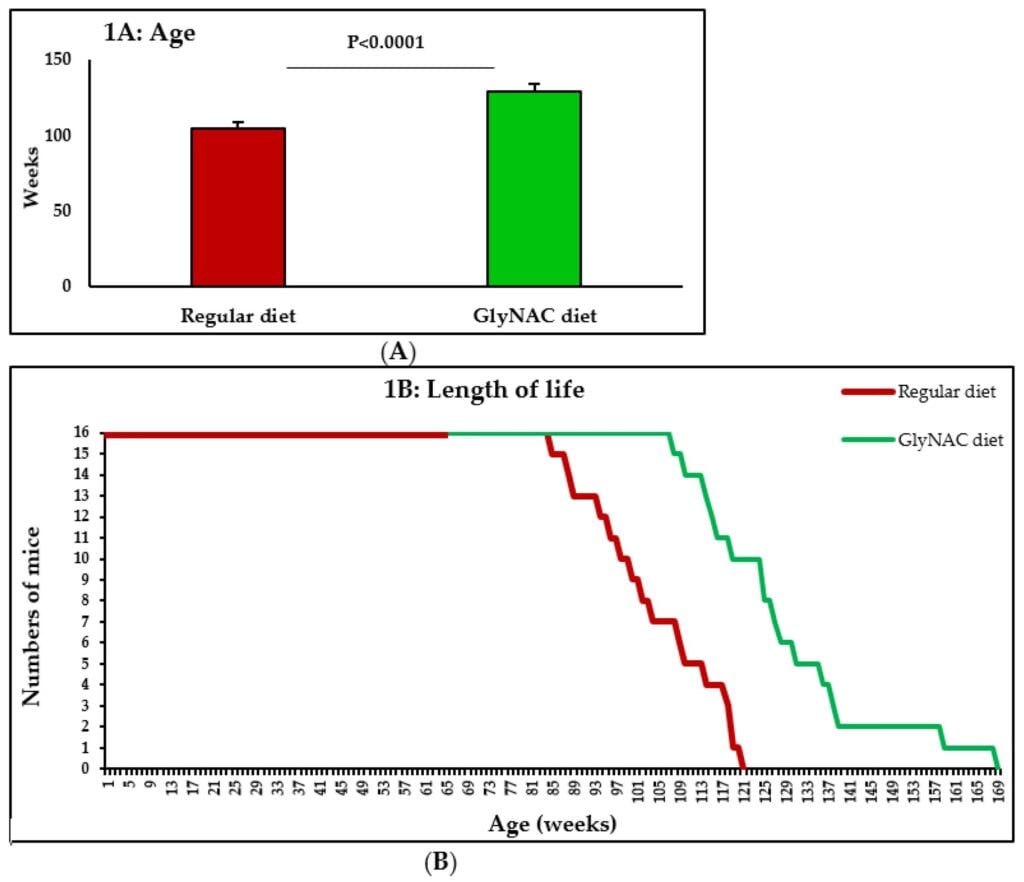
This is a precursor to glutathione, and the most accessible way to boost glutathione levels. I’m prejudiced because I’ve already touted NAC as my favorite supplement, In DrugAge, I found a single study from some of my favorite people at Jackson Labs (2010). Not mentioned was a more recent study in which NAC was given in conjunction with glycine (an amino acid), and which showed a large LS benefit. 
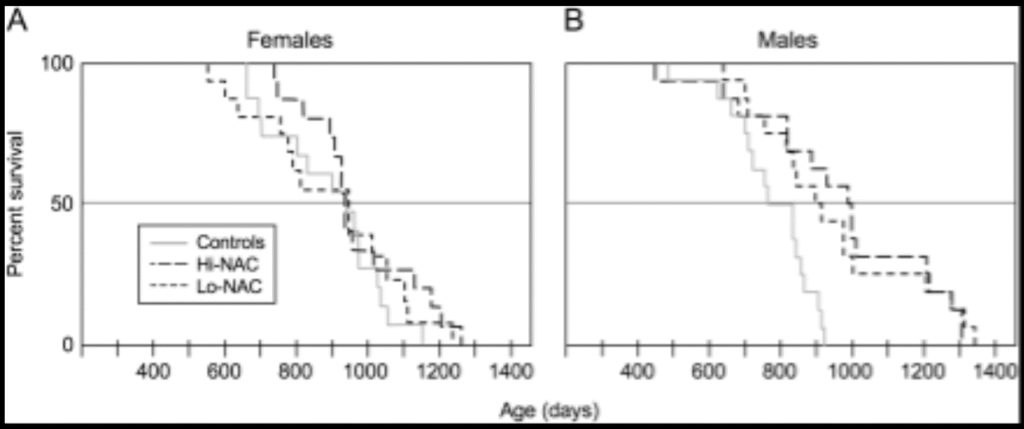
The graph below is from the Jackson Lab study. The males enjoyed a whopping 20-30% lifespan increase, depending how you measure it. The female controls were living longer, and the NAC didn’t add significantly to their LS. 
I think there is plenty of evidence now to justify life extension enthusiasts taking NAC, possibly in conjunction with glycine. But more studies would be most welcome.
Metformin / Phenformin / Berberine
Metformin is tried-and-true anti-diabetic drug which incidentally lowers risk of cancer and dementia. It has been a natural go-to for life extension enthusiasts. Phenformin is a higher powered version, but regulatory agencies have declared it too dangerous for use in humans because of risk of lactic acidosis. Berberine is a herbal supplement which offers similar benefits to metformin or phenformin, but without the side effects. Metformin has been studied a great deal more than either berberine or phenformin.
In the DrugAge database,
- There is one study finding that Berberine leads to a 16% increase in mouse lifespan. (I don’t know why it is listed in Parish’s table as 11%.)
- There are five studies including metformin (one, two, three, four, five), with results ranging from negative LS benefit (life shortening) for female mice to positive 38% LS increase. The table in Parish reports an average 3%.
- There is one study for phenformin, reporting life extension of 21% in female mice (but not female rats). Again, I don’t know why the table in Parish record 11% benefit.)
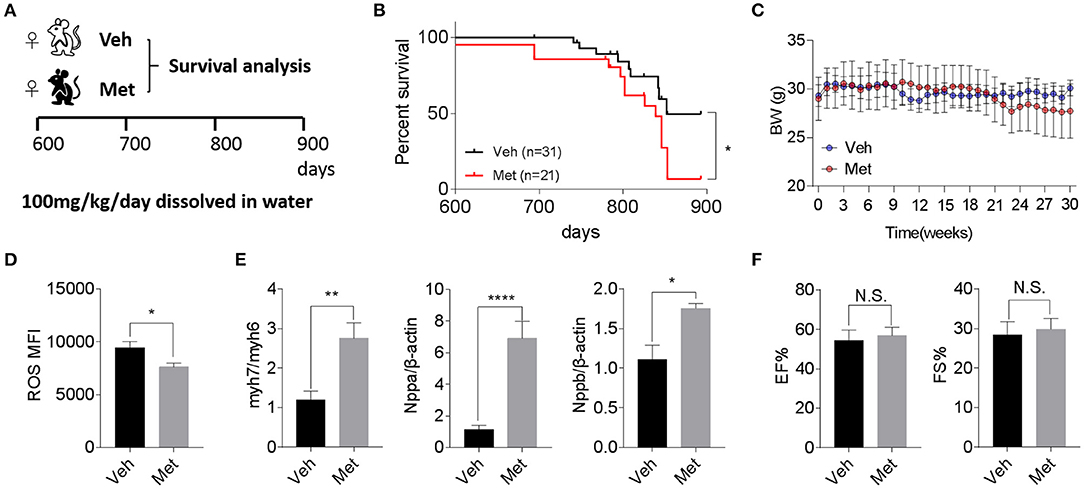
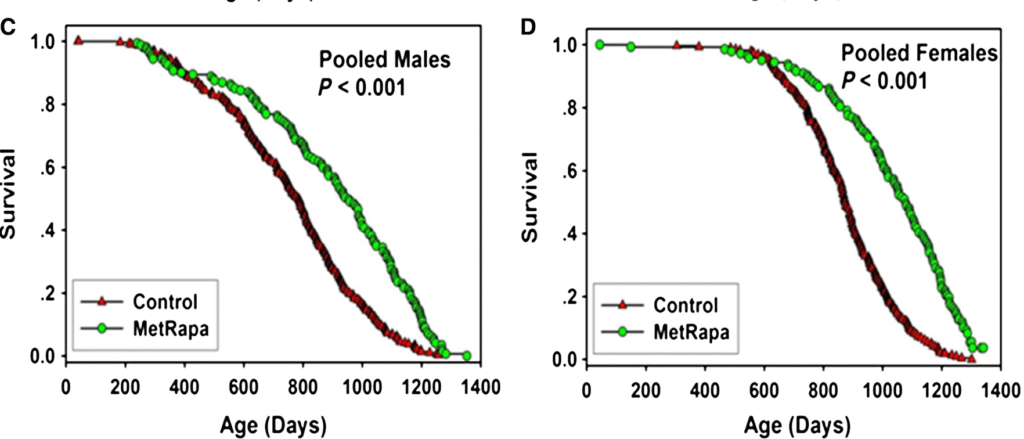
In the Strong study (2016) a combination of metformin and rapamycin achieved the best results. You can see that median lifespan increased about 20%, mean LS somewhat less, and max LS not at all. The modest improvement in LS from this combination is sobering, since
- Metformin and rapamycin are arguably the two compounds for which there is the most robust evidence for life extension in rodents, and
- There are theoretical and experimental reasons to believe that the combination synergizes to offer better results than either compound separately.
I have written in the past that combinations of treatments are a vast, unexplored territory from which new results should be sought. In practice, people seeking life extension almost always take a combination of supplements, interactions among which are completely unknown.
17α-Hydroxyestrone
This is a steroid hormone akin to estrogen. There are 4 studies in the DrugAge database feeding 16α-Hydroxyestrone to mice. 12-19% LS increases for male LS are reported, but for females the results or null or, sometimes, negative. The results come from authors I trust at Jackson Labs.
Epicatechin in the form Epigallocatechin gallate
Epicatechin is a flavinoid derived from chocolate. One of the happiest results in epidemiology is that people who eat chocolate live longer. In a single Chinese study of EGCG, lifespan of rats increased 14%. (The table in Parish says 11%.)
Melatonin
Dr Walter Pierpaoli has been a lifelong advocate for melatonin, including popular books and lab research. Melatonin is popularly known as the pineal hormone that regulates sleep/wake cycles; but melatonin is also essential to mitochondrial function, and there is far more melatonin in our mitochondria than in our bloodstreams. The DrugAge database lists just two studies, Pierpaoli (1994) found a 17% increase in mouse LS and Anisimov (2001) found a 7% increase and warned of an increase in tumor frequency.
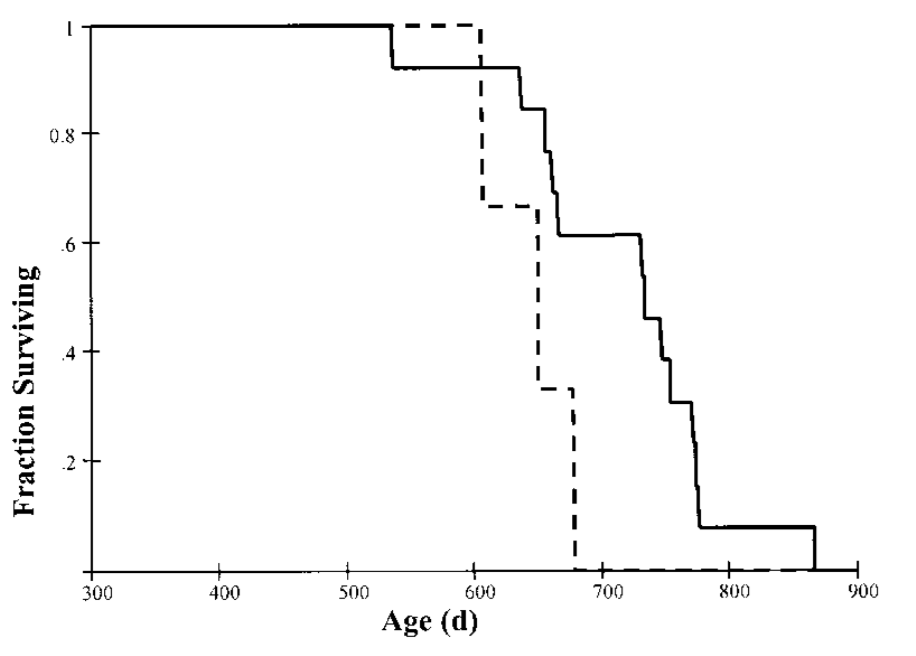
The Pierpaoli experiment timed the melatonin to circadian rhythms, and Anisimov did not.
Magnesium
Magnesium is listed in the Parish table with a 9% LS benefit in mammals, but I was unable to find rodent studies in DrugAge involving magnesium. Searches in PubMed and Google Scholar also turned up no mouse LS studies of magnesium. (I take magnesium supplements myself for control of blood sugar and prevention of muscle cramps.)
Spermidine
Spermidine is a simple molecule with benefits as anti-inflammatory and pro-autophagy. I wrote about spermidine last year. There are two spermidine mouse studies in the DrugAge database, Yue (2017) and Eisenberg (2016)
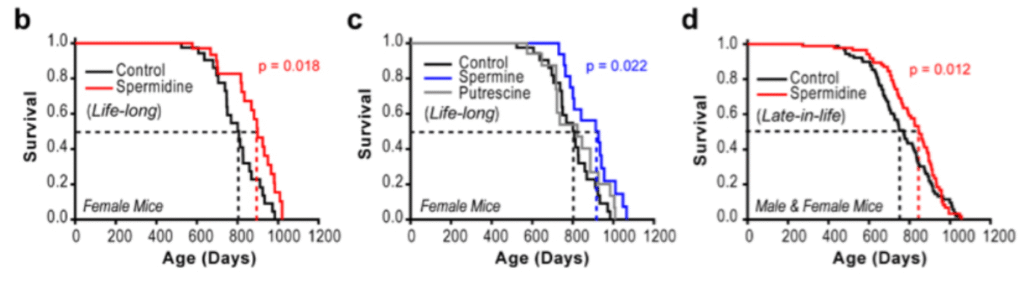
Spermidine supplementation provided modest life extension benefits even when started late in life, but dosage was large compared to supplement pills that are commonly available.
Rapamycin
After a Jackson Lab study found impressive LS improvement for rapa fed to mice late in life, (Harrison, 2009), there was a great deal of enthusiasm for a new longevity pathway. Sixteen years later, there are 12 rodent studies in DrugAge — more than any other substance — but results are less spectacular. Parish computes an average of 8% lifespan increase, which puts rapa far down his sorted list. This is an artifact of averaging high and low dosages, pulsed and steady, late and early administration. I personally believe rapa is more promising than the 8% would indicate.
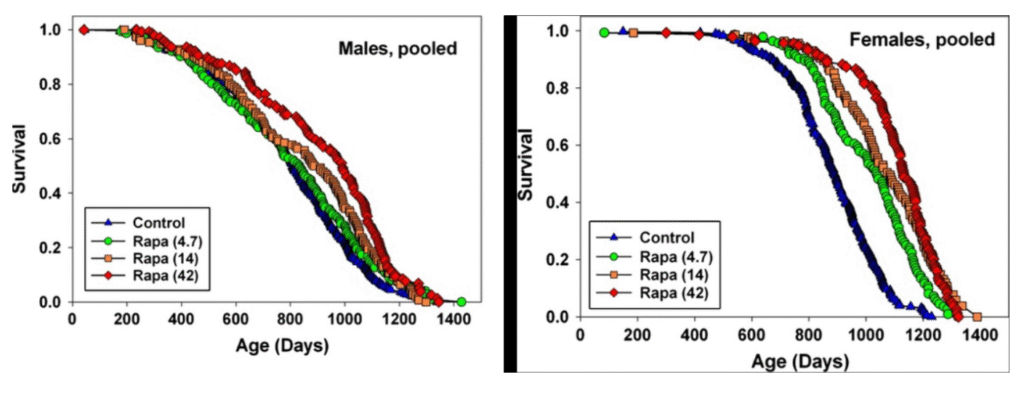
The highest dosage corresponded to 26% LS increase in the most optimistic study, also out of Jackson Labs. People who look at the detailed biochemistry distinguish between Rapa-1 and Rapa-2, and suggest pulsing the dosage in humans. Personally, I take large doses of rapamycin 2 days a week, 8 weeks per year. For personalized recommendations, you can consult your favorite life extension doc.
Curcumin, fish oil, Boswellia and aspirin
I group these together because they are all anti-inflammatory agents. I believe that countering chronic inflammation is the most robust way to extend human lifespan.
There were two rodent studies in Drugage which are listed under “curcumin”. Katani (2007) found 10% LS increase in mice. The other was Knoll (2016), and in fact it is about deprenyl and BPAP, not related to curcumin.
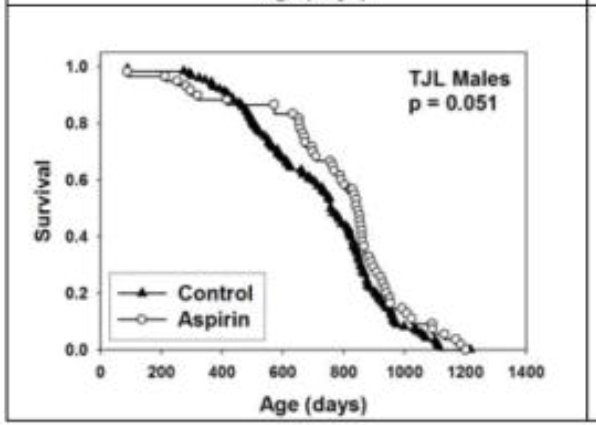
Miller (2019) found no benefit from aspirin. Strong (2008) found a small benefit for male mice. 
Fish oil is not in the Parish chart, but is in two DrugAge studies. Spindler (2014) found that fish oil and krill oil shortened mouse LS. Strong (2016) reported no benefit. I would qualify these results by noting that mouse lipid metabolism may be different from that of humans in significant ways. Boswellia is neither in Parish nor in DrugAge, but it is a safe and ancient anti-inflammatory herb.
Alpha Ketoglutarate (AKG)
In the Parish chart, AKG is associated with a 7% longevity benefit. There are two studies in DrugAge. Shahmirzadi (2020) reported a modest benefit in females more than males.
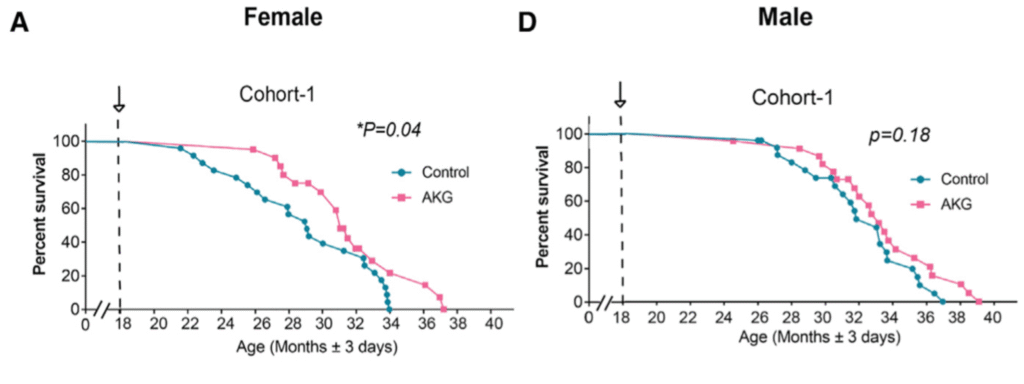
Miller (2024) report no benefit for AKG.
Creatine
Creatine is popular among body-builders, and Rhonda Patrick has been enthusiastic about benefits lately. It is left out of the Parish database, but it is in DrugAge, and Bender (2007) reports an 8% LS benefit in mice.
Glucosamine
Glucosamine is also omitted in Parish, but there are entries in DrugAge that show some promise. Weimer (2014) reports modest LS benefit for glucosamine administered late in the mouse lifetime.
Deprenyl (Selegiline)
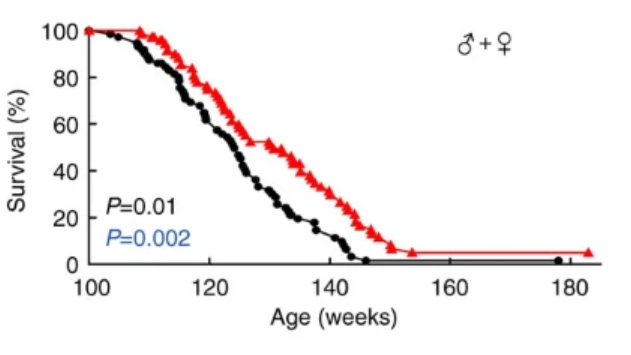
Deprenyl is one of the oldest life extension interventions (Knoll, 1968), but it is not in the Parish list. It is sold as a psychiatric drug under the names selegiline, eldepryl, emsam, and zelepar. In DrugAge, there are four rat studies and one mouse study, also one dog study.
The dog study found a survival benefit for dogs started on deprenyl late in life. Archer (1997) reported 6 to 9% increase in LS for mice when started late in life. Kitani (2005) reported 8% increase in rats, also begun late in life. Milgram (1990) reported a 17% LS benefit in rats. I don’t understand why deprenyl was excluded from the Parish study.
Losers
Every other popular supplement, including CoQ10, Alpha Lipoic Acid (ALA), NMN, NR, DHEA and Quercetin, had no effect on lifespan, or worse.
Summary
My favorites from this list are Melatonin, Berberine, NAC, Rapamycin, and Selegiline. I can recommend the first three unequivocally. Rapamycin has down sides that you should consider, and Selegiline has effects on mood and energy that you may like or dislike. Personally, I take a variety of anti-inflammatory supplements, and I’m glad to have an excuse to eat dark chocolate. I don’t know why there have been no mouse studies of vitamin D. There are broad benefits from vitamin D, and I would be surprised if they did not include life extension.
All these drugs and supplements act within the built-in plasticity of the aging program, which is about 20% in rodents, but only 5 – 10% in humans. It is unlikely that we can stack the supplements and expect more than a few extra years of lifespan for our effort. The best reason to take multiple life extension supplements is to hedge our bets, because we really don’t know which of them are effective in humans.
Your primary life extension program is diet and exercise. Choose a diet that works for you. Stay slim. Fast for short intervals regularly, and longer fasts as they feel good to you. Choose a variety of physical activities that are self-motivating and include interval training, strength training, flexibility, balance, and endurance. Supplements and drugs are secondary.
Discover more from Josh Mitteldorf
Subscribe to get the latest posts sent to your email.
Geroprotective effect of epithalamine (pineal gland peptide preparation) in elderly subjects with accelerated aging
https://sci-hub.ru/https://doi.org/10.1007/s10517-006-0365-z
It’s true, there have been a lot of promising studies of peptides from Anisimov and Khavinson at St Petersburg, in animal models and in humans. If I remember right, they cut the mortality rate of nursing home patients in half with epithalamin. Why haven’t any researchers in the West taken this up?
FYI; Dr. Alan Green mentioned in the rapamycin section passed away about a year ago.
Thanks for letting me know. I’m removing the reference from the text above.
Peptides of pineal gland and thymus prolong human life.
http://khavinson.info/downloads/2003-Khavinson_Morozov.pdf
Thanks, Charles. I’m aware of the Russian studies, and I’ve written about them in this column. I wish there were Western replications. In the meantime, I regard peptides as a promising anti-aging avenue.
The Sohal study you linked to regarding vit c used houseflies, didn’t it?
Yes, both flies and mice in that study.
I mean exclusively houseflies. The link given is for this paper: “Effects of exogenous antioxidants on the levels of endogenous antioxidants, lipid-soluble fluorescent material and life span in the housefly, Musca domestica.” In which there is no mention of mice or mammals in relation to vit c.
Thank you, Dean – this was my mistake. The proper link should be https://pubmed.ncbi.nlm.nih.gov/6519438/ by Massie (1984), not Sohal.
I’ll change it in the text.
Taurine dose in the study’s supplementary file was: “Mice were gavage-fed with vehicle or taurine (1000 mg per kg body weight) daily from 14 month and the treatment continued till the end of their life.”
(1 g x .081) x 70 kg = 5.67 g human equivalent
Where does the 0.081 come from?
That’s the body surface adjustment for mice to humans. Twice that (.162) for rats.
Yes, i just posed this! Two ounces daily of taurine is far too much.
Yes, I was wondering what the “ounces” and grams equivalent might be, as I take taurine daily, but only 600 mg, I think (a lot of supplements have single pills at that dose). What would be the best amount to take daily that combines the cost effective part?
Also, with NAC does it really need to be with glycine? Royal Jelly seems good but also is far more expensive or hard to acquire.
Great point at the end emphasizing exercise (smart, not necessarily hard, and please walk people!) and diet. Thanks again Josh for the summary.
Even though dosage is commonly quoted in “mg/KG”, which is proportional to body weight, it is common to argue that dosage scales as SURFACE AREA rather than BODY WEIGHT (which is proportional to volume). As you point out, this can make a huge difference if the size difference is as great as that between mouse and human.
Klieber’s Law (should be called “Klieber’s rule”) suggests that metabolic rate scales as the 3/4 power of body mass. Surface area scales as the 2/3 power. If a mouse weighs 30 g then a mouse dosage of 1,000 mg/Kg corresponds to 0.03 g. Scaling to my weight of 70 Kg
+ Full 1,000 mg/Kg is 70 g = 2.5 oz
+ Klieber scaling (3/4 power) is 10 g
+ Surface scaling (2/3 power) is 5.2 g, about a teaspoon
Scalings are derived from toxicity studies, not studies of effective dosage.
I think these theoretical scalings are just rules of thumb until human dosage for any particular substance can be established. That said, I agree it’s impractical to take 2.5 oz of taurine a day.
Another guess: Taurine is an amino acid, related to protein constituents, though not a protein in itself. If taurine consumption scales with protein input then a human might need 100 times as much as a mouse, since mice are typically fed 0.6 to 1 g protein per day and humans get 60-100 g protein per day. A dosage of 0.03 g for a mouse would correspond to 3 g for a human — small enough to take by a few pills.
I reviewed the evidence in my own way here: https://mylongevityjourney.blogspot.com/2022/08/a-short-summary-of-antiaging.html
Anyone is welcome to review & comment on it (in whatever forum they prefer).
These recommendations are more in accord with mainstream Western medicine, but I believe that, for some of these, Western medicine has it wrong. I don’t like statins or blood pressure meds. I do like vitamin D.
Interesting, I’ve always thought antihypertensive were more impactful than most things for prolonging people’s lives, with the caveat that most people had high bp due to being overweight, etc.
*By the way, above the dose for taurine I saw was 1g pills, so should one take twice that or more daily?
The condition and lifespan of animals and people depends on food. According to ICD data, this is due to the magnetic field strength of hydrogen atoms in food. The greater the proportion of hydrogen atoms in food with a magnetic field strength of hydrogen atoms of 44,444,444 A/m, the better the condition of the body and the longer the biological organism lives. The magnetic field strength of hydrogen atoms can be increased by meaningful expressions from people who have access to the information field. Such experiments are currently being conducted. The properties of food can be improved by words. This is unusual, but the unusualness is due only to our ignorance. The specified magnetic field strength is a regulator of the rejuvenation of a biological organism.
This reasoning is outside my belief system.
Seriously, I wonder what he thinks about the precession of H atoms in MRI and whether that is bad for people long term – something that we don’t know in radiology, but don’t’ totally discount. I think he’s asked some weird permission questions to you in the past, so I’m not sure if the poster is real or more of a voodoo type self help guru.
Hi, I would like to add a suggestion regarding nutrition.
It is possible that the consumption of lectins is related to many inflammation problems and their subsequent consequences. This document may be a good place to start reading about this topic. https://pubmed.ncbi.nlm.nih.gov/39502251/.
It is possible that if the reader is a strict vegan, they will reject the conclusions and not read any further (free will)…
Thanks Josh for you work.
Generally internet wisdom is using CoQ10 (in the life span “losers” section) when on statins. Any take on that? Thank you.
Yes – I don’t recommend statins, but if you’re going to take them, you definitely need to supplement CoQ.
Thank you Josh. Taking 10 mg rosuvastatin and ~150 mg CoQ10 (w fatty meals). Happy you agree on CoQ.
A question, Josh: what is your general opinion of MitoQ?
Thank you in advance.
I think it’s theoretically promising, and I wish we had data. There are some Russian experiments using a slightly different formulation in animal studies.
https://pmc.ncbi.nlm.nih.gov/articles/PMC3249450/
Thank you Josh, I am on my way to trying that supplement again for at least three months. A simple question, but not so simple. It is obvious that there must be synergy between the substances, as in plant formulations. I think you could help with the analysis because if we wait for the studies…
On the other hand, I would like to mention two Japanese products that I have replicated, barely managing to obtain the ingredients—and having exchanged friendly emails with the product developers regarding patent issues.
The products have also been tested on humans and, in my case, they have worked. Among other things, the yellowish color that had gradually spread across my face disappeared (68 years old).
https://ebn2.arkray.co.jp/english/agherbmix/
https://ebn2.arkray.co.jp/english/satonaceil/
I also mention an example link because I believe that in the several years of the journal you will find interesting studies.
Thanks
Nice summary Josh, if somewhat discouraging. Might try exosomes on my face and see what it does. It’s promising.
The BP med that I like is Rilmenidine. Works well and no side effects noted over one year.
My idiosyncratic view on blood pressure: Blood pressure is a symptom of arterial plaques that narrow the arteries. The plaques are a risk for heart disease, especially when inflamed, but BP in itself is not. Therefore, if you lower blood pressure without dissolving the plaques, you are not affecting CV risk.
Lowering salt is a particularly bad idea. https://scienceblog.com/joshmitteldorf/2014/04/03/salt-is-good-for-you/
But angiotensin inhibitors lower blood pressure in a good way, by making arteries more pliable. I can recommend angiotensin inhibitors, but I don’t know anything about the mechanism of action of Rilmenidine.
Vitamin K2 is known to improve elasticity of blood vessels. Is it any good in dissolving the plaques?
Vitamin K2 cannot dissolve cholesterol plaques. Nattokinase, serrapeptase, strontium citrate and EDTA in combination with Omly Trace Minerals are good for this.
K2 allegedly can dissolve calcium deposits in plaques. When I first used K2 I had [for some time initially] symptoms identical to calcium vein infusion. When I started using nattokinase, I had these symptoms again [for some time starting on 4th week on nattokinase]. So definitely K2 is working on atherosclerosis.
Hi, since the topic of natto has been brought up, I suggest Natto Active https://natto.pl/produkt/natto-active-nattokinaza-100mg-2000-fu-k2-mk7-60-kapsulek-750-mg-suplement-diety/
Vitamin K keeps blood vessels clear by keeping calcium out of the vessels and in the bones.
Hi Paul:
Are you still taking Rapamycin?
Hi Heather
Nice hearing from you. I completely agree about rilmenidine and I’ve been on it for a year also with good results, zero side effects, and some anti- aging evidence.
No, I stopped rapa after 6 years. Just not convinced that it does much in humans, great for mice though. Might go back, who knows.
Hi Paul:
That is why I stopped a while back, too.
I am thinking of pulsing it every 3 months or 6 months or 9 months at 1 mg because it is suggested that it still works for cellular cleaning when pulsed at long intervals.
Not sure, though.
Hi Heather,
Would you be kind enough to share why you are considering a dose as low as 1 mg? I would have thought that a pulsed long interval dosage at even greater than the typical 6 mg (when it’s taken on a weekly basis) might have been more indicated, as is the case for most of us who significantly increase the typical daily dosages when we pulse senolytics on an episodic basis. Thank you your time.
For the record — I take 5 mg rapa on Saturday and Sunday, 6 consecutive weekends a year, then no more until the next year.
I can’t justify this with any data — as you both understand, there is no human data on rapa and lifespan and scant evidence of benefit for methylation age.
Hi Brian Valerie:
The 1 mg pulse is self experimentation. I am taking numerous nutrients that act a similarly to Rapamycin. I experienced mouth-sore side effects at even 1 mg of Sirolimus taken once per week and even once per month.
Perhaps the nutrients were the reason. That was why I stopped using it.
I have read that even brief, transient therapy in mice had long term benefits after treatment was stopped.
Hence, the experimentation on my part. The 1 mg., dose, and timing is simply random on my part.
Here is a link to an article and an excerpt from it, that you might find interesting. There are other articles with similar hypotheses, if you do a search.
None use 1 mg and my specific planned timing, though. ( I see no reply button on your comment. So I hope you find this response. I clicked reply to my own comment )
https://give.uwmedicine.org/stories/brief-rapamycin-therapy-middle-aged-mice-extends-lives/
From the link: The researchers saw a gender difference when higher doses of rapamycin were given: males outlived the females. At lower doses, both male and female mice had longer lives, compared to untreated mice.
Higher doses can make female mice more susceptible to aggressive cancers of blood-forming cells and tissue. At the same time, middle-aged female mice receiving high-doses of rapamycin were less likely to develop other types of cancer.
The transient rapamycin treatment also changed the composition of the microbiome –the collection of bacteria and other microbes – in the guts of the mice. They had more segmented, filamentous bacteria of a type not usually present in high numbers in aged mice.
While these bacteria are not invasive, they adhere tightly to the cells of the intestinal wall and may encourage the formation of immune cells in the mouse. Otherwise, the influence of this gut microbiome change from rapamycin on the health of an animal, for good or bad, and whether the same thing happens in humans, has not been determined.
“The microbiota changes are an intriguing finding,” Treuting said, “and will be an exciting area of future aging interventional research.”
Kaeberlein explained that he and other researchers are interested in whether rapamycin could be given effectively short-term in people and their pets. Kaeberlein also heads studies of rapamycin treatment in canines in the Dog Aging Project.
Your later post also lacked a reply button, but thanks for the link to that interesting article. Since there have been no side effects for me, I’m continuing with my 6 mg weekly rapamycin protocol, but must admit that the wait for good evidence for efficacy in humans is making me at least a bit skeptical.
Josh
Thank you for sharing your Rapamycin schedule.
https://chrismasterjohnphd.substack.com/p/the-worst-longevity-idea-ever-conceived
Thank you for sharing, Ole, but Masterjohn has been criticized for cherry picking negative studies and ignoring all of the positive ones. For example, he stressed the cardiac scarring (which was only seen in very high dose protocols!), but ignores several studies that show that rapamycin improves cardiac function. He has also been accused of unobjectively overly-promoting his own protocols that he sells to his subscribers.
I am quite skeptical about the mentioned anti-aging drugs. After all, we know that aging is poisoning and all diseases of old age arise as a result of damage to the organism by noxious substances. US presidents and their wives, including the royal family, have been using an antidote against the poisoning of old age for 60 years. These substances have no negative effects. I studied this discovery 45 years ago, and I am amazed at how well it was kept secret.
I have a different theory of what causes aging. Even with no toxins, the body is in the business of destroying itself with inflammation and apoptosis as we get older.
https://scienceblog.com/joshmitteldorf/2013/07/01/the-demographic-theory-of-aging/
Here are some articles that talk about DNA double-strand breaks as a cause of aging.
https://www.fightaging.org/archives/2025/01/evidence-for-mutational-damage-as-a-cause-of-age-related-epigenetic-change/
https://www.fightaging.org/archives/2022/05/dna-double-strand-breaks-in-the-context-of-tauopathy/
Doctor, in your opinion, what product or substance effectively detoxifies the human body?
I am familiar with coriander and have used it, though not regularly, due to its side effects.
I have also done external panchakarma—perhaps this year I can do internal panchakarma—and then I have taken Rasayanas for specific personal situations with good results. I consider this method very good for resetting oneself, this place being the most renowned (https://fazlaninaturesnest.com/), but there were yogis who did it without so much luxury and achieved their goal of extending their lives.
I have also tried teas and I have the pills (rinchen rilbu) from Tibetan medicine and other similar ones—https://futurealchemy.com/-—which deserve my respect, but I have not yet taken Amrit-Dutsi rilbu because I must detoxify myself well beforehand so that it has the correct rejuvenating effect—Crowley spoke about this in a confidential book, 343.
For this reason and your precise comment, I am interested in learning about the detoxification method you mention, which may be more effective than those indicated by the disciplines I mentioned.
Thanks in advance for your comments.
The only detox agents I know about are chelating agents (e.g., EDTA), Kambo, and saunas, Also NAC and silymarin for the liver.
No, I don’t think aging is about accumulated poisons. In fact, poisons in small doses can extend lifespan. Radiation hormesis is real. A dramatic example is that worm lifespan can be greatly extended by exposing them to paraquat!
Aging is something the body does to itself, and it happens with or without environmental toxins.
And now there are low dose X-rays used to remove skin cancers and small superficial tumors.
IG-SRT uses a low dose of X-rays to precisely target and destroy cancer cells in the superficial layers of the skin.
The treatment is guided by real-time ultrasound imaging, ensuring that only the cancerous tissue is affected.
Each treatment session typically takes around 15 minutes.
Two ounces of taurine!!! The human study effective doses are in the 2-6 gram daily range and show high safety. At 60+grams would be in a range to cause issues IMO.
Maybe humans need fewer mg/Kg than mice.
Any independent data on Dr Greg Fahy’s three drug cocktails? (DHEA, Metformin, HGH). These are being currently given to humans not test animals.
https://www.nmn.com/news/renowned-scientist-greg-fahy-claims-breakthrough-in-human-body-rejuvenation
It’s a 5-drug cocktail, including zinc and vitamin D..
We have data from aging clocks, but it will be a long while before we know if subjects are living longer.
Which could be said of any proposed longevity treatment(s) that’s the reason for looking at the epigenetic aging clocks…your right we don’t know yet whether they actually correlate with increased life/health span.
Adding to the mix from the posted link:
“Adding to the alluring nature of these findings, Fahy talked about a novel agent that he says substantially reversed his body’s age after only three months of using it. Since he remains very cryptic regarding the identity of the agent contained in some unspecified material, there is no way to speculate what it may be.”
Hopefully this “novel agent” isn’t just his way of having something he can patent/charge extra money for exclusive access; unlike say DHEA/Metformin/HGH.
I’ve known Greg a long time and have faith in him as a scientist and as an honest person.
Well I turn 66 next month…I would love to be able to sign up for his 3 (or 5) drug cocktail to rejuvenate my Thymus. Plan on retiring next year (the division of my company I work for is being sold so I don’t know what the future will bring figure time to leave.) My instinct as well is that Dr Greg Fahy is a straight shooter; glad to know you know him and trust him. Wish I could say the same about David Sinclair; not sure about him his ER-100, hope it pans out.
What are you thoughts about:
Telomir-1 is a drug being developed by Telomir Pharmaceuticals to potentially reverse age-related conditions by lengthening telomeres, the protective caps on DNA. Zeus, a 12-year-old German Shepherd, was treated with Telomir-1 as part of a compassionate use program and experienced remarkable results, including the remission of terminal cancer. This case, along with a study on geriatric Beagles, is part of Telomir Pharmaceuticals’ efforts to develop treatments for age-related diseases in both humans and animals.
Further animal trials occurring this year and perhaps human trials as soon as next year 2026 if they animal tests pan out.
20 years ago I was super-enthusiastic about telomerase. I thought telomeres were the primary aging clock. Then, after a Danish study came out in 2015, I came to think that the telomere story was complicated and not at the root of human aging.
https://scienceblog.com/joshmitteldorf/2015/04/29/large-new-survey-tracks-telomere-length-and-mortality/
This treatment by Telomir Pharmaceuticals I believe is some kind of small molecule therapy that rebuilds Telomeres (inducing telomerase expression perhaps). If it is being used on old dogs like Zeus we will have real world data in the not so distant future for it efficacy as far as life extension, no BS. Using a pet therapy is brilliant on several levels. 1) each treated dog is both a test subject and a paying customer for a stand alone business; even if for whatever reason it doesn’t translate to humans (doubtful). 2) Free advertising; anyone who can afford to drop I don’t know how much it cost let’s say >$10K per pet is not worrying where there next meal is coming from. They are affluent their friends/associates are and they see the 12yr old pooch jumping around like a 2 yr old there going to ask “when can I get me some of that?”.
Approval for a veterinarian treatment for pet dogs is vastly easier/cheaper/faster from the FDA than for humans (~10yrs?) 3) And approved pet treatment business generating respectable revenue followed by a medical tourism type foreign subsidiary for the well-to-do owners of said pet (and others) not needing FDA approval. Success in both areas putting pressure for approval on the FDA to expedite it.
What about Bill Andrews claims that measuring telomere length accurately is very difficult to do and that it is most often done improperly iirc.
All negligible senescent organisms lengthen telomeres by one way or another.
Iirc Bill Andrews showed telomere lengthening restored youthful phenotype at both the individual cell level as well as at the level of tissues.
To Josh’s skepticism a (now) 13-year-old formerly cancer ridden German Shepherd jumping around like a two-year-old puppy would be an extremely powerful propaganda/advertising to attract interest and donations and investment dollars there’s no way they would pass on that doesn’t look good no current updates on Zeus’ health.
Telomir-1, whatever it is, isn’t a telomerase activator, from what I can tell from the very, very limited data they have released.
How Telomir-1 Works:
Protects and extends telomere caps, preserving cellular integrity
Regulates key metals to reduce oxidative stress and inflammation
Supports immune resilience and cellular longevity
Promotes healthier aging and overall vitality
By addressing the core mechanisms of aging, Telomir-1 is redefining the future of health and longevity.
https://telomirpharma.com/how-telomir-1-works/
It is described as a “metal enzyme inhibitor” to treat “hemochromatosis” that protects and extends the caps at the ends of chromosomes (telomeres); nothing about activating telomerase.
Exactly, nothing about extending telomeres.
Dr Brad Stanfield is conducting a human trial on Rapamycin, I believe it’s concluding soon if I’m not mistaken. Here’s the original announcement from 3 years back:
https://m.youtube.com/watch?v=SofQHGfbW4M&pp=ygUYYnJhZCBzdGFuZmllbGQgcmFwYW15Y2lu
Thank you, Josh! It could be that “loser” quercetin needs the synergistic effect from pairing with dasatinib (or potentially theaflavins) in order for it to be a life extending senolytic.
My guess is that quercetin is a life extension supplement when given in large doses on rare occasions, but that it shortens life if you take a small amount every day.
Its interessting that NMN is a loser, especially given all the attention and media hype it received a few years ago. I suspect that the resulting raise in homeocysteine, 2PY and 4PY leading to vascular inflammation could be the culprit? As always, the devil is in the detail, and if methyl donors are not supplemented at the same time, methylation gets overwhelmed.
Btw. I would love to see a life extension study on mice using sulforaphane (SFN) as SFN has a vast number og biological effects, ranging from improved gut healt, lipid lowering, CRP lowering and the list goes on and on…..
It turns out that most of David Sinclair’s stuff is way closer to grift than anything else, if we’re honest.
You are right. It is understandable, because the global “moneylenders” do not want people to prolong their lives and support ineffective guidelines.
At this point in the “game” (to them it is), that’s correct. We are in the depopulation mode, where the elites are somewhat satisfied with at least trying to convince others that technology/AI/robotics are coming to replace everyone, so they’ll use the next few years to keep that propaganda effort and try their best to lock out people from jobs and enslave others, while the demoralization assists in keeping at least certain fertility rates low.
Note that Josh rightly identified the covscam for what it was, and there is no doubt that that had equal parts plan and increasing monetary liquidity to keep the system going. We’re about to print a lot more in the next few years as well, so we’ll see if the chaos doesn’t catch up to the “system.”
Glucosamine/Chondroitin and Semaglutide have more longevity evidence for humans than anything listed here.
Longevity evidence for humans is hard to come by — do you mean aging clocks or mortality statistics? Can you point me to some evidence?
I think glucosamine is a good bet. Semaglutide has not been around long enough to have meaningful data on long-term health effects.
hi – back 5 yrs ago i started taking glucosamine – more for maintaining joint health. after taking yr i had my yearly eye checkup. and my eye pressure was up. looked at why and eventually saw connection to glucosamine. so stopped and eye pressure dropped. not real scientific but pressure back down so good. i could go back on glucosamine to see if occurs again but never did.
I have two comments.
1) Many of these results are based on only 1 study which makes the results a bit tenuous.
2) As Matt Kaeberlein has pointed out, you have to distinguish the experiments that have long lived controls to those of short lived controls. The problem with short lived controls is that they typically have some flaw that can be corrected with the supplement, but that the supplement would not cause an increase in lifespan in normal mice. He argues that you should only regard a purported longevity intervention as credible if either: The control group’s median lifespan reaches approximately 900 days (± 50), or the treated group’s final lifespan exceeds 900 days significantly
I agree on both counts. thank you.
In summary, I think Josh is correct that the most promising therapies are likely the blood donation and/or exosome treatment, at least for healthspan. It seems to me that nucleotides related to endocrine rejuvenation would be the way to look and feel healthier, at least for a time.
As far as Josh’s theory on longevity being ecologic/demographic, I believe that also makes the most sense. He is likely on to something with the 10-20% thing, basically a window of variability. It’s sorta like the set point in diet theory; genetically you have a range you’ll be in and you can either make that better with lots of work, or much worse if you are neglectful and lazy, like most modern humans with major access to (questionable) food.
I will mention a paper on organ based proteinomics in Cell. It is a large, review slanted, paper, but quite interesting. It is behind a pay wall (I paid, but I am ethical, I do not pirate. Don’t ask me for copies!)
https://www.cell.com/cell/abstract/S0092-8674(25)00749-4?_returnURL=https%3A%2F%2Flinkinghub.elsevier.com%2Fretrieve%2Fpii%2FS0092867425007494%3Fshowall%3Dtrue
Rather than looking at blood proteins, per se, it looks are what proteins are upregulated and downregulated with aging in a variety of tissues.
Hi Josh,
I agree with your conclusion that multiple substances are not likely to be significantly additive and for the reasons you have stated. I also agree with your logic that it still makes sense to take more than one of the ones that have been shown to be effective in primates since we don’t know which ones will work in humans.
I think the remaining question is, where is the source of aging, it is at the cellular level as it seems nearly all researchers are looking or is it a top down program, as I think, executed by the brain as the top of the chain. This is why I now take peptides along with the potentially effective compounds you discussed.
Where is the source of aging? Nature does not want organisms to age. Aging is poisoning, and so older organisms are better able to deal with poisoning. What is the noxa that causes poisoning? You can easily find out by watching videos about mass extinctions in prehistoric times.
If cosmic galactic radiation were visible, we would see a black band around the horizon and the sky would light up “upwards”. This information has a significant impact on the construction of a “long-lived” house that protects its inhabitants against high-energy neutrons. This means that, in contrast to the previous idea of an underground bunker, it is enough for the house to have a roof made of 30 cm of concrete and 70 cm of soil with larger overlaps. and it can also have large windows.
Neutron radiation is neither scattered, nor refracted, nor reflected, and so it is possible to create islands protected from radiation and at the same time a few meters away from them areas irradiated by radiation.
The strongest antiaging molecule found yet is resveratrol and similar results have been seen with resveralogues, but among these resveratrol was the strongest.
It was able to seemingly fully rejuvenate old human cells in vitro. It took near senescent cells with old decayed phenotype and restored telomere length to youthful levels as well as restored youthful phenotype. Something unheard of outside yamanaka factors.
Now in vertebrates like fish it did 50+% life extension. Even in monkeys there was notable double digit median life extension albeit not statistically significant due to low number of monkeys in the study.
Experiments in lemur monkeys showed that calorie restriction effects were not shrunk on these longer lived animals but rather the opposite the effect was magnified. Showing CR and mimetics have great promise in primates. The other primate studies not showing significant gains were likely improperly done.
The fact resveratrol made old human cells young again shows CR mimetic effects may be even stronger in long lived humans.
So why did resveratrol fail in mice unlike fish or all the other species it worked on? Due to very fast liver glucoronidation removing the unmodified molecule from blood quickly.
Even primates suffer from too fast clearance rate. The in vitro dose that rejuvenated human cells was 5 micromole concentration. Perhaps slightly lower dose would be effective. But you likely need multimicromole concentrations.
Orally this is extremely difficult to approach or sustain near for long.
New formulations such as revifast and jotrol appear able to reach multimicromole levels for a short period. Whilst this isnt the 24hour used in vitro, perhaps a few hours above 1 micromole may aid in rejuvenation.
Iirc i heard for telomerase activation to be promoted the cell needs not just exposure to resveratrol but to also be in the dividing phase. Not all cells are at this phase at any one hour or day. So continuous doses through days or months are needed to reach different dividing cell groups.
Some more research, this time on neuronal aging. There seems to be a particular protein involved. ferritin light chain 1.
Here is the paper from Nature:
https://www.nature.com/articles/s43587-025-00940-z
Huang, Bilu, The Fundamental Cause of Neurodegenerative Diseases (May 11, 2025). Available at SSRN: https://ssrn.com/abstract=5250307 or http://dx.doi.org/10.2139/ssrn.5250307
Given the mention of certain products as desirable for extending healthy life expectancy, I would like to point out the observations of one of the most important studies on antidiabetic drugs, which highlights the relevant association between these drugs and sarcopenia. I would appreciate any comments on this from those who are taking them.
its freee acces.
Thank you.
Feb 2025, https://www.sciencedirect.com/science/article/abs/pii/S0167494324003327
Worldwide burden of antidiabetic drug-induced sarcopenia: An international pharmacovigilance study
Highlights
Antidiabetic drugs showed significant associations with sarcopenia.
Among the individual drug classes, SGLT2 inhibitors showed the highest association, followed by metformin, DPP-4 inhibitors, and insulin.
Despite numerous reports for GLP-1 RAs, no significant association with sarcopenia was observed.
Our findings suggest the need for further research to develop improved pharmacological treatment guidelines in diabetes management.
In fact, things run fast in China.
https://www.nature.com/articles/s41419-025-07958-6
And here the publication in Cell, I presume reviewed by peers.
https://www.cell.com/cell/fulltext/S0092-8674(25)00571-9?_returnURL=https%3A%2F%2Flinkinghub.elsevier.com%2Fretrieve%2Fpii%2FS0092867425005719%3Fshowall%3Dtrue
The whole article is pretty impressive, as the experiment produced results similar to Katcher’s rats ageing recersal, but this time they were achieved in macaques.
And what impresses me the most is how fast they reacted concerning exosomes and other blood factors as rejuvenation agents, and the elegant solucion: Placing the exosomes factories inside the body in the shape of modified MSC.
Yes , I know what you’re thinking: No tumors nor adverse affects were reported.
It seems too easy to be true.
From the perspective of heart protection. I am a great believer in a Co-enzyme Q10/Acetyl Carnitine/Magnesium combo. Re Dr Stephen Sinatra.
About Ascorbic acid, you mentioned “I don’t know where the figure 19.6% comes from, and the article is behind Karger’s paywall.”
Can you indicate what paywalled article you are referring to. Perhaps give a link to it.
Thank you.
New one: https://www.cell.com/cell/abstract/S0092-8674(25)00571-9?_returnURL=https%3A%2F%2Flinkinghub.elsevier.com%2Fretrieve%2Fpii%2FS0092867425005719%3Fshowall%3Dtrue
This paper is pay walled ($40 USD). For another look with a few snippets of the other sections of the papers, see this link – https://www.sciencedirect.com/science/article/abs/pii/S0092867425005719
Interesting that Urolithin A is not included…
Here is a a paper on the status of various senolytic drugs, with a list of ongoing trials.
https://www.sciencedirect.com/science/article/pii/S1043276024002236
Here is a a paper on the status of various senolytic drugs, with a list of ongoing trials.
https://www.sciencedirect.com/science/article/pii/S1043276024002236
Oxytocin + Alk5 Inhibitor : Median Lifespan Increase of up to 73% (in aged, frail male mice only)
https://pubmed.ncbi.nlm.nih.gov/40848270/
Here is a link to the actual paper.
https://www.aging-us.com/article/206304/text
They should really start testing on humans and not mice. We have more than enough stuides on mice, showing remarkable life extension effects using various compounds, but we desperately need human clinical trials. I’m sure they can find volunteers among frail 75 y.o people with reduced quality of life, due to loss of physical and cognitive function.
Hi Inès,
I missed your comment about the experiment on macaques. It seems completely crazy to me. The Chinese are way ahead of everyone else!
The article in Cell is behind a paywall. Is there any way you could share it?
Another anti aging drug to add to the list: betaine
see attached link – https://www.sciencedaily.com/releases/2025/11/251113071620.htm
Here is a new paper on using a low dose antibiotic, which is not absorbed by the human gut, to shift the gut biota into producing a human absorbed substance the improves mice health and longevity.
https://journals.plos.org/plosbiology/article?id=10.1371/journal.pbio.3002749
A general reader summary.
https://www.sciencedaily.com/releases/2026/01/260131085024.htm
A review about a human trial of 3 of the Yamanaka factors to regenerate damaged optical nerves. We’ll see if it does anything good.
https://www.nature.com/articles/d41586-026-01024-7