

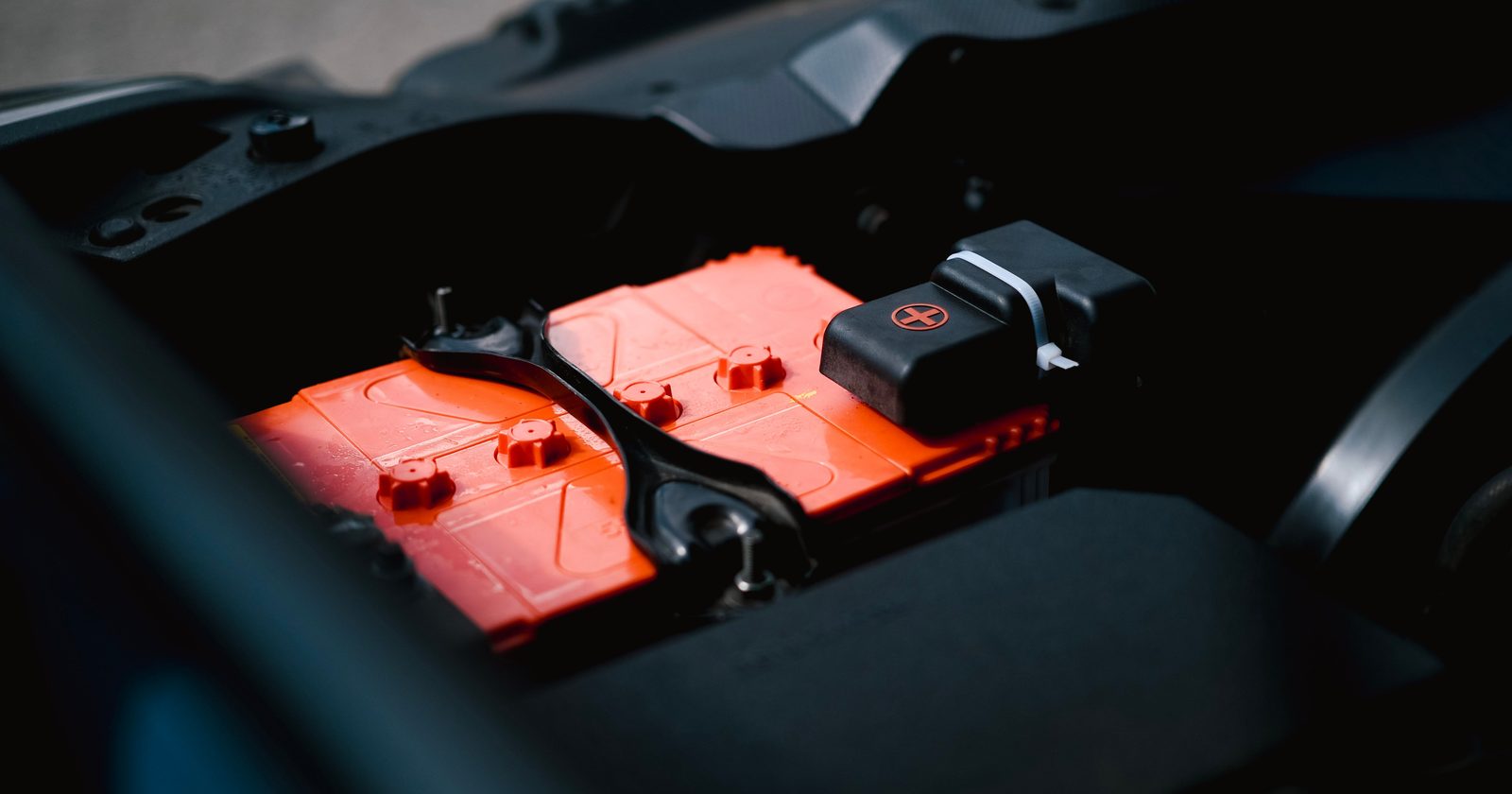
An electric-vehicle pack gets pulled from a car not when it stops working, but when it stops working well enough for driving. The range shrinks, fast-charging slows, and the pack no longer gives a driver what they expect.
The cells inside, however, still hold and release plenty of energy. Consultancy Arthur D. Little cites 70% to 80% of original capacity as a common threshold for the end of automotive use.
That gap between what a car demands and what stationary storage can use is where second-life batteries come in.
What Rivian and Redwood announced in Normal
On April 14, 2026, Rivian and Redwood Materials announced plans to deploy more than 100 second-life Rivian battery packs in an initial 10-megawatt-hour storage system at Rivian’s manufacturing plant in Normal, Illinois.
The intended job is peak shaving. During periods of high electricity demand, the plant could draw on stored energy to reduce its demand on the grid. The companies identify heat waves as one example of when that flexibility could help.
As EV Infrastructure News explains, Redwood’s Pack Manager communicates with the packs’ onboard battery-management systems and can integrate batteries with different chemistries, capacities and voltage classes.
Rivian founder and CEO RJ Scaringe described EVs as “a massive, distributed and highly competitive energy resource.” The partnership is intended to put that proposition to work at a manufacturing site.
Its competitiveness will ultimately depend on installation costs, operating performance and the alternatives available.
Second life and recycling can work in sequence
Redwood built its business around battery recycling before launching Redwood Energy in June 2025. Its storage business adds another possible stage before material recovery: assess incoming packs, reuse those suitable for stationary work, and recycle them when their useful life ends.
That sequence is promising, but it is not automatically the best route for every battery. A pack’s remaining life matters, as does the value of the materials that could be recovered immediately.
A study described by Carnegie Mellon University’s College of Engineering, involving researchers from the university and the National Laboratory of the Rockies, examined that choice using cost modelling and battery-degradation simulations.
The researchers found a stronger case for reusing lithium iron phosphate, or LFP, batteries. Their durability supports further service, while their materials offer comparatively modest recycling returns. For nickel cobalt aluminium, or NCA, batteries, recycling was generally more economical in the scenarios studied because of degradation and the value of their recoverable materials.
Nickel manganese cobalt, or NMC, batteries fell between those cases. Their preferred route depended on how they had been used and what the second-life application would demand. The finding supports assessing and sorting batteries, rather than sending every retired pack down the same path.
A separate 2024 working paper by researchers at Stanford and Mannheim, listed by the Stanford Graduate School of Business, reached a similar economic distinction. Its model projected that used LFP packs would generally retain more than 40% of a new battery’s market value, while finding only a marginal case for repurposing nickel-cobalt-based batteries in the United States.
Those are modelled outcomes under particular assumptions, not guaranteed resale prices or a financial assessment of Rivian’s installation. They nevertheless explain why reuse and recycling belong in the same discussion.
What has to be true for this to scale
The Normal partnership connects an automaker supplying its own packs with a company equipped to assess, integrate and eventually recycle them. That is a useful arrangement, but it does not establish that the packs need no transport, that integration is straightforward, or that the project is already profitable.
Arthur D. Little’s analysis identifies collection, assessment and reconfiguration among the steps involved in repurposing batteries. Those activities carry costs. The relevant comparison is the cost of usable, dependable storage over its remaining life, including the work needed to put it into service.
The positive case is still substantial. Suitable batteries could deliver more useful service before their materials are recovered, while helping factories manage electricity demand.
Operating data on reliability, remaining battery life and savings will show how well it works at this site—and perhaps how readily the economics could travel elsewhere.