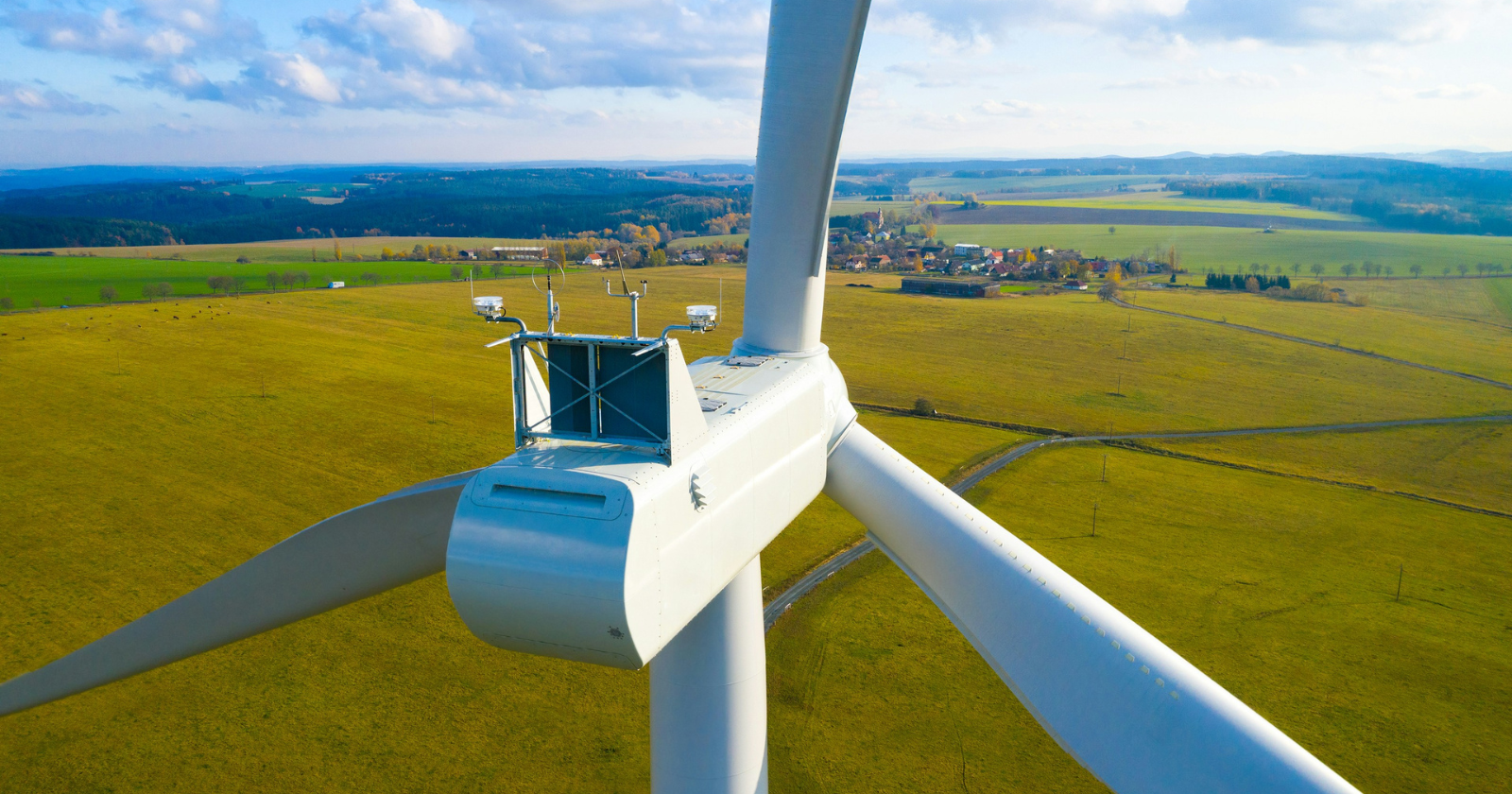
On July 13, 2024, a blade on one of the turbines at the Vineyard Wind 1 project broke apart roughly 15 miles off the southwest coast of Nantucket. Within days, chunks of fiberglass and foam were washing up on the island’s south shore beaches, some of it sharp enough to cut bare feet. That detail alone made the story travel fast, but what stuck around longer was everything that followed it: a federal shutdown of the entire project, a summer of disrupted beach access, and a settlement check that didn’t clear until a year after the blade came apart.
I’ve seen this incident get flattened into two competing shorthand versions online. One treats it as a minor equipment glitch, the kind of thing that happens once and gets quietly fixed. The other treats it as proof the whole technology is unready and dangerous. Neither version survives much contact with what actually happened on the ground, and the actual record turns out to be more serious than “minor glitch” while stopping well short of “the technology is a disaster.”
The claim: a broken blade is a rounding error
The dismissive version of this story usually goes something like this: offshore wind machinery breaks sometimes, just like any large piece of industrial equipment, and a single incident at a single project a few years into build-out doesn’t tell you much of anything. On its own, that reasoning isn’t unreasonable. Industrial hardware fails. A car recall or a bridge inspection finding doesn’t indict an entire category of infrastructure by itself, and it would be unfair to treat one manufacturing defect as proof that offshore wind can’t work.
That logic only holds up if the failure actually stayed small, though, and here it didn’t. The federal government shut down an entire commercial power project for six months, not just the one damaged turbine. Six public beaches closed during the busiest tourist weeks of the year. A settlement in the eight figures followed a year later. Those aren’t the marks of a rounding error, and treating the incident as one requires skipping past most of what actually happened.
What fifteen miles offshore turned into on the beach
The blade broke roughly 15 miles from shore, but the debris didn’t stay offshore. Fragments began washing onto Nantucket’s south shore within days of the failure, according to local reporting from Nantucket Current. Harbormaster Sheila Lucey told residents at the time, “The water is closed to swimming on all south shore beaches, due to large floating debris and sharp fiberglass shards.” A total of six public beaches on the island’s south shore were closed to swimming that summer, according to CBS News Boston, right as Nantucket was heading into the weeks it depends on most for tourism revenue.
A Vineyard Wind spokesman said the blade had snapped about 20 meters from its base. GE Vernova, the company that manufactured it, later attributed the failure to an error at its own factory, according to GBH News. That’s a specific, named cause, on the record, and it’s part of why regulators treated what came next as seriously as they did.
Why regulators shut the whole project down
The federal Bureau of Safety and Environmental Enforcement suspended construction and power generation across the entire Vineyard Wind 1 project, not just the single damaged turbine, within days of the failure. That suspension held for six months and only lifted in mid-January 2025, and the agency’s own account of that order lists real conditions attached: the operator had to commit to removing blades installed before the failure from every turbine already in the water, complete an environmental review of the cleanup, and prove that replacement blades met the original design specifications. Regulators were blunt about one piece of it. As the agency put it, “BSEE will not allow installation of new blades manufactured at this facility.”
A shutdown lasting half a year, applied to an entire operating power project rather than a single component, carries real financial and operational weight. Regulators reserve a response like that for failures they consider genuinely unresolved.
What the $10.5 million settlement actually covers
A year after the blade broke, in July 2025, Nantucket and GE Vernova announced a $10.5 million settlement. The money is earmarked to compensate local businesses for lost revenue during the disrupted summer, evaluated through a claims process run by an independent administrator, according to town officials. Select Board Chair Brooke Mohr called it a genuine win for the town: “We are confident that this is a really positive outcome for Nantucket.”
The agreement is narrower than it might sound, though. According to town officials, it does not limit Nantucket’s options if a similar failure happens again at the same project, meaning the settlement resolves what already happened without signing away the town’s ability to respond to whatever comes next. That distinction matters for reading this fairly. A settlement resolves a specific, already-documented set of losses between one town and one manufacturer. Whether the broader technology is safe, or worth the tradeoff long term, is a separate question this payout doesn’t answer on its own.
The trade Nantucket actually made
I’m not an energy engineer or a regulator, and I have no professional stake in whether offshore wind succeeds or stalls in New England. What I do have is a strong personal opinion about how to weigh a hard year against a long-term arrangement, and it has nothing to do with turbines specifically. I think happiness, or at least not being made miserable by your own circumstances, is close to non-negotiable. If something in your life is making you unhappy, the honest move is usually to fix it. The one exception I actually believe in is when the discomfort is temporary and in service of a goal you genuinely want, in which case it’s worth sitting with rather than escaping.
A town obviously isn’t a single person weighing a single decision, and Nantucket didn’t get to opt out of hosting this project the way you might turn down a job or end a relationship. But the same basic question still applies to how residents get to judge the arrangement going forward. Six months of federal limbo, closed beaches during the busiest weeks of the year, and a full year waiting on compensation is real, specific discomfort, not an abstraction on a spreadsheet somewhere.
Whether that discomfort was worth absorbing depends entirely on what the town actually gets back from hosting offshore wind over the long run, not on how convincingly either side tells the story. If the long-term arrangement genuinely pays off in local jobs, lease revenue, and years of functioning clean power, a rough year and a settlement check might turn out to be exactly the kind of temporary cost worth accepting. If it doesn’t pay off, the math changes, and no settlement number fixes that after the fact. Nantucket will find out which version it got long after this particular blade is forgotten.