Skip to content
ScienceBlog.com
  • Featured Blogs
    • EU Horizon Blog
    • ESA Tracker
    • Experimental Frontiers
    • Josh Mitteldorf’s Aging Matters
    • Dr. Lu Zhang’s Gondwanaland
    • NeuroEdge
    • NIAAA
    • SciChi
    • The Poetry of Science
    • Wild Science
  • Topics
    • Brain & Behavior
    • Earth, Energy & Environment
    • Health
    • Life & Non-humans
    • Physics & Mathematics
    • Social Sciences
    • Space
    • Technology
  • Our Substack
  • Follow Us!
    • Bluesky
    • Threads
    • FaceBook
    • Google News
    • Twitter/X
  • Contribute/Contact

Nagoya University

Physically disposing of a piece of paper containing your angry thoughts in a shredder (left) effectively neutralizes the anger, whereas putting it in a plastic box (right) does not.

After being insulted, writing down your feelings on paper then getting rid of it reduces anger

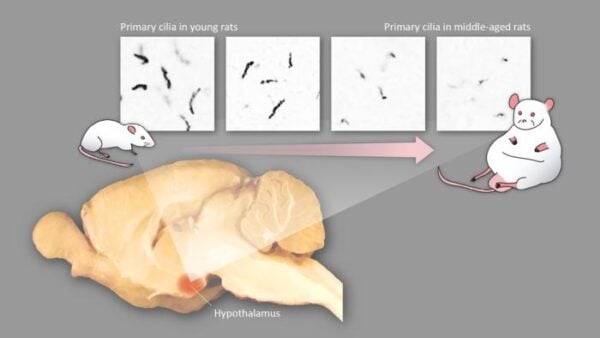
Shortening of MC4R+ primary cilia in the hypothalamus of the brain leads to middle-age obesity.

Middle-age obesity is caused by changes in the shape of neurons in the brain

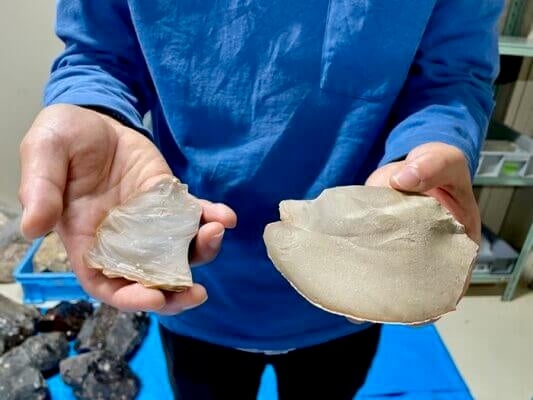
An archaeologist, Eiki Suga, showing fine-grained flint (left) and middle-grained flint (right).

Paleolithic humans may have understood the properties of rocks for making stone tools

A Japanese auroral drawing showing an observation at Okazaki on 4 February 1872, as reproduced with courtesy of Shounji Temple (contrast enhanced)

One of the largest magnetic storms in history quantified: Aurorae covered much of the night sky from the Tropics to the Polar Regions

Man's body, highlighting the stomach and esophagus

Scientists use AI to create next-generation stomach acid treatment

New technology converts a component of natural gas, methane (left), to methanol (right), using the P450BM3 enzyme (middle, grey) with a decoy molecule (middle, colored). This method can be a cheap and effective mean of reducing the carbon footprint of natural gas.

Reducing the carbon footprint of methane by converting it into methanol with a new enzyme

Nematode. Pixabay

Diet found to affect learning in older worms

Illustration of a person and with the word verbs floating out of their mouth

Parkinson’s patients speak with more verbs

Researchers have identified gut bacteria that are associated with dementia with Lewy bodies.

Researchers identify three intestinal bacteria found in dementia with Lewy bodies

Researchers used the drug fasudil to restore neurons and improve methamphetamine-induced cognitive dysfunction in a mouse model of schizophrenia

Drug reverses key symptoms of schizophrenia in mice

illustration of energy efficient town

Sleep mode makes Energy Internet more energy efficient

Japanese children’s walk develops differently from children in other countries

The AI suggested that the red area is idiopathic pulmonary fibrosis and blue area is non-idiopathic pulmonary fibrosis.

AI performs as well as medical specialists in analyzing lung disease

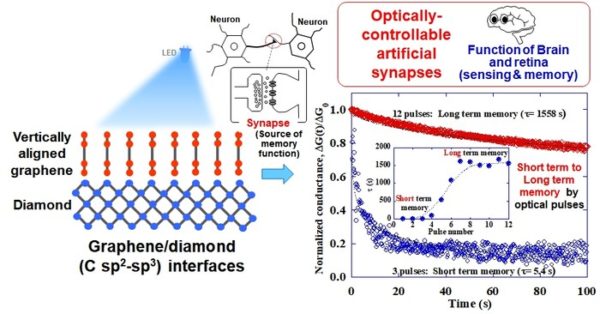
Towards next-gen computers: Mimicking brain functions with graphene-diamond junctions

Older posts
Newer posts
← Previous Page1 Page2 Page3 Next →
Substack subscription form sign up

Comments

  • Karoly Mirnics on Common Prescription Drugs May Disrupt Cholesterol Pathways in the Womb and Raise Autism Risk
  • Aizen on Laziness helped lead to extinction of Homo erectus
  • Norwood johnson on Electrons in New Crystals Behave as If They Live in Four Dimensions
  • ScienceBlog.com on Hidden Geometry Could Finally Fix Quantum Computers
  • Theo Prinse on America Is Going Back to the Moon. This Time, It Plans to Stay
© 2026 ScienceBlog.com | Follow our RSS / XML feed