Stanford researchers propose ‘Human Screenome Project’ to study the impacts and promises of digital media
As digital devices become ubiquitous in the world, so have concerns about the harmful effects of screen-related behaviors.
Jan 16, 2020

As digital devices become ubiquitous in the world, so have concerns about the harmful effects of screen-related behaviors.
Jan 16, 2020

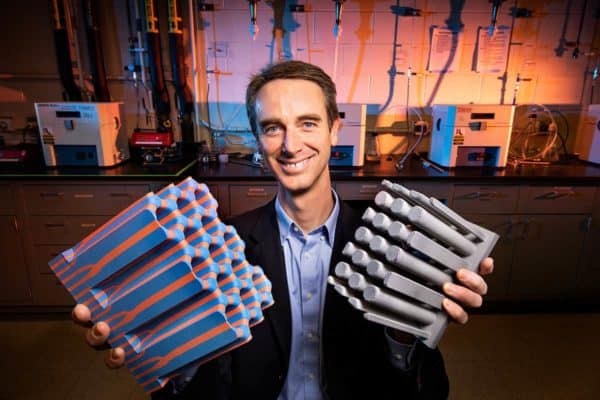
Composites made from self-assembling inorganic materials are valued for their unique strength and thermal, optical and magnetic properties.
Jan 16, 2020

Artistic representation of changes in mouse brain networks with alcohol dependence.
Jan 15, 2020

Adverse outcomes from childhood exposures to lead and mercury are on the decline in the United States, likely due to decades of restrictions on the use of heavy metals, a new study finds.
Jan 14, 2020

Obesity, a global epidemic, is a known contributor to several cancers, including breast, colon, and pancreatic.
Jan 14, 2020

“No astronomer expected that we live next to a giant, wave-like collection of gas — or that it forms the local arm of the Milky Way,” said Harvard Professor Alyssa Goodman (left), standing with graduate student Catherine Zucker, a key member of the team.
Jan 10, 2020

When it comes to fulfilling ambitious energy and climate commitments, few nations successfully walk their talk.
Jan 10, 2020

Animal care specialists at the San Diego Zoo Safari Park were concerned when they noticed cloudiness in the left eye of Leslie, a 3-year-old female western lowland gorilla.
Jan 10, 2020

The body sensation maps show regions where activation increased (warm colors) or decreased (cool colors) in each moral violation condition.
Jan 9, 2020

JUUL delivers substantially more nicotine to the blood per puff than cigarettes or previous-generation e-cigarettes (e-cigs) and impairs blood vessel function comparable to cigarette smoke, according to a new study by researchers at UC San Francisco.
Jan 9, 2020

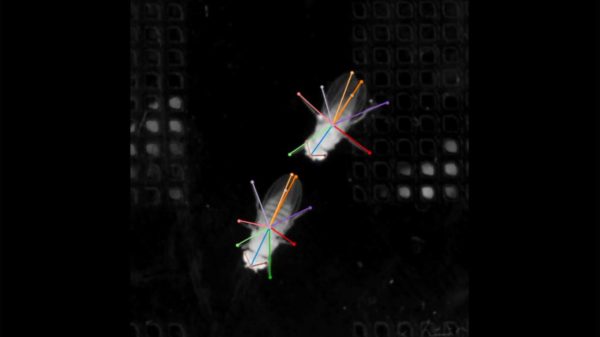
A new system that uses artificial intelligence to track animal movements is poised to aid a wide range of studies, from exploring new drugs that affect behavior to ecological research.
Jan 9, 2020

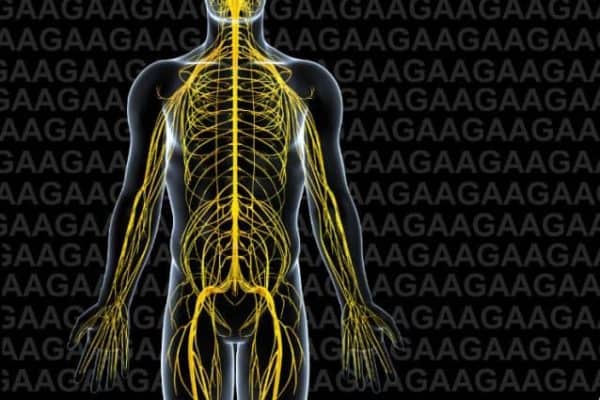
Scientists at Tufts University have identified a molecular mechanism that could reverse the genetic defect responsible for Friedreich’s ataxia, a…
Jan 9, 2020

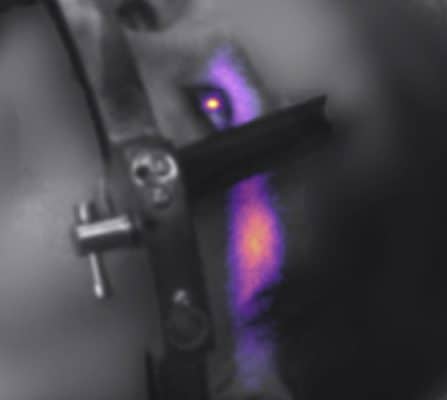
For decades, theories have existed to explain patient reports of seeing light flashes during radiation therapy, even with their eyes closed.
Jan 8, 2020

“This is the richest set of results for the genetic basis of anxiety to date,” said co-lead author Joel Gelernter of Yale, the Foundations Fund Professor of Psychiatry, professor of genetics and of neuroscience.
Jan 8, 2020