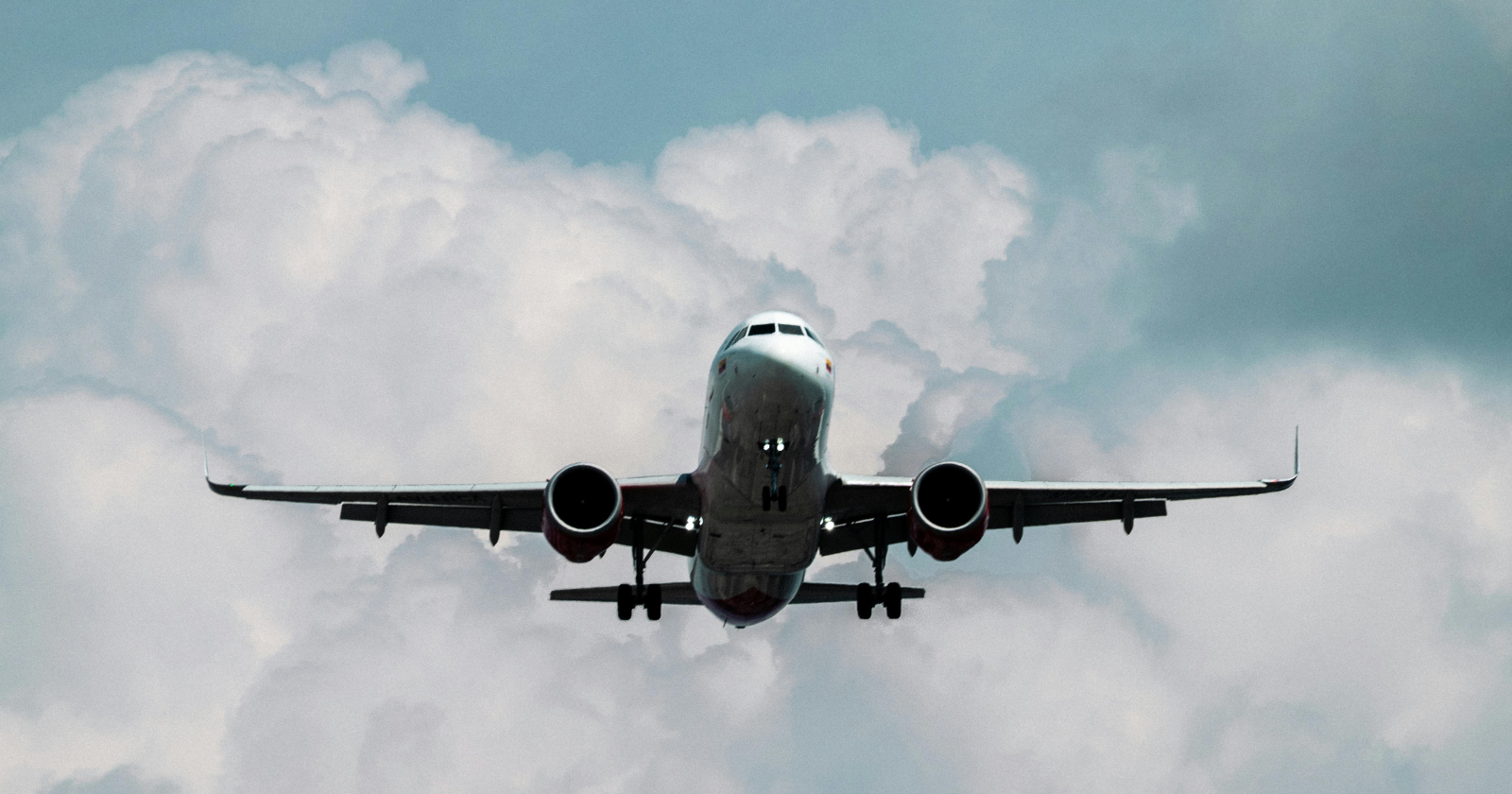
In the early hours of 25 January 2024, an Airbus A320 lifted off from Kendari, on the Indonesian island of Sulawesi, and turned toward Jakarta. It was a routine domestic hop, two hours and thirty-five minutes, the kind of flight that happens hundreds of times a day across the world’s biggest island nation. On board were 153 passengers, four flight attendants and two pilots.
By the midpoint of the flight, every conscious person on that aircraft was sitting behind the cockpit door.
“I need to rest”
The story, laid out in a preliminary report by Indonesia’s National Transportation Safety Committee, begins about half an hour after takeoff. The captain, a 32-year-old with a valid license and a clean pre-flight medical, asked his co-pilot for permission to rest. This is allowed. Controlled rest, where one pilot naps briefly while the other flies, is a recognized fatigue tool in many countries.
The 28-year-old co-pilot agreed and took control. What the roster could not show was what his nights looked like. He and his wife had one-month-old twins at home, and though the airline’s records showed he had been given adequate time off before the trip, much of that time had gone into helping care for two newborns. On paper he was rested. In reality he was running on empty.
The captain fell asleep. Some time later, without meaning to, the co-pilot followed.
Twenty-eight minutes of silence
The A320 flew on at cruise altitude, on autopilot, with nobody watching it. A few minutes after the co-pilot’s last radio transmission, Jakarta’s area control centre called the flight. No answer. Controllers tried again. Nothing. Other aircraft were asked to relay the call. Still nothing.
The silence stretched to 28 minutes after that final transmission. Then the captain woke up on his own, looked across the cockpit and found his co-pilot asleep beside him. He also found something else: the aircraft was no longer on its correct flight path, having drifted off course while no one was flying it.
He woke the co-pilot, answered Jakarta’s calls, and told controllers the aircraft had been having radio problems. The crew corrected course and landed at Soekarno-Hatta without further incident. No one was hurt. Most of the passengers presumably never knew.
Fit to fly, on paper
The detail that makes the report unsettling is how normal everything looked beforehand. Both pilots held valid airline transport licenses. Both passed their pre-flight medical checks: blood pressure normal, heart rate normal, alcohol tests negative. By every measure the system knew how to take, they were fit to fly.
The problem, as the Indonesian aviation analyst Alvin Lie told the BBC, is that none of those checks can measure the quality of anyone’s sleep. A man who has spent his nights walking the floor with twin babies can pass every test at the gate and still be dangerously exhausted at altitude. The report found one of the pilots had simply not rested adequately the night before, and that no procedure caught it.
There was a procedural hole, too. The airline required cockpit checks at regular intervals, but the investigation found the responsibility for those checks was never clearly assigned, so nothing was in place to notice that both seats had gone quiet.
The aftermath
Indonesia’s Transport Ministry said it strongly reprimanded the airline, suspended both pilots, and ordered a review of night-flight operations and fatigue-risk management across all Indonesian carriers. The airline said it operates with an adequate rest policy and committed to implementing the safety recommendations. The safety committee’s central finding was blunt: this was unmanaged fatigue, and the systems meant to manage it had a gap where a tired human being could fall straight through.
It happens more than anyone admits
The uncomfortable truth aviation keeps circling is that this was not a freak event. Surveys by pilot unions in Europe have found large fractions of pilots admitting to having nodded off in the cockpit at some point, sometimes waking to find their colleague asleep too. A 2022 ITF survey of Indonesian pilots found most had dozed mid-flight at least once. The cases that make the news are the ones where a paper trail forces the story out.
Modern autopilots make these lapses survivable, which is exactly why they stay hidden. An A320 will hold its altitude and heading indefinitely without a human touch. What it will not do is answer the radio, avoid weather, respond to other traffic or begin the descent. For 28 minutes over Indonesia, 159 people travelled at several hundred miles an hour in a machine nobody was operating, and the margin between anecdote and catastrophe was the timing of one man’s waking.
The fix is not dramatic technology. It is the boring arithmetic of sleep: rosters that reflect real life, rules that let a parent of newborn twins say so, and someone whose actual job is to notice when both pilots have gone quiet. The report’s lesson is that “fit to fly” and “rested” are not the same measurement — a gap the industry’s own fatigue models still haven’t caught up to — and the industry only ever finds that out at altitude.