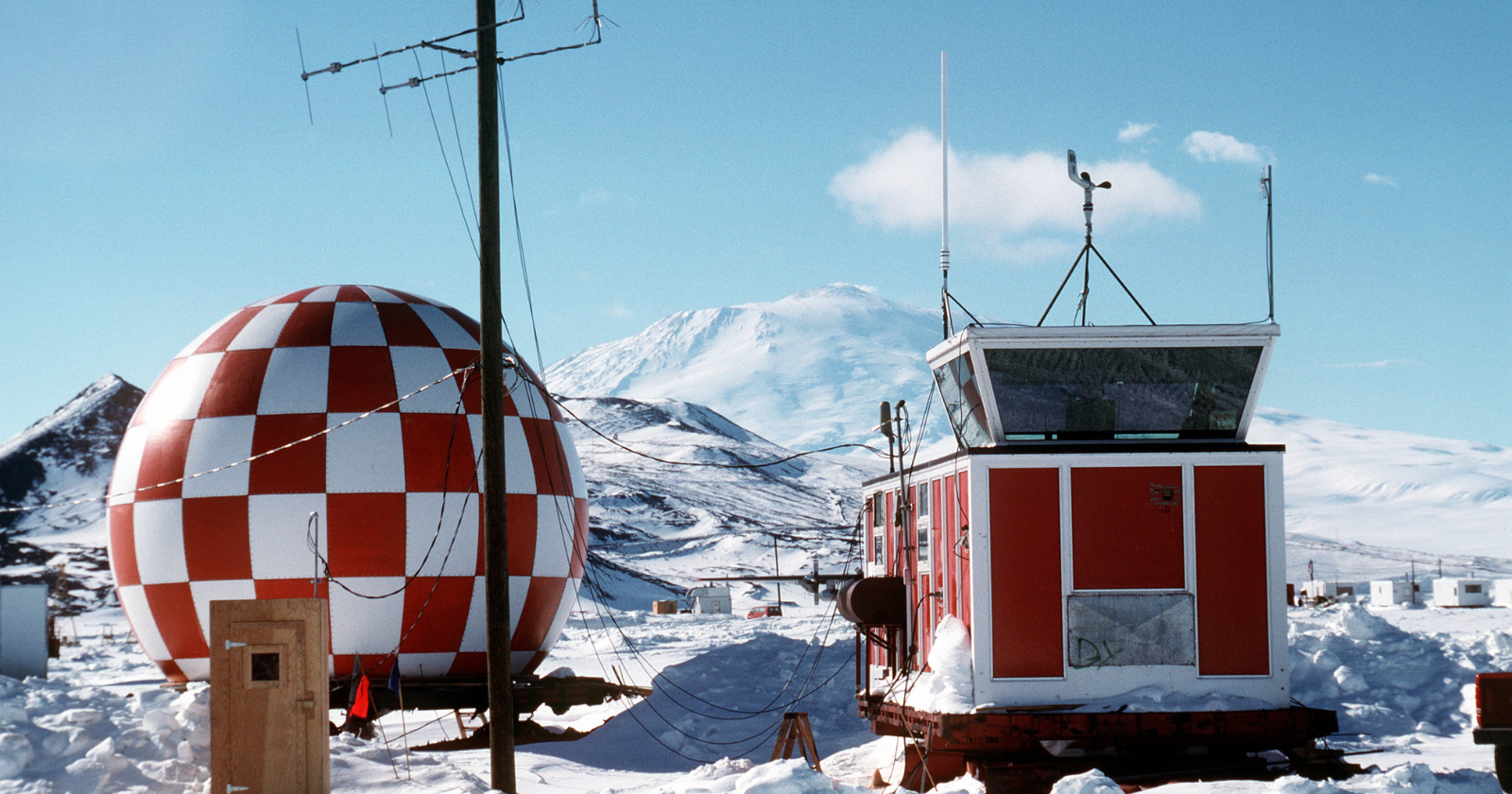
Concordia Station sits on a high plateau in the Antarctic interior, more than 3,000 metres above sea level. In winter the temperature drops to minus 80 degrees Celsius, the sun disappears for months, and no plane can land. For roughly nine months of the year, the small crew inside is more cut off from other humans than the astronauts on the International Space Station, who are at least a few hours from home.
That is exactly why scientists love the place. If you want to know what years inside a Mars spacecraft will do to a crew, Concordia is about as close as Earth gets. And the latest study to come out of it found the crew wrestling with a problem nobody puts on the recruitment poster.
Sensors on every chest
For one ten-month overwintering mission, an international team led by Jan Schmutz of the University of Zurich and Andrea Cantisani of the University of Bern fitted all 12 crew members with wearable proximity sensors. The chest-worn devices logged whenever two people came within about a metre and a half of each other, in ten-second slices, building a continuous map of who spent time near whom, all winter long.
Alongside the sensors, the crew filled in psychological questionnaires at four points across the mission, measuring loneliness, conflict, trust, team cohesion and how well they felt they were performing. The combination, published in the journal PNAS, gave researchers something rare: an objective record of a real isolated crew’s social life, matched against how those people actually felt.
The obvious worry going in was loneliness. Twelve people, cut off from everyone they love, in darkness and lethal cold. Surely the ones who suffered would be the ones left out.
More contact, more trouble
Loneliness did rise over the winter, and cohesion fell. But the sensor data pointed somewhere unexpected. The crew members who spent the most time in close contact with others were not the ones doing best. They tended to report more conflict, more suspicious and mistrustful thoughts, and worse performance.
Schmutz put it plainly: in small teams under extreme conditions, more contact does not automatically mean more support. It can mean more tension. Inside a sealed station there is no way to leave a bad interaction behind. The colleague who irritated you at breakfast is at lunch, at dinner, in the corridor, in the lab, tomorrow, and every day for the next nine months.
There was a second warning sign in the data. As the months passed, the crew’s interactions clustered more and more within national and language groups. The team was quietly splitting into tribes, a pattern the researchers flag as a real risk for the multinational crews every space agency plans to send to Mars.
What the sensors could not see
The study has honest limits, and the authors are upfront about them. It is one crew of twelve, which is a normal size for Antarctica and a small one for statistics. The results are correlations, not proof of cause: it is possible that people who were already struggling sought out more company and found it did not help, rather than the contact itself doing the damage.
And a proximity sensor is a blunt instrument. It records that two people stood close together, not whether they were sharing a joke or grinding through an argument. What it measures is opportunity for interaction, not warmth. That gap turns out to be the heart of the finding. We tend to treat social contact as the cure for loneliness, but being unable to get away from eleven specific people is not the same thing as chosen, supportive connection. You can be crowded and lonely at once.
The privacy problem headed for Mars
For space agencies, the practical lesson is almost embarrassingly ordinary: privacy. A round trip to Mars, with the surface stay included, would keep a crew together for something close to three years. Spacecraft designers fight for every kilogram and every cubic metre, and private space is one of the easiest things to cut. This study suggests it may be one of the most dangerous things to cut.
The findings also make the case for monitoring. Questionnaires rely on crew members noticing and admitting how they feel. Sensors picked up the shifting social structure of the Concordia crew automatically, which means future missions could spot a team starting to fragment months before anyone files a complaint, and step in with schedule changes or support before it hardens.
Alone together
None of this means isolation is pleasant or that human contact is bad for you. Out in the ordinary world, decades of research tie loneliness to worse health of nearly every kind. The Concordia result is about a stranger condition, one that barely existed before submarines, polar stations and spacecraft: total isolation from the world, with zero isolation from your crewmates.
The people who go to Mars will not just have to survive being far from everyone on Earth. They will have to survive never, for three years, getting a moment away from the five or six people who came with them. On the evidence from Antarctica, that second problem may be the harder one.