

A troubling resurgence of preventable childhood diseases across America has prompted new warnings from leading medical experts. The U.S. has witnessed a five-fold increase in whooping cough cases from 2023 to 2024, while measles outbreaks have nearly quadrupled in the same period, jumping from four to fifteen separate incidents.
In a new analysis published in PLOS Global Public Health, pediatrician-scientist Peter Hotez from Baylor College of Medicine outlines how anti-vaccine sentiment has shifted focus from COVID-19 to routine childhood immunizations, creating new public health challenges. The impact is already visible: some regions are seeing vaccination rates drop below levels needed to prevent disease outbreaks, and even polio has been detected in wastewater sampling.
A State-by-State Challenge
The problem is particularly acute in certain regions. Idaho now leads the nation with 12.1% of kindergarten children exempt from school-based vaccine mandates. However, state-level statistics can mask even more concerning local trends, with some individual counties across various states showing exemption rates ranging from 5.1% to 30%.
Comparing Risks
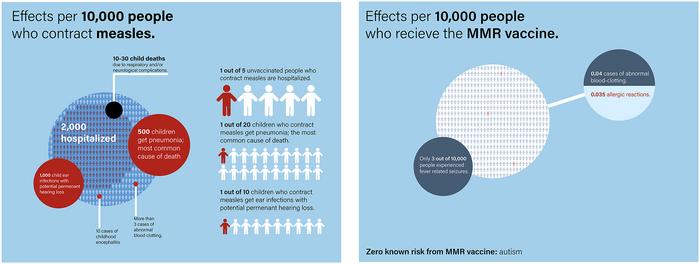
The analysis presents stark data about the real risks of disease versus vaccination. For example, among 10,000 children who contract measles, about 2,000 will require hospitalization, 1,000 will develop ear infections that can lead to hearing loss, and 500 will face life-threatening pneumonia. In contrast, serious vaccine side effects are exceedingly rare.
Four-Point Action Plan
Hotez proposes several immediate steps to address the growing crisis:
- Update county-level data across all 50 states to identify areas at highest risk for disease outbreaks
- Improve communication about the comparative risks of diseases versus vaccines
- Establish a government-run website to debunk vaccine myths in real time
- Strengthen state-level advocacy to maintain strong vaccination policies
Looking Ahead
The urgency of the situation is highlighted by recent polling data showing significant partisan divides in vaccine attitudes. An August 2024 Gallup Poll revealed markedly higher rates of vaccine hesitancy among parents identifying as Republicans, who often view vaccine risks as outweighing benefits.
“Our vaccine ecosystem is fragile,” warns Hotez, noting that the “troubling rise in cases of measles, pertussis, and other illnesses requires enhanced measures to counter antivaccine activism.” Without swift action, these isolated outbreaks could become regular epidemics of diseases once thought confined to history.