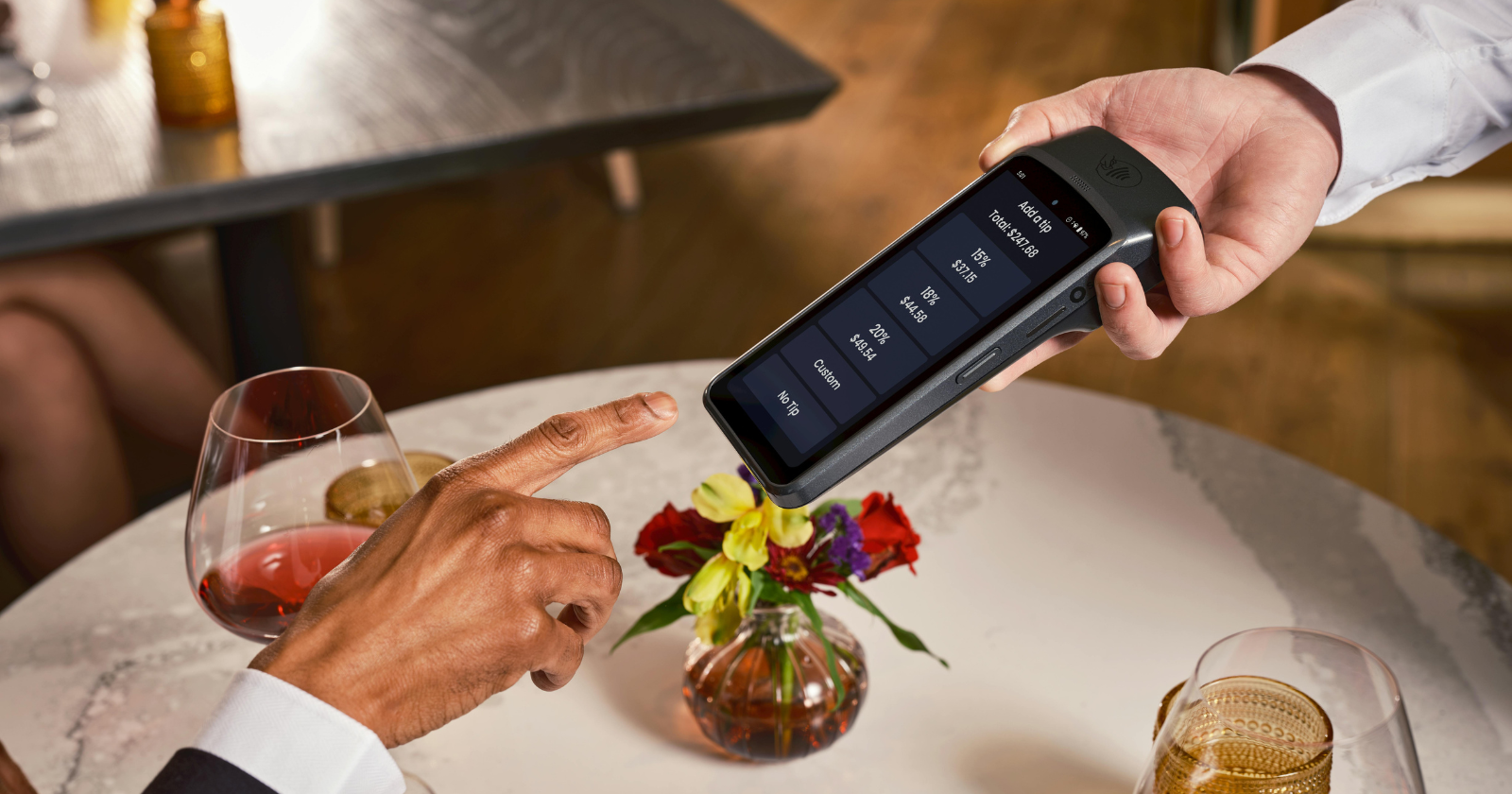
A man in Paducah, Kentucky spent 1916 trying to convince his countrymen that leaving a quarter on a restaurant table was an act of treason.
His name was William R. Scott, and his book The Itching Palm is one of the odder artefacts in American economic history. Scott counted five million Americans living wholly or partly on gratuities, roughly a tenth of the workforce, and put the annual national tab somewhere between $200 million and $500 million. Tipping, he argued, was flunkyism, a willingness to be servile for money and therefore fatal to a republic. He nicknamed the country “the Land of the Fee”. He predicted the whole business would eventually be uprooted the way slavery had been.
He lost, and he lost partly because of something that had not happened yet.
Hotels ran on liquor
Marc Mentzer, a professor at the University of Saskatchewan, traced the roots of the American tip in a 2013 paper in the International Journal of Management. Early American hotels were modest operations where meals came bundled with the room and guests ate family style, proprietor at the head of the table. Slipping the proprietor a coin for a second helping of potatoes would have been absurd. As cities grew, dining rooms grew with them. Waiting staff replaced the proprietor, and some guests started paying for a better cut of meat off the serving tray. Managers loathed it and called it bribery, which is more or less what it was.
Underneath all of it sat the bar. Drink propped up the kitchen and, in plenty of houses, the rooms upstairs as well.
Then in January 1920 the bar closed.
The dining room after Prohibition
When the mayor of Berlin visited New York in 1929, he asked his host when Prohibition was due to begin. It had been the law of the land for nearly a decade. Historian Michael Lerner tells that story in a companion essay to Ken Burns’s Prohibition for PBS. Lerner also records that restaurants failed outright once legal drink came off the menu, taking the jobs of waiters, barrel makers and truckers with them. Governments took the hit too. Liquor excise had supplied close to three-quarters of New York State’s revenue, and it evaporated on schedule.
Owners still standing had two problems. One was a room full of expensive joinery that could no longer legally sell anything. The other was a cost base built for a world with alcohol in it.
Both problems shared an answer. Bars were converted into lunch counters selling food à la carte, and the tip stopped resembling a bribe for a bigger portion and started resembling a customer topping up somebody’s pay. Mentzer told the Richmond Fed’s Econ Focus that owners warmed to gratuities precisely because they eased the pressure to lift wages. That’s one historian’s reading, not settled consensus, and Mentzer is careful to frame Prohibition’s role as indirect, a push toward separately priced meals rather than a direct cause on its own.
Six states tried to ban it
Arkansas. Iowa. Mississippi. South Carolina. Tennessee. Washington. The Richmond Fed’s history of the era counts all six passing laws between 1909 and 1915 that criminalised the giving or soliciting of tips, with fines attached and, in South Carolina, the prospect of jail. Nobody paid the slightest attention. Every one of those laws was gone by the 1920s, Iowa’s struck down by the state supreme court, the rest quietly repealed. Washington had already surrendered in 1913, a collapse Scott recorded with some gloom, noting that a social custom of long standing beat a brand-new statute every time.
So the legal deterrent fell apart at almost exactly the moment employers acquired a solid financial reason to encourage the habit.
Who carried the cost
Who was actually funding the arrangement? Tim Sablik’s Econ Focus history sets out the racial dimension that rarely survives into the fun-facts version of this story. The Pullman Company hired Black men almost exclusively as sleeping-car porters and paid them $27.50 a month in 1915, worth roughly $835 today. Investigators concluded the job was unliveable without gratuities, and passengers who understood that felt all the more obliged to hand something over. A wage the employer declined to pay became a moral duty for the customer.
What hardened into place
Repeal arrived in 1933 and the liquor came back. Wages did not.
Federal law still lets employers pay tipped staff a cash wage of $2.13 an hour and take the remaining $5.12 of the $7.25 minimum out of the customer’s pocket, a mechanism the US Department of Labor calls a tip credit. Seven states have scrapped it outright. Most jurisdictions have not.
Where that leaves the card reader
“Tipflation.” That’s the word Pew Research Center used in a 2023 report on gratuities turning up in more and more places. The survey of nearly 12,000 adults found 72 per cent agreed tipping was expected in more places than five years earlier, while only about a third felt confident about whether or how much to give. That same survey found matching opposition, down to the percentage point, to automatic service charges. It’s the fix nobody wants.
Scott expected the American conscience to revolt eventually. Instead the habit survived being made a crime, then outlived the emergency that entrenched it and now spends its time colonising self-checkout screens and furniture showrooms. Every tap on a tip prompt is a hotel manager in 1921, staring at a ledger with a hole in it, still doing his sums.