

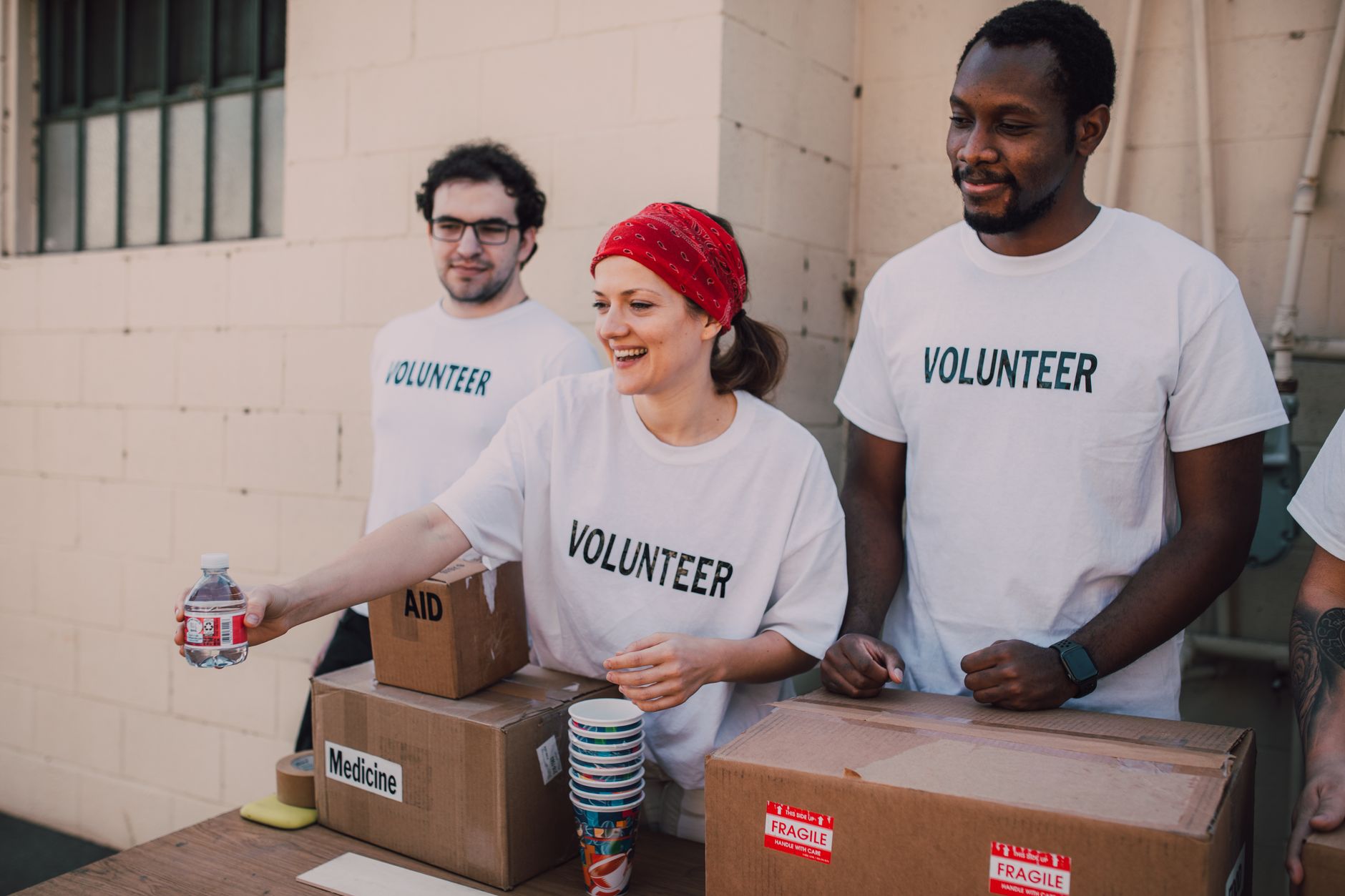
Show more kindness and lift people up by giving more of your time and resources. As instructions go, it is sound, and the research broadly supports it: people who give tend to benefit, and so do the people they give to. But the word more hides two findings that are more useful than the slogan. Giving works in a way that is genuinely counterintuitive, and it works only under particular conditions. Ignore those conditions and the same generosity that should lift everyone can leave the giver depleted and the recipient no better off. So it is worth looking at what actually makes giving work, rather than simply resolving to do more of it.
Giving time can ease the feeling of not having enough
The most common objection to giving more of your time is the obvious one: there is not enough of it, and every hour handed to someone else is an hour lost. The research points the other way. In a set of experiments, Cassie Mogilner, Zoe Chance and Michael Norton compared spending time on others with spending it on oneself, wasting it, or even receiving an unexpected windfall of free time. They found that spending time helping someone else left people feeling that they had more time, not less, and that this rise in a sense of time affluence was driven by the boost to personal competence that helping produced.
The mechanism matters, so it is worth being precise. Giving time does not literally add hours to the day; it changes how time feels, and it does so by making people feel more capable and effective, which in turn makes their available time seem to stretch. In the studies, this even made people more willing to take on future commitments despite busy schedules. The practical upshot is that the trade-off many people assume, generosity versus a full life, is partly an illusion. Spent in the right way, time given away can buy back the very sense of time it seemed to cost. This is one carefully studied effect rather than a law of nature, but it is a striking correction to the intuition that giving time only drains you.
The benefit depends on why you give
Here is the condition that the instruction to give more leaves out, and it is the one that decides whether giving helps or harms. Not all giving is equal, and the deciding factor is the motive behind it. Netta Weinstein and Richard Ryan tested this directly across several studies grounded in self-determination theory. They found that helping others improved well-being for the helper, and for the person helped, only when the helping was autonomous, meaning freely and willingly chosen, and that help given out of pressure, obligation or guilt did not produce the same benefit.
Read plainly, this means the how of giving overrides the how much. Generosity that flows from a genuine wish to help satisfies basic psychological needs and lifts both people. Generosity extracted by a sense of should, or given to look good, or offered because it felt impossible to refuse, tends not to, and can leave the giver drained rather than replenished. Notably, the recipients in this work also fared better when the help they received was autonomously given, suggesting people can feel the difference between aid offered freely and aid offered grudgingly. So the instruction to give more is only good advice for the part of your giving that you actually choose. Piling on obligated giving is not the same thing and does not carry the same reward.
More is not always better
The word more also implies that giving scales without limit, that the generous thing is always to give further. It does not, and pretending otherwise sets people up to fail. Giving beyond one’s resources depletes them, and the caregiving literature documents compassion fatigue and burnout in people who give continuously without replenishment, a state in which the capacity to help actually falls. A person who gives past the point of sustainability ends up, over time, with less to offer, not more, which is the opposite of the intended effect.
There is a second limit worth naming, on the resources side. Giving that is not directed where it can do good does not reliably help the recipient. Money and effort poured out without attention to what a person actually needs can miss, and occasionally can foster dependence rather than lift someone up. The point is not to give less but to notice that impact, not volume, is what lifts people. A smaller amount given where it lands well does more than a larger amount given carelessly. So the honest version of more is not maximal but sustainable and well aimed.
What actually makes giving work
Put the findings together and the instruction survives, refined into something more reliable. Giving your time and resources does lift people, both the receiver and the giver, when three conditions hold. It should be autonomous, chosen rather than squeezed out of you, because that is what turns it from a cost into a benefit. It should be sustainable, kept within what you can give without hollowing yourself out, because a depleted giver helps no one for long. And it should be aimed, directed where it meets a real need, because impact rather than sheer quantity is what does the lifting. Under those conditions, the surprising bonus in the time research tends to follow: give freely and well, and you are likely to feel not poorer but more capable, and even less pressed for time.
None of this weakens the original advice; it makes it work. Show more kindness, yes, and give more of your time and resources, but give it willingly, within your means, and where it counts. Do that, and generosity stops being a sacrifice you brace for and becomes closer to what the evidence says it can be, a genuine exchange in which lifting others quietly lifts you as well.