

Bone is the part of your health almost nobody thinks about until something breaks, which is precisely the problem. It is invisible, it declines silently, and by the time it announces itself, with a wrist that snaps on a minor fall or a hip that suddenly gives way, much of the damage is already done. Concentrating on bone health early is one of the higher-return, lower-effort things a person can do for their future self. The science on why it matters, and on what actually works, is unusually clear. What follows is general information, not medical advice.
The scale is bigger than people assume
Osteoporosis, the gradual thinning and weakening of bone, tends to get filed away as a minor problem of frail old age. The numbers say otherwise. According to the International Osteoporosis Foundation, roughly one in three women and one in five men over the age of 50 will suffer a fracture due to osteoporosis in their remaining lifetime, and there are up to 37 million fragility fractures worldwide every year in people over 55, which works out to around 70 every minute.
For a woman, the lifetime risk of an osteoporotic fracture is higher than her risk of breast cancer. And these are not trivial injuries. A hip fracture in an older adult is a genuinely serious event: roughly 40 percent of people who have one never walk independently again, and a meaningful share do not survive the year that follows. Bone health is not cosmetic. It is one of the main things standing between an active later life and a sharply narrowed one.
Bone is alive, and much of it is built early
The key thing to understand is that bone is living tissue, constantly being broken down and rebuilt. You lay down bone fastest in childhood and adolescence, reach your peak bone mass at around age 30, and then, slowly, the balance tips and you begin to lose it, faster in women after menopause, when estrogen falls away.
That has two implications. If you are young, the bone bank you build now is the one you will draw down for the rest of your life, which is why activity and nutrition in youth matter far more than they feel like they should. And if you are older, you cannot rebuild a peak you have already passed, but you can substantially slow the rate of loss, which quietly changes the trajectory that otherwise ends in a fracture. Either way, concentrating on your bones is never a lost cause. It simply does different work depending on when you start.
What actually strengthens bone
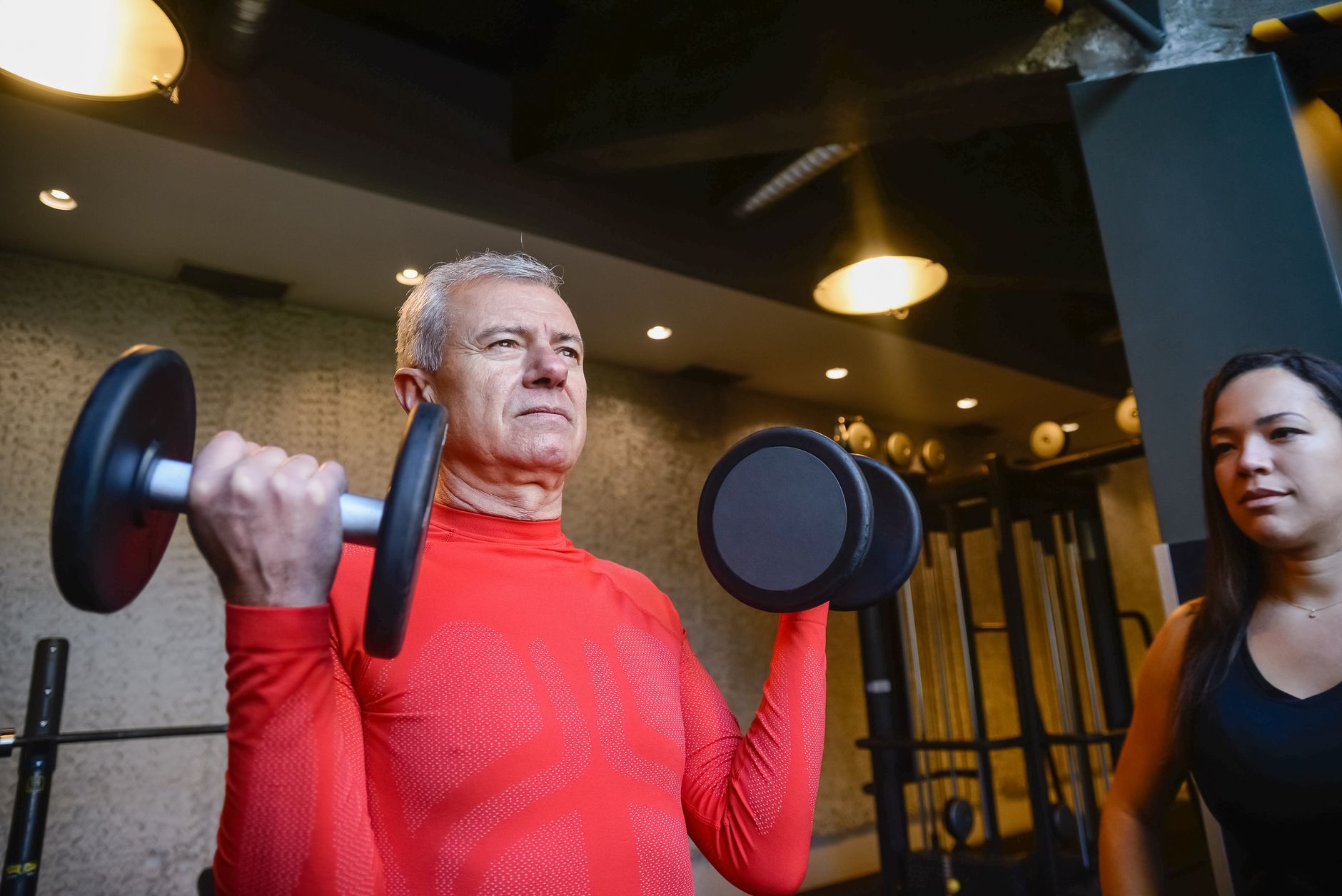
The single most powerful lever is mechanical load. Bone responds to stress by reinforcing itself, so the exercise that helps is the kind that makes bones work against gravity or resistance. Weight-bearing activity such as walking, jogging, stair-climbing and dancing, along with resistance training such as lifting weights or bodyweight exercises, both preserve and can increase bone mineral density, particularly at the hip and spine, which happen to be the two places where fractures do the most harm.
Swimming and cycling, for all their other virtues, do comparatively little for bone, precisely because they do not load it. The practical takeaway is unglamorous but effective: get your bones carrying weight on a regular basis, and add some strength work. Muscle and bone strengthen together, and stronger muscles also mean better balance and fewer falls, which is the other half of the fracture equation.
The nutrition part, without the hype
Nutrition matters too, but it is where the most overselling happens, so it is worth being precise. Bones need calcium as their raw material and vitamin D to absorb it. Most guidelines put adult calcium needs at somewhere around 1,000 to 1,200 milligrams a day, ideally from food such as dairy, leafy greens and fortified products rather than from pills, while vitamin D matters most for people who are deficient or who get little sunlight.
But more is not better. Loading up on calcium supplements beyond what you need does not build stronger bone and may carry its own risks, and mega-dosing vitamin D is not protective. The honest version is that adequate, rather than maximal, calcium and vitamin D, combined with the exercise, is what the evidence actually supports. Enough protein, not smoking, and going easy on heavy drinking round out the picture, since all three genuinely affect how bone holds up.
When to get it checked, and the bottom line
This is general information rather than a substitute for medical advice, and bone health is one area where seeing a professional genuinely helps. If you are a postmenopausal woman, a man past about 70, someone who has already had a fragility fracture, or you carry risk factors such as a family history, long-term steroid use, or very low body weight, it is worth asking your doctor about a bone density scan. The test, called a DEXA, is quick and painless, and it is the only way to actually know where you stand. Osteoporosis is also treatable with medication when it is needed, so catching it early truly changes outcomes.
The reassuring bottom line is that bone is one of the more controllable parts of aging. You cannot change your genes or your age, but the biggest levers, loading your bones through exercise, eating enough calcium and protein, keeping vitamin D up, and not smoking, are all within reach, and they work at any age. The best time to start was your twenties. The second best time, as with most things worth doing, is now.