

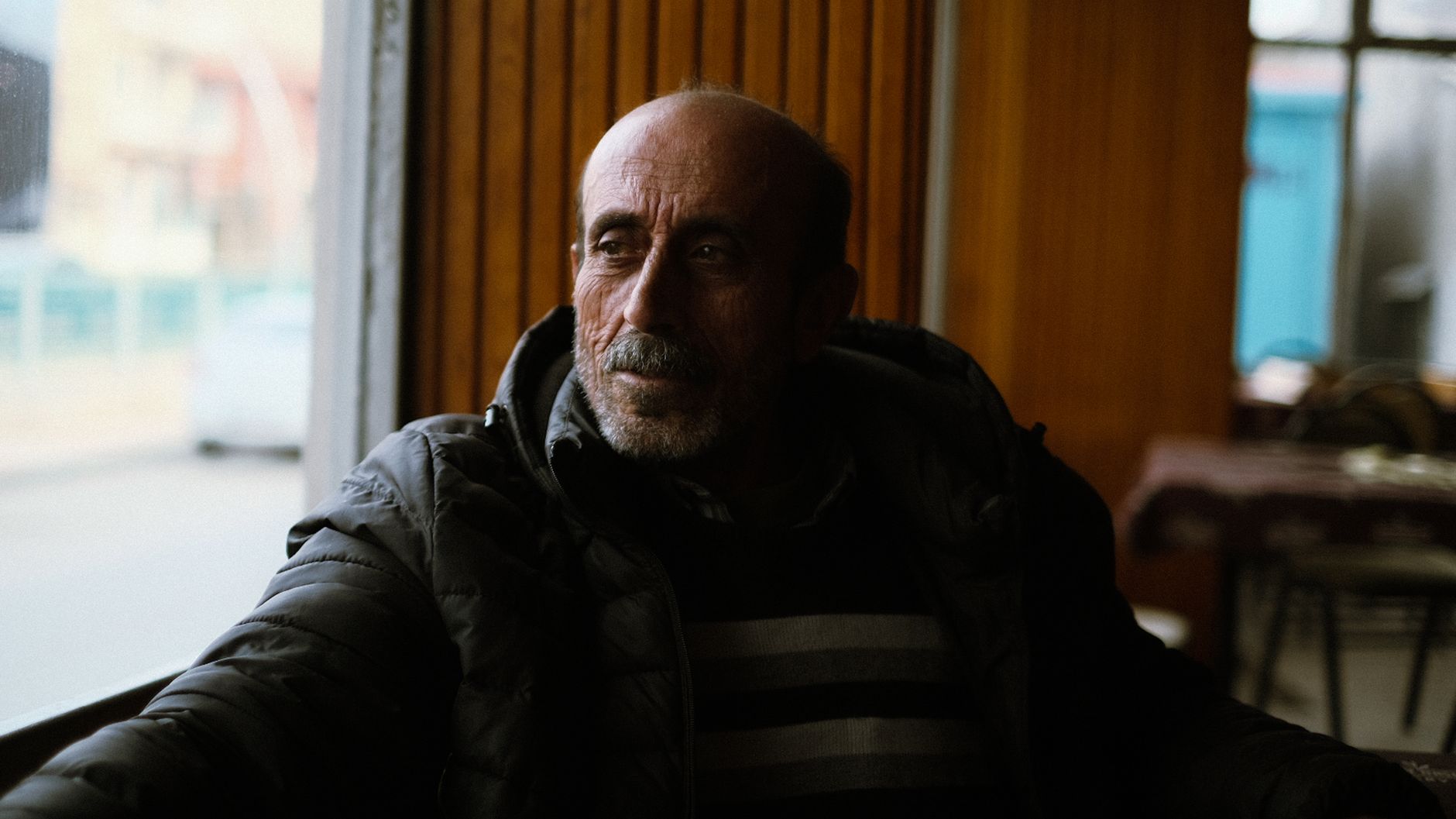
Early retirement is sold as pure reward: freedom, no alarm clock, endless open days. Which is why the experience catches so many people off guard. A surprising number who reach the goal they worked toward for decades find, within a year or two, that they are bored and quietly lonely, and then feel guilty for not simply enjoying their good fortune. That reaction is neither a failure of character nor a lack of gratitude. It is predictable, and it has a clear cause: work quietly provides far more than money, and retiring, especially early, means losing all of it at once. Understanding exactly what you are giving up is the whole key to replacing it.
Work was never only about the paycheck
The most useful framework here comes from the social psychologist Marie Jahoda, who spent her career studying what happens to people when work disappears. She drew a distinction that explains the retirement trap almost perfectly. Jahoda argued that a job delivers one obvious, manifest benefit, income, but also five hidden or latent ones: a structure for your time, regular social contact, a sense of collective purpose or being useful to others, status and identity, and a reason for regular activity.
This is the heart of the problem. When you retire, you solve for the manifest function; the money, presumably, is handled. But all five latent functions vanish on the same morning. The scaffolding that organized your day, the built-in colleagues, the sense of contributing to something, the identity that came with the role, the reason to get up and do, all gone at once. People assume they are giving up work and keeping everything else, when in fact they are giving up most of the invisible architecture of a normal day. Boredom and loneliness are not mysterious afterward. They are the shape of that missing scaffolding.
Why doing it early makes it harder
Retiring early sharpens every part of this, for a simple reason: your peers are still working. The person who retires at forty-five or fifty steps out of the structured world while almost everyone they know is still in it, which means the social hole is deeper and harder to fill. Friends are busy during the day. The natural companions for a Tuesday afternoon are all at their desks.
There is also more time to fill and, often, less of a script for filling it. Traditional retirement at least comes with cultural expectations and a cohort of others going through the same passage together. The early retiree is improvising alone, with decades ahead and a peer group that cannot yet join them. The freedom is real, but so is the isolation that can come with being out of step with everyone around you.
The antidote is purpose and connection, rebuilt on purpose
The good news is that the missing functions can be replaced; they simply will not refill themselves, which is where many people go wrong, expecting free time alone to deliver contentment. What actually protects wellbeing in later life is active engagement, and the evidence for two ingredients in particular is strong. Research has found that people with a strong sense of purpose in life had roughly a 28 percent lower risk of developing cognitive impairment than those with little sense of purpose, and that staying socially active and engaged is linked to better cognitive and emotional health as we age.
Purpose and connection, in other words, are not soft extras. They are close to the active ingredients of a good retirement, and they map directly onto the latent functions that work used to supply for free. The task is to rebuild them deliberately rather than hoping they arrive.
How to replace what work provided
Practically, this means treating each lost function as something to reconstruct. For time structure, build a real routine: commitments at set times, a shape to the week that does not depend on a job. For social contact, invest actively in relationships and groups that are not tied to your old workplace, since work friendships often fade once the shared context goes; clubs, classes, volunteering and regular standing arrangements do the work colleagues used to. For purpose, find something that genuinely needs doing and gives you a reason to get up, whether that is volunteering, mentoring, a serious hobby, a project, or part-time or portfolio work. And for activity and identity, take on pursuits demanding enough to absorb you and to answer the question of who you are now that the job title is gone.
The common thread is intention. A retirement that just subtracts work tends to leave a void. A retirement that consciously replaces work’s hidden functions with chosen ones tends to flourish.
The honest caveats
A few qualifications keep this fair. Not everyone struggles; people who already had rich lives, strong friendships and absorbing interests outside their job often transition seamlessly, because their latent functions were never wholly supplied by work in the first place. Retirement that is voluntary and planned generally goes far better than retirement that is sudden or forced. And none of this is an argument against retiring early, which can be wonderful; it is an argument for doing it with eyes open and a plan for the day after the party.
One further point deserves saying plainly. If boredom deepens into persistent low mood, loss of interest or lasting loneliness, that is worth treating as more than an adjustment phase and worth raising with a doctor, because low mood in later life is common, real and treatable, not something to simply wait out.
Where it leaves us
So the early retirement trap is real, but it is not a reason to keep working forever. It is a reason to understand that a job was quietly doing five jobs, only one of which was paying you, and that walking away means finding new sources for the other four. Do that deliberately, and the freedom is everything it promised. Leave it to chance, and the open calendar that looked like liberation can start to feel like an empty room. The difference is not luck. It is a plan.