

The world’s most prescribed antidepressant doesn’t just boost mood regulating serotonin. New research reveals that fluoxetine (better known as Prozac) fundamentally rewires how critical brain cells manage energy and form connections, potentially explaining why the drug takes weeks to work and offering fresh insights into depression’s biological roots.
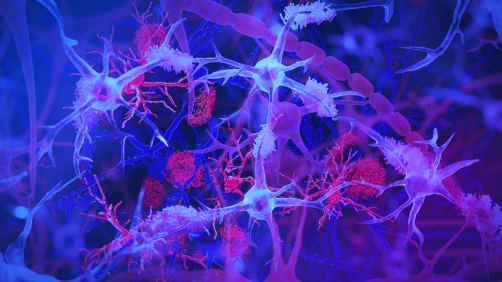
A collaborative study from the University of Eastern Finland and University of Helsinki examined what happens inside parvalbumin interneurons, specialized cells that act like the brain’s electrical engineers, maintaining the delicate balance between excitation and inhibition in neural circuits. These cells are particularly important in the prefrontal cortex, the brain region governing decision making, emotional regulation, and cognitive flexibility.
Cellular Power Plants Get a Makeover
Using advanced molecular techniques, researchers tracked gene expression changes in these interneurons after two weeks of fluoxetine treatment. The results surprised them: while genes related to mitochondrial energy production were dialed down, the actual number of mitochondrial DNA copies increased specifically in prefrontal cortex cells.
“We’re seeing a paradox,” explains Senior Researcher Juzoh Umemori from the University of Eastern Finland. The cells appear to be scaling back their energy machinery at the genetic level while simultaneously ramping up mitochondrial replication. ATP levels (the cell’s primary energy currency) remained stable, suggesting a careful recalibration rather than energy depletion.
This mitochondrial reorganization occurred alongside dramatic changes in the cells’ structural supports. Perineuronal nets, protective mesh-like structures that normally keep mature brain circuits locked in place, began weakening. Simultaneously, genes associated with cellular flexibility and connection remodeling switched on.
Depression’s Rigidity Problem
The findings align with emerging theories about depression as a disease of neural rigidity. When brain circuits become too fixed in their patterns, they resist the kind of adaptive changes needed for emotional healing and learning new coping strategies.
“The findings point to a new understanding of how antidepressants may help people recover: not only by lifting mood, but by giving the brain room to rewire its circuits by altering its energy systems.”
The study, published in Neuropsychopharmacology, used cutting-edge translating ribosome affinity purification to isolate actively translating genes specifically from parvalbumin interneurons. This cell-type precision allowed researchers to see changes that would be invisible in whole-brain analyses.
Among the 315 genes that changed expression, those involved in ion channel function and cellular signaling increased, while ribosomal proteins and mitochondrial respiratory chain components decreased. The pattern suggests cells shifting from high-output maintenance mode toward a more plastic, reconstruction-ready state.
Regional analysis revealed that these changes weren’t uniform across the prefrontal cortex. The prelimbic area, involved in fear expression, showed the most dramatic reductions in parvalbumin protein levels – a marker associated with increased plasticity potential. The anterior cingulate region displayed weakened perineuronal nets, while the infralimbic area remained relatively unchanged.
These regional differences may explain why fluoxetine’s effects vary between individuals and why certain types of therapy work better when combined with medication. If the drug creates windows of plasticity in specific brain regions, targeted behavioral interventions during treatment might prove more effective.
The research also identified potential biomarkers for treatment response. Changes in mitochondrial DNA levels or perineuronal net integrity could eventually help clinicians predict which patients will respond to fluoxetine and monitor treatment progress objectively.
However, several questions remain unanswered. The study used male mice exclusively, and sex differences in mitochondrial function and antidepressant response are well-documented in humans. The relationship between transcriptional changes and functional outcomes also requires further investigation.
The findings suggest new therapeutic approaches beyond traditional antidepressants. Treatments that directly target mitochondrial function or enhance neural plasticity might work faster or more effectively than current options. The research team suggests combining fluoxetine with interventions that promote synaptic stabilization once plasticity windows open.
For the millions taking fluoxetine worldwide, this research offers hope for more precise, effective treatments. Understanding how the drug works at the cellular level brings medicine closer to personalized depression therapy – matching specific treatments to individual brain circuit patterns rather than relying on trial and error.