

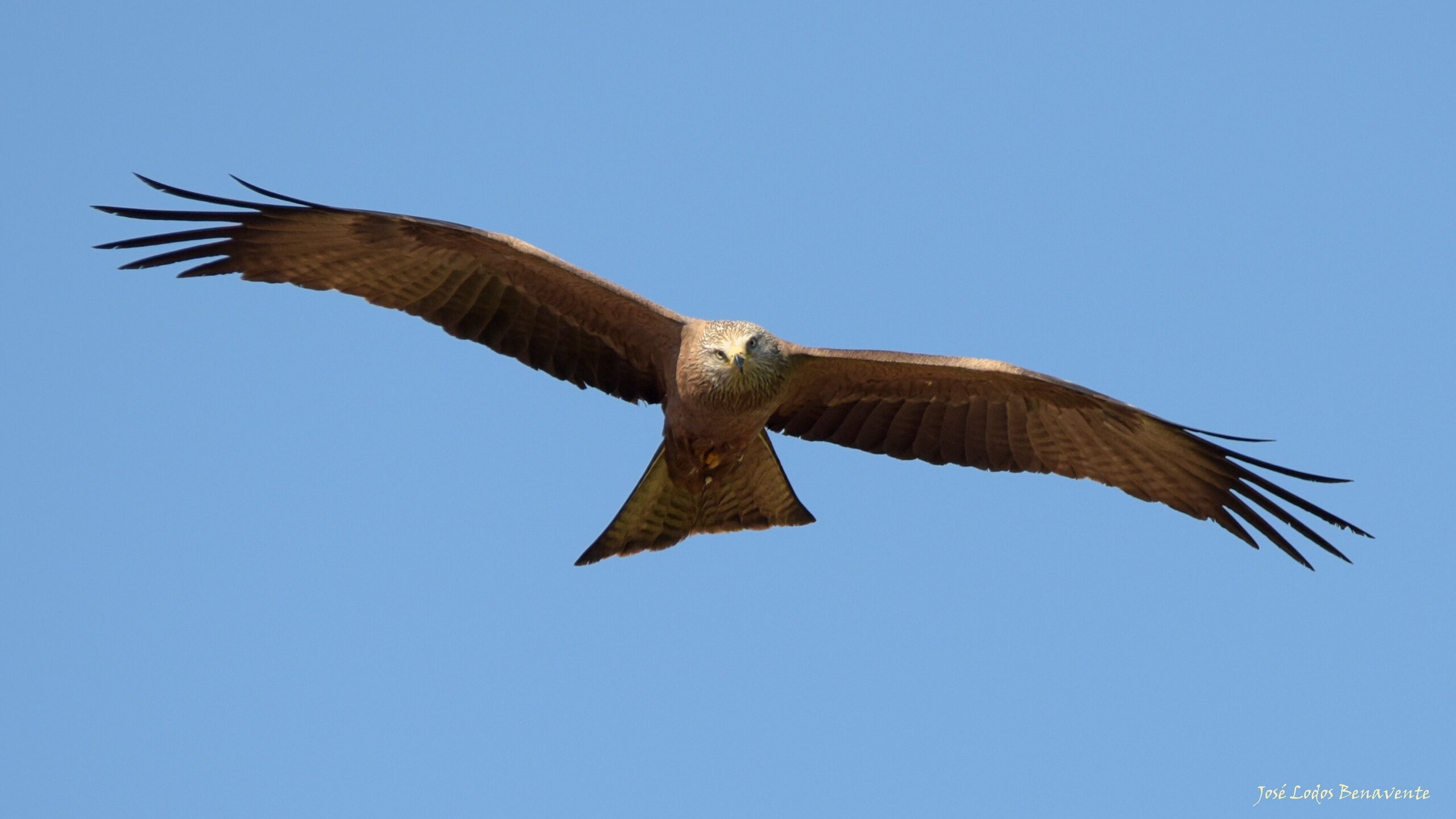
A study published on 11 September 2026 reports 22 breeding pairs of red kite in the province of Jaén, in Andalusia, southern Spain, following the release of 186 birds between 2021 and 2025 — and, along a high-risk power line retrofitted with anti-electrocution devices across 48 pylons, 802 GPS fixes from tagged kites with no mortality recorded on those mitigated structures.
That pairing of numbers is the point. Reintroductions of large raptors often run into the same infrastructure that helped empty the landscape in the first place; releasing birds into a corridor with lethal pylons can mean feeding a population sink. The Jaén work, published in Raptor Journal and available through reference-global, tracks what happened when the release programme and the line retrofit were carried out in the same area: a breeding population rebuilt from local absence, and a formerly dangerous stretch of line that tagged birds used repeatedly without dying on it.
From local breeding absence to releases
The red kite (Milvus milvus) had become extinct as a breeding species in Jaén in the early 2000s. That is a local, provincial loss, not the disappearance of the species — red kites persist elsewhere in Spain and across parts of Europe — but for Jaén it meant a raptor that had once nested there stopped doing so, and stayed gone.
Reversing that required birds on the ground. Following a habitat suitability assessment of the area, 186 individuals were released between 2021 and 2025. Of those, 181 were fitted with GPS transmitters, which is an unusually high proportion and the reason the rest of the study’s numbers exist at all. Transmitters turn a release into a dataset: where birds go after leaving the release site, how long they survive, which parts of the landscape they use heavily and which they avoid, and — when a bird stops moving — where and often why.
The monitoring also produced a mortality picture that the paper does not soften. Among monitored red kites there were 80 mortality events, of which 72 had an assigned cause. Natural causes accounted for 54.2%, with predation dominant (n=34). Anthropogenic causes accounted for 45.8%, led by poisoning (n=9) and electrocution (n=8). Reintroduced raptors die, and a substantial share of those deaths trace back to human activity. Any claim about mitigation has to sit inside that context rather than replace it.
The 48 pylons and the 802 fixes
One power line in the release area had previously been associated with elevated raptor mortality — a known black spot rather than a hypothetical risk. It was retrofitted with anti-electrocution devices across 48 pylons.
Electrocution on medium-voltage distribution lines is a well-understood mechanism. A large bird perching on a pylon crossarm can bridge the gap between a live conductor and an earthed structure, or between two conductors, using its own body. Retrofits work by removing the opportunity: insulating conductors near the pylon, moving perching positions away from live parts, or adding devices that make the dangerous spot unusable or harmless. The engineering is not exotic; the difficulty is usually deciding which pylons out of thousands to treat, and then paying for it.
The GPS data then provided an exposure record. The study reports that 21 reintroduced kites were tracked within the treated line area, producing 802 recorded locations across that corridor. None of the recorded fatalities was associated with the retrofitted structures.
Two limits matter for reading that result correctly. First, it is specific to that line: the zero applies to the 48 retrofitted pylons, not to the programme as a whole. The eight electrocution deaths recorded among assigned causes occurred elsewhere, on structures that had not been treated — which is, in a blunt way, the contrast that gives the retrofit result its meaning. Second, absence of recorded deaths on a set of structures is an observational finding, not a controlled experiment; 802 fixes from 21 birds is a real exposure record, but it is a record from one line in one release area over a few years, not a universal guarantee.
What it does establish is that tagged kites were genuinely present on and around structures that used to kill raptors, and that presence did not convert into carcasses at those structures. For infrastructure mitigation — a field where the counterfactual is usually invisible, because you cannot easily count the birds a retrofit saved — documented use plus documented absence of mortality is among the more concrete forms of evidence available.
What 22 pairs in 2026 actually measure
The breeding count rose quickly. Jaén had three pairs in 2023 and six in 2024, then 13 in 2025 and 22 in 2026. From a starting point of no breeding pairs at all, that is a population establishing itself and then compounding, as released birds reach breeding age and settle.
It is worth being clear about what that curve does and does not show. Twenty-two pairs is a provincial breeding population rebuilt from zero inside a few years — a meaningful conservation outcome for Jaén and for Andalusia. It is not evidence of species-wide recovery, and the study does not claim it is. Nor does the retrofit result mean the threat landscape has been solved: poisoning remained the leading anthropogenic cause of death among monitored birds, and predation was the single largest assigned cause overall. Mitigating one hazard does not remove the others.
The methodological contribution is the combination. Releases supplied birds; habitat assessment guided where; GPS tags measured survival and space use rather than assuming them; and the retrofit addressed a specific, previously documented mortality source inside the area where those birds were going to live. Reintroduction and infrastructure mitigation were treated as one problem instead of two.
The locked figures, then: 22 breeding pairs in Jaén in 2026, after 186 releases between 2021 and 2025, with 181 birds GPS-tagged; 48 retrofitted pylons; 21 birds and 802 fixes in the mitigated corridor; no mortality recorded on those structures. Not a finished recovery — a measured one.