

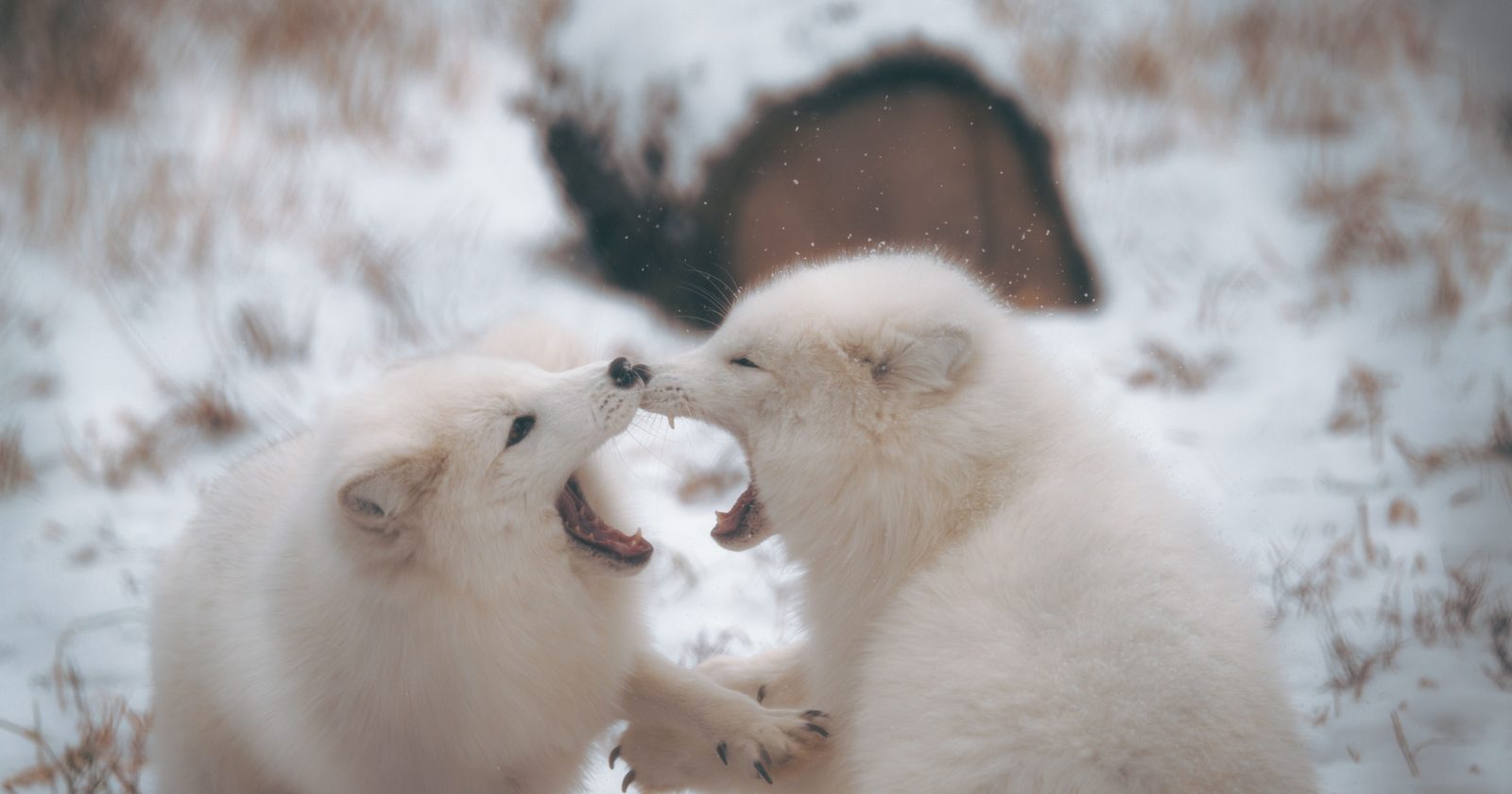
By 1921, 23 of the Aleutian Islands had been leased and stocked mainly with arctic foxes. The foxes were released so that trappers could return later and take their fur. Over the next two decades, nearly 27,000 fox pelts were pulled from 86 islands. The catch is where those islands sat: on land already set aside as a wildlife refuge.
The Aleutians became a refuge in 1913 and even after that the fox farming continued. The tidy picture a lot of us might carry, foxes as an invasive accident that slipped onto the islands and wrecked them, doesn’t quite hold. This was a policy, run and encouraged by the same government that was supposed to be protecting the birds.
The version most people assume
The comfortable telling goes like this: someone let a few foxes loose, nature did the rest, and the seabirds paid for a mistake. It’s the shape we give a lot of ecological disasters, an accident rather than a plan.
The Aleutian foxes don’t fit that shape. Russian fur traders first brought foxes to the islands in the 1700s, when sea otter numbers were falling and traders needed something else to sell. The releases went on for roughly two centuries. Between 1750 and 1936, according to the Fish and Wildlife Service delisting rule, arctic and red foxes were put on more than 190 islands within the breeding range of one bird alone, the Aleutian cackling goose.
What turned a trickle into an industry was money and encouragement, not accident. Between the 1890s and the 1930s, foxes were introduced across the islands, mostly arctic foxes with a smaller number of red foxes. At the peak in 1929, more than 400 farmers harvested fox pelts worth $900,000 across Alaska, according to a report by retired federal biologist Edgar Bailey.
Seabirds as free feed
The reason the islands were so good for fox farming is the same reason the foxes were a disaster for the wildlife. These islands were packed with seabirds that nested on the ground and in burrows, birds that had evolved with no land predators and nowhere to hide. To a trapper, that was a stocked pantry that would feed the foxes for free.
The setup ran itself. The ground-nesting birds made easy meals for the foxes, and almost every island a boat could land on ended up stocked with animals that would breed and hunt on their own.
The birds didn’t just get eaten. Removing them pulled a thread out of the whole island. A UCSC-led study in Science found that the foxes cut the flow of seabird droppings onto the land. That lost fertilizer turned lush grassland into scrubby, low-growing tundra. The hardest-hit bird was the Aleutian cackling goose. By 1962 the geese hung on only on a single remote island, Buldir, which the foxes never reached.
Why it ended, and why that matters
The fox industry didn’t stop because anyone had a change of heart about the birds. It stopped because the money dried up. Fur prices fell during the Great Depression, and the islands were largely emptied of people when the Aleutians were evacuated during the Second World War. Economics and a war were the drivers, not conscience.
That matters because it means the birds were left with the damage but without a rescue. The foxes stayed on the islands, breeding and hunting, long after the trappers had gone. What was needed next was a deliberate reversal, and that took a while to arrive.
The agency undoing its own policy
Beginning in 1949, the U.S. Fish and Wildlife Service started removing the foxes, island by island, to bring the native birds back. This is the part that gives the whole story its odd symmetry. The agency doing the trapping runs the refuge, and it is part of the same government that spent decades encouraging the fox farming in the first place.
The logic was straightforward. You can’t run a wildlife refuge and farm foxes on it at the same time, and the way to bring the goose back was to take the foxes off the islands, one by one.
The removals have added up. By 2015, foxes had been cleared from 45 islands, and Steve Delehanty, who manages the Alaska Maritime refuge, called the effort “a big deal.” Seabirds have started returning to land they hadn’t been able to use for generations.
The clearest measure of the reversal is the goose that nearly vanished. The Aleutian cackling goose recovered enough to be removed from the Endangered Species List in 2001, its population back up around 37,000. The great conservation success of these islands is, at bottom, the refuge spending seventy-odd years cleaning up a business it once ran itself.