

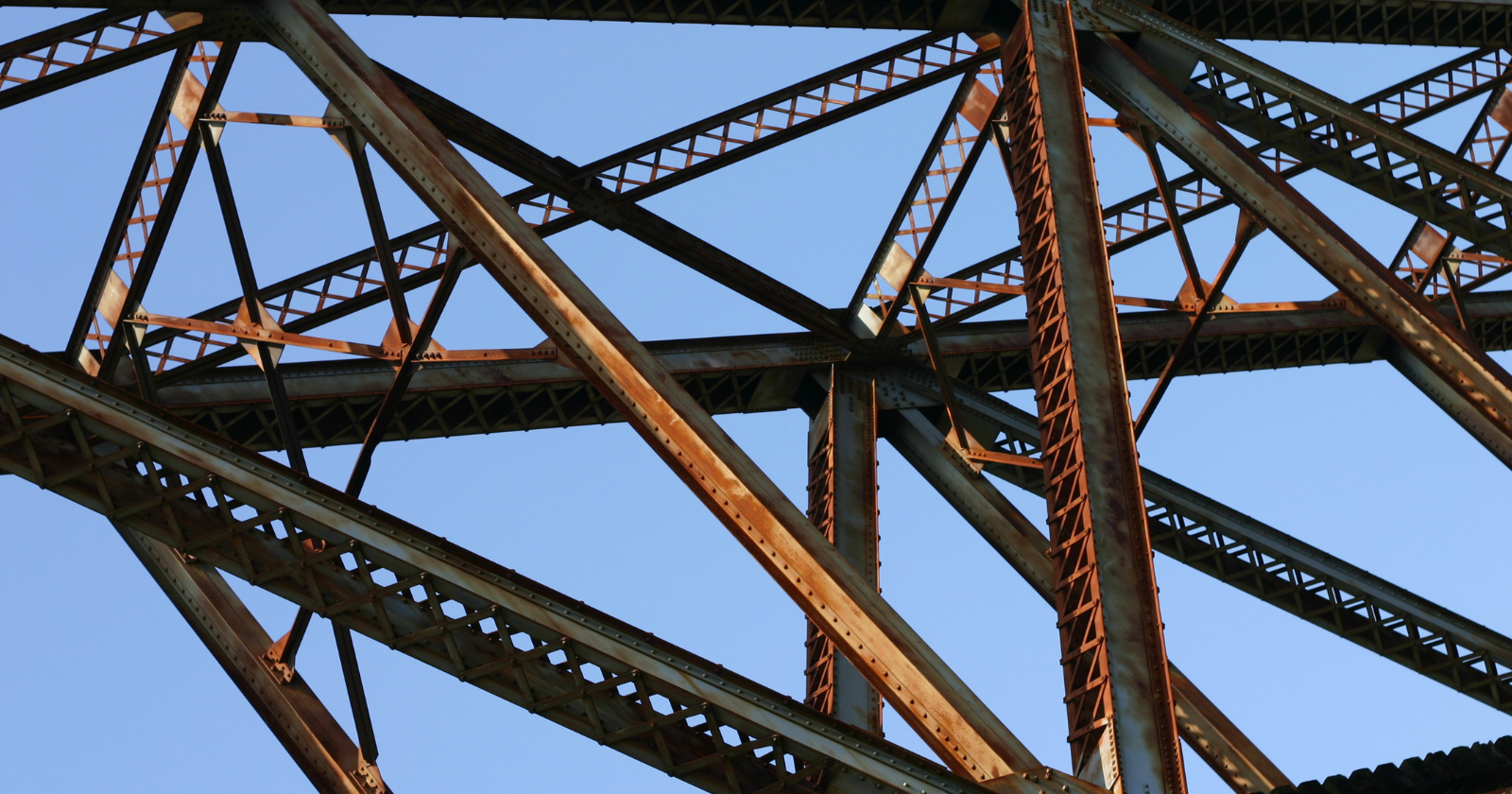
Early on the morning of January 28, 2022, a bridge in Pittsburgh dropped out of the sky. The 447-foot-long Fern Hollow Bridge, which carried Forbes Avenue over Frick Park, collapsed and fell about 100 feet into the park below. Six vehicles were on or near the span, including a transit bus, and several people were hurt.
What makes the collapse worth returning to is what investigators found when they went looking beyond this one bridge. They checked ten others like it in Pennsylvania. The same problems were waiting.
The morning the bridge fell into Frick Park
When the National Transportation Safety Board examined the wreckage, it focused on the structure’s four steel legs. Investigators found corrosion, deterioration and section loss across all four of the bridge’s legs, tied to the continual accumulation of water and debris that blocked the drains. They also reviewed the inspection reports for the 17 years before the collapse, a paper trail that turned out to matter as much as the steel.
In its final report, the board settled on a specific chain of events. NTSB Chair Jennifer Homendy described the Fern Hollow Bridge as one that “collapsed from extensive corrosion and section loss due to reported failures to act on known maintenance and repair recommendations that were documented in inspection reports from 2005 to 2021.” That last phrase is the one worth pausing on. The problems were not hidden. They were written down, over and over, for the better part of two decades.
Why weathering steel needs to dry out
The Fern Hollow Bridge was built from a material that behaves in a way most people never think about. It was uncoated weathering steel, designed to protect itself. As the NTSB puts it, “uncoated weathering steel requires periods of dryness to form a protective oxide coating, or patina, that resists corrosion over time.” In plain terms: the steel rusts a little on purpose, and that thin outer rust becomes a shield, but only if the metal gets to dry out between soakings.
Take away the drying, and the shield never forms. On the Fern Hollow Bridge, the board found exactly that. “Debris, dirt, and leaves were blocking the drainage systems on the Fern Hollow Bridge, allowing water to drain onto areas not intended for water flow and preventing the protective patina from forming,” the NTSB said. Water that should have run off instead pooled where it wasn’t supposed to, kept the steel permanently damp, and let the corrosion keep eating in. The bridge was made from a material that could have looked after itself, and the maintenance failures took that ability away.
The finding that reframed it: ten other bridges
During the investigation, NTSB investigators did not stop at the collapsed structure. They examined ten similar weathering steel bridges in Pennsylvania.
According to the board, “NTSB investigators found other Pennsylvania bridges with similar issues with drainage, debris accumulation and corrosion.”
The board named specific examples in its interim report, documenting built-up debris, poor drainage and associated corrosion on the Fahy Bridge in Bethlehem, the McCallum Street Bridge in Philadelphia, and the Shenango Road Bridge in Darlington. Those aren’t obscure back-road crossings. They’re bridges people drive over without a second thought.
The concern did not end at the state line. The NTSB urged officials to examine more than 10,000 similar-construction bridges nationwide for the same kind of corrosion. That number is what turns a single collapse into something closer to a category of risk.
What “maintenance” actually means here
It’s easy to hear “maintenance problem” and picture something minor, a chore that slipped down the list. The record suggests something more persistent. The corrosion on Fern Hollow had been noted in inspection reports since 2005, and inspectors flagged that the drains had clogged again in every report between 2011 and 2021. The most recent inspection noting the deterioration was completed four months before the collapse.
The NTSB’s written conclusion put the failure squarely on follow-through. The report found that maintenance activities called for in numerous inspection reports were not completed. The problem was named. The fix was recommended. The work was not done.
Finding the corrosion was only half the job; correcting it was the half that got left undone.
How we’d read the ten-bridge check
The instinct after a disaster like this is to treat it as a one-off, a freak combination of bad luck and one badly run bridge. The ten-bridge check argues against that reading. When investigators went looking for the same conditions elsewhere and found them on the similar structures they examined, the story stops being about a single bridge and starts being about how a whole class of bridge gets looked after.
Our read is fairly plain. Weathering steel bridges are, in a sense, self-maintaining, but only if their drains are kept clear enough to let the steel dry. Keeping drains clear of leaves and dirt sounds almost too ordinary to be the thing that decides whether a bridge stands. On this evidence, it can be. The debris that clogged Fern Hollow’s drains is the same debris sitting on other bridges right now, and the difference between a bridge that quietly forms its patina and one that loses its legs may come down to whether someone shows up to clear it.
That is why the ten-bridge finding reads to us less like a footnote to a Pittsburgh accident and more like a warning addressed to every owner of a bridge like this one. The corrosion at Fern Hollow was documented for years before the span came down. The useful question the investigation leaves behind is not what went wrong on Forbes Avenue. It’s whether anyone is reading the inspection reports on the bridges everyone else drives over.