

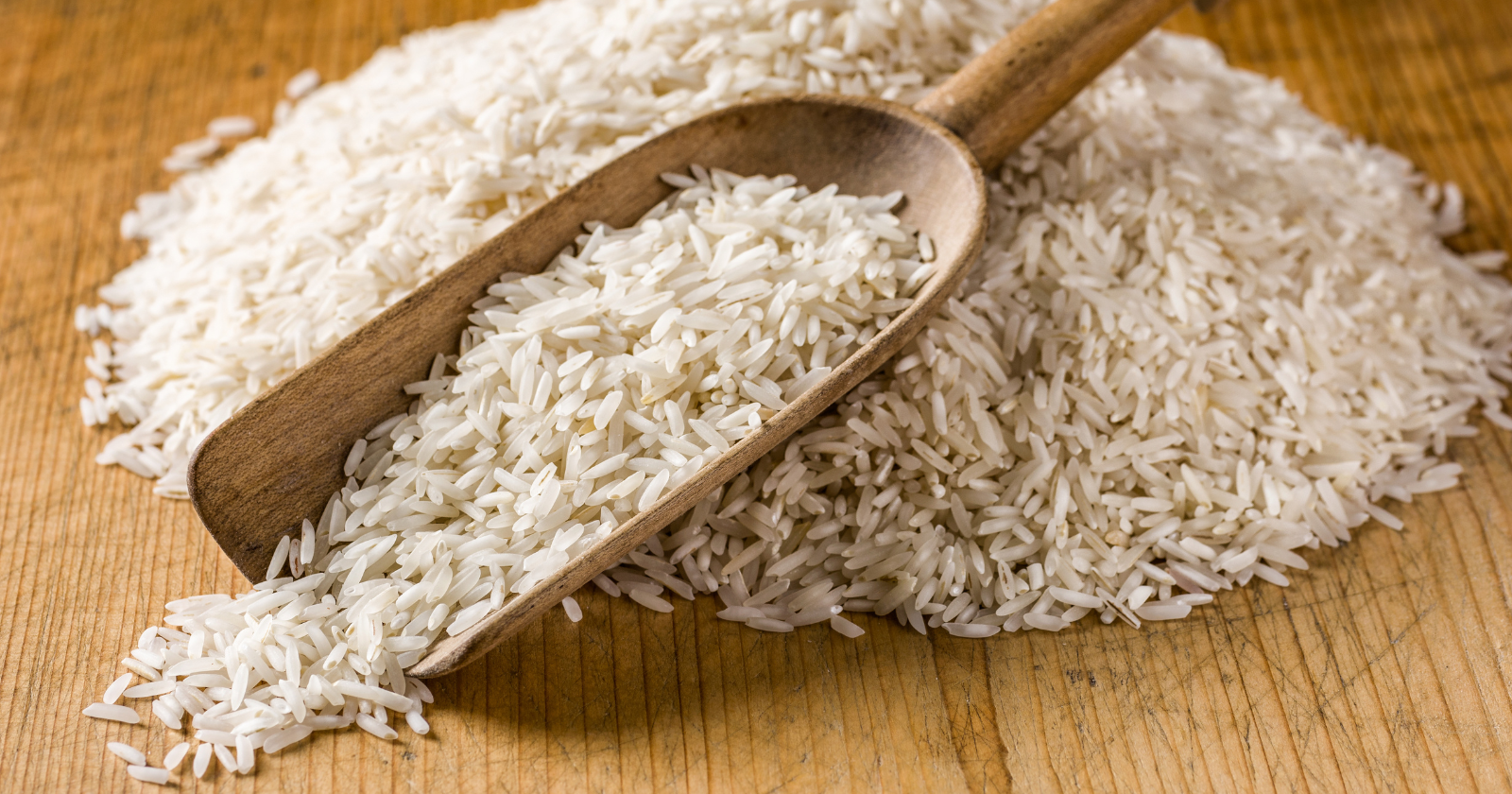
Why would anyone cook egg yolk and old rice into a battery material? It sounds like a cooking show that took a wrong turn. But the ingredients make more sense than they first appear, and the result is a black powder that can hold and release an electric charge thousands of times over.
The work comes from a 2023 study ,led by Shumeng Qin and colleagues at Henan University, with a co-author at Fudan University.
The pitch is simple. Egg and leftover rice are two of the most ordinary food wastes there are. Egg is rich in protein, which means nitrogen. Rice is rich in starch, which means carbon. Both are useful if what you want to build is a carbon electrode, the part of a device that stores and releases charge.
A note before we go further: we are not chemists or materials scientists, and nothing here is buying advice or a claim about a product you can go out and get. This is one lab study, and we are reading it as curious generalists, not vouching for it as settled science.
What the researchers actually did
The recipe is a two-step one. First the mixed egg and rice waste gets heated in a controlled way that drives off most of what isn’t carbon, leaving a char behind. Then that char is treated with potassium hydroxide, a caustic chemical that, under heat, etches the carbon full of holes. This second step is what turns a plain lump of char into something riddled with internal surface area.
The best version used a one-to-one mix of egg to waste rice, a sample the team labeled YPAC-1. The researchers reported that this sample “was found to have a 3D honeycomb structure composed of abundant micropores and mesopores with a high specific surface area of 1572.1 m2 g−1.” That number is the whole point. A single gram of this powder, if you could flatten out all its interior walls, would cover something like a large apartment’s floor. That figure applies to one optimized sample under specific conditions, not to every egg-and-rice carbon you could cook up.
Why the tiny holes matter
All that surface area matters because of how a supercapacitor stores energy, which is different from how a battery does it.
As the manufacturer Knowles puts it in a technical blog post, “Unlike batteries, which store energy through chemical reactions, supercapacitors store energy electrostatically, enabling rapid charge/discharge cycles.” That’s a manufacturer’s simplification, since some real devices do involve a bit of chemistry too. But the core idea holds: a supercapacitor mostly stacks charge on the surface of its electrodes rather than driving reactions deep inside them.
If charge lives on the surface, then more surface means more charge. The honeycomb of tiny pores is a way to pack a huge amount of surface into a small pinch of powder. In the same test, YPAC-1 stored charge at a rate of 446.22 F/g at 1 A/g, a solid figure for a carbon made from kitchen scraps.
There is a tradeoff. Storing charge on the surface is fast and gentle on the material, but it holds less total energy than the chemistry inside a battery. That’s why supercapacitors charge and drain in seconds and survive far more cycles, while batteries pack more energy but wear out sooner. A battery’s useful life is usually in the low thousands of cycles, against a supercapacitor’s much longer range, often in the hundreds of thousands.
The 10,000-cycle number
This brings us to the headline test. The team charged and drained the material over and over, and reported that “the capacitance retention was 82.26% after up to 10,000 cycles.” After ten thousand rounds of filling and emptying, the powder still held a little over four-fifths of the charge it managed on the first go.
Losing under a fifth of your capacity after that many cycles is a decent sign of durability. One flag, though: this was measured in the lab in a way designed to isolate the material’s own behavior. It is not the same as the lifetime you’d get from a finished device sitting in a phone or a bus, where all the other parts age too. And it’s a single result from a single paper, not a settled property of the material.
What to make of it
The appeal of using food waste as a starting material is easy to see once you look at the scale of the problem. The UN put global food waste in 2022 at 1.05 billion tonnes, with the largest share, around 60 percent, happening in households. A raw material that cheap and that abundant is worth a second look for almost anything, and turning some of it into carbon for energy storage is a genuinely appealing idea.
The authors themselves frame it as an opening rather than a finished thing. Recycling this kind of waste into porous carbon, they suggest, points to the potential of using mixed food waste as a starting material for porous carbon. That word “potential” is worth keeping in mind. This is a lab-scale demonstration, and the leap from a well-behaved gram of powder to a manufacturing process that competes on cost, consistency, and safety is a long one that this paper does not attempt to make.
Our read is narrower than the kitchen-to-battery framing invites. Two throwaway ingredients, heated the right way, produced a material that stores charge well and holds up to hard, repeated use in a controlled test. That’s a real result and a reasonable basis for continued study. Whether it ever leaves the lab is a different question.