

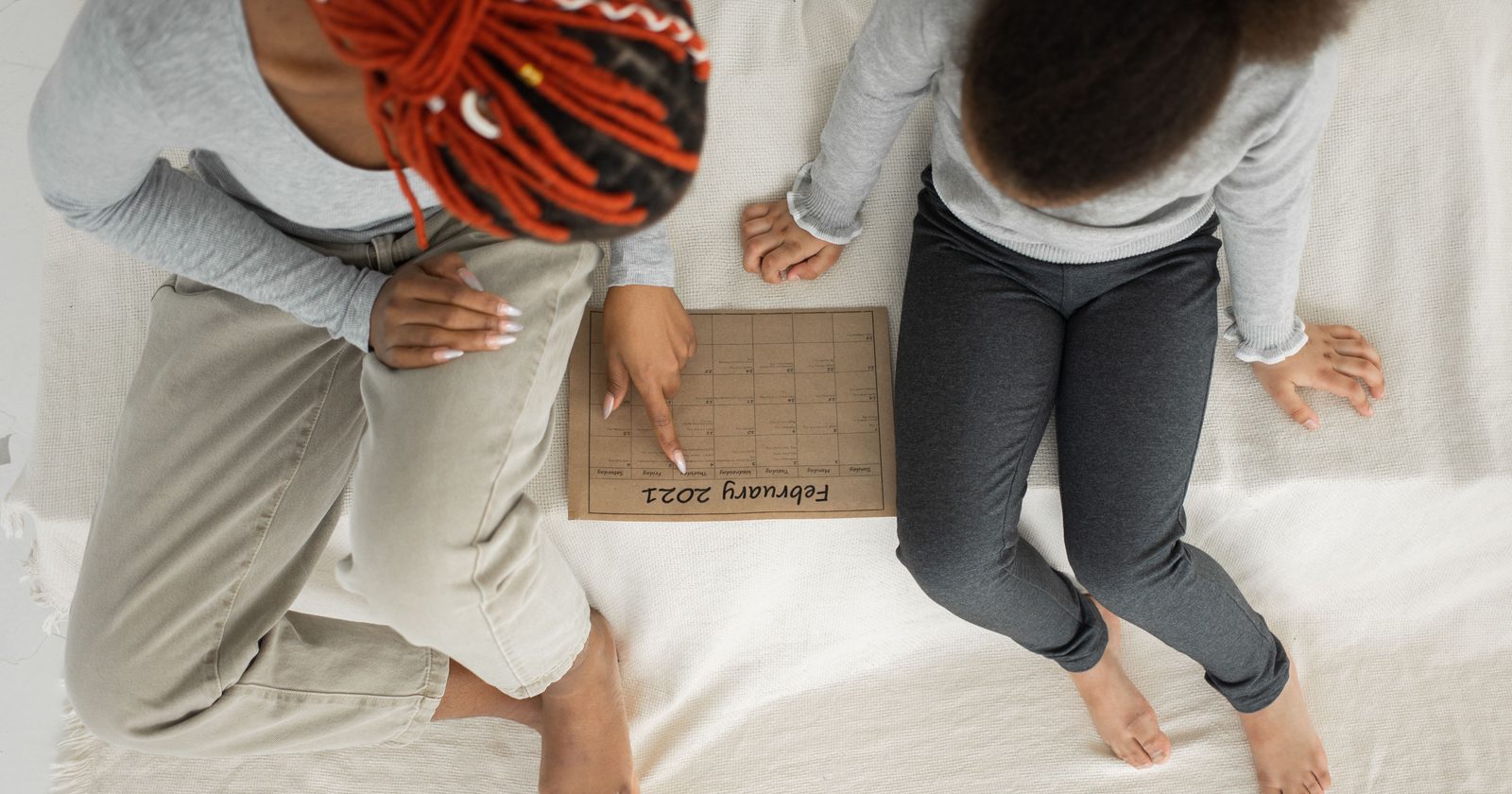
When psychologists surveyed 393 married or partnered mothers with children under 18, almost nine in ten said they felt solely responsible for organising the family’s schedule. And 65 percent of those women held a paid job at the same time. That’s a lot of women carrying the whole mental map of family life while also clocking in somewhere else.
We are not psychologists, therapists, or family researchers. What follows is our reading of one study and the reporting around it, not advice. The research is correlational and based on what mothers reported about themselves, so it describes patterns across a group of women, not a rule about your household.
This isn’t just “being organised”
The easy way to wave off a finding like this is to call it a personality thing. Some people are planners. Some people keep the calendar. Maybe these mothers simply liked being in charge, and the number reflects temperament rather than anything unfair.
We think that reading misses what was actually measured. The 2019 study, led by Lucia Ciciolla at Oklahoma State University and Suniya Luthar at Arizona State University and published in the journal Sex Roles, wasn’t asking who prefers a tidy schedule. It was trying to name and measure something households rarely track: the thinking and worrying that goes into running a family, as opposed to the visible chores.
That distinction is the whole point. As Ciciolla put it, “Even though women may be physically doing fewer loads of laundry, they continue to hold the responsibility for making sure the detergent does not run out.” Someone else can fold the washing. Remembering that the detergent is nearly gone, and getting it on the list before it runs out, is a different job. That second job is the one the study went looking for.
What “invisible labor” actually means
A sociologist who studies the same thing, Allison Daminger, breaks this mental work into recognisable parts: spotting what a household will need, weighing the options, deciding, and then keeping an eye on things to make sure they stay on track.
Spotting a need and monitoring it don’t look like anything. There’s no load of laundry to point at, no dish in the sink. Just the constant background awareness of who needs new shoes, which form is due, whose birthday is coming, and when the schedule is about to collide with itself. Because it produces nothing you can see, a partner can genuinely miss it happening, and the person doing it can struggle to explain why they feel worn out when, on paper, the chores are split.
The scheduling figure was the headline result, but not the only lopsided one. Among the women surveyed, 50 to 78 percent “felt that they alone were carrying the responsibility for children’s well-being,” Ciciolla told ABC News.
Some decisions were more evenly shared. Instilling values in children and making big financial calls were more often reported as joint work. The day-to-day routines and the emotional monitoring were not.
Why it matters where the load lands
In the study, feeling disproportionately responsible, especially for children’s emotional well-being, went along with lower satisfaction with life and with one’s partner, feelings of emptiness, and a sense of being stretched too thin.
That correlation deserves some care. This is one survey of 393 women, mostly college-educated and middle to upper class, capturing only the mothers’ own reports. It’s a clue about a pattern, not a diagnosis, and not proof that the arrangement causes distress.
Ciciolla’s own read leans on the invisibility of it all. Speaking about the findings, she said: “Women are beginning to recognize they still hold the mental burden of the household even if others share in the physical work, and that this mental burden can take a toll.” A modest, careful claim, and we’d read it the same cautious way she states it.
What a household can do with this
None of this comes with a prescription, and we’re not in a position to hand one out. What the research offers is a vocabulary, and that alone seems to help. When the work has a name, it stops being an invisible quirk that one person happens to have and becomes a task list a household can actually look at and divide.
That’s close to how the researchers frame the upside. Ciciolla has said that addressing inequalities in invisible labor “can allow women and families to create households that are more functional and less burdensome.” Not by working harder, but by making the hidden list visible enough to share, including the spotting and monitoring that usually go unassigned because no one names them out loud.
If the mental load in your own house feels genuinely crushing rather than just uneven, talking it through with a counsellor or your doctor is worth more than carrying it silently.