

The color mauve became a mass-market commodity because an 18-year-old chemistry student looked twice at the residue from a failed experiment. In 1856, William Henry Perkin was trying to synthesize quinine, an important treatment for malaria, when his work produced a dark, unpromising material instead.
Perkin did not make quinine. What he found was mauveine: the first commercially successful synthetic organic dye. The discovery did not create organic chemistry from nothing, but it demonstrated with unusual force that laboratory chemistry could be turned into an industrial product, manufactured at scale and sold to ordinary consumers.

An Easter experiment in East London
Perkin was born in London in March 1838. He entered the Royal College of Chemistry at 15, studied under the German chemist August Wilhelm von Hofmann and became one of Hofmann’s assistants. An Indian Express account of his life places him at 18 when he made the discovery.
During the Easter vacation of 1856, Perkin continued experimenting in a makeshift laboratory at his family’s home in East London. Hofmann had been interested in the possibility of synthesizing quinine, which was then obtained from cinchona bark. Perkin tried using compounds derived from coal tar, a plentiful by-product of the expanding gas industry.
The molecular reasoning behind the proposed synthesis was wrong. Chemists did not yet possess a reliable picture of quinine’s structure, and Perkin’s reaction produced a dark, tar-like material rather than medicine.
The purple solution inside a failed reaction
Failure alone did not make mauveine. The important step was Perkin’s decision to examine the residue rather than discard it.
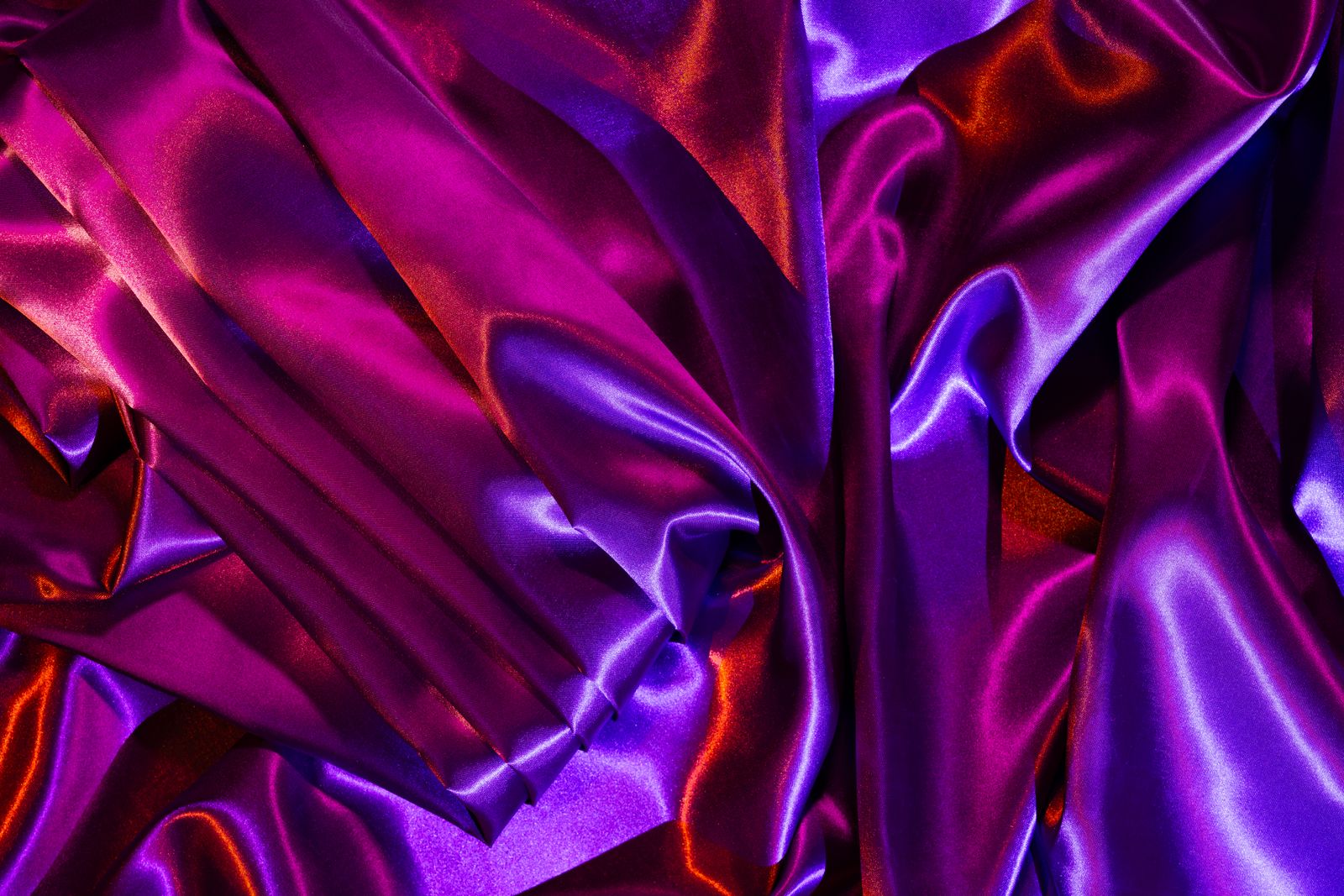
When alcohol was used during the cleaning and extraction process, part of the dark material produced a vivid purple solution. The Times of India describes the deposit turning purple after Perkin cleaned the container with alcohol.
Perkin tested the material on textiles and found that it could dye silk a striking purple. The result was valuable not simply because the color was attractive, but because it could be made from industrial raw materials rather than harvested from plants, lichens, insects or shellfish.
Natural purple dyes varied greatly. Some were expensive, some difficult to produce consistently and some vulnerable to fading. Perkin’s dye offered manufacturers a new proposition: a brilliant color created through repeatable chemical processing.
From laboratory residue to commercial product
Perkin’s most consequential achievement came after the accident. He recognized that the purple substance might have commercial value, sought advice from professional dyers and began working out how it could be manufactured reliably.
He filed a British patent in August 1856. With financial backing from his father and assistance from members of his family, he established a dyeworks at Greenford, west of London. As Wired recounts, Perkin patented the dye, pursued industrial-scale production and helped establish the first synthetic-dye factory in 1857.
The substance was initially promoted under names including aniline purple and Tyrian purple. The name mauve, taken from the French word for the mallow flower, became fashionable later. Mauveine is now the name generally used for Perkin’s chemical dye.
The fashion craze that made chemistry visible
Mauve arrived at a moment when mechanized textile production was expanding and fashion could move quickly through newspapers, courts, shops and the growing middle class.
The color was associated with prominent figures including Empress Eugénie of France and Queen Victoria, helping turn purple clothing into a widely noticed fashion. British commentators eventually joked about the spread of the “mauve measles.”
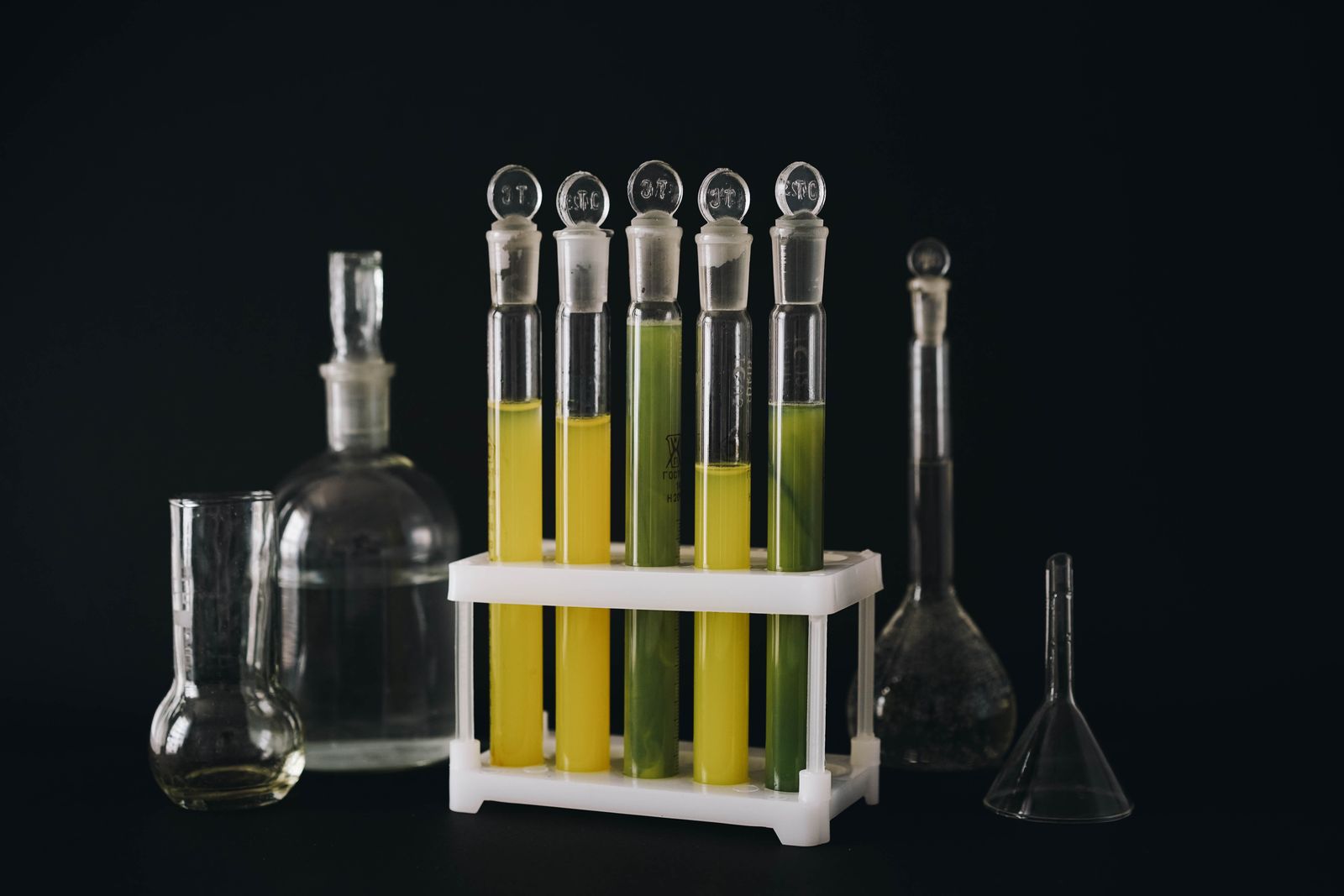
The exact royal garments associated with mauve have often been embellished in later retellings. What matters historically is that Perkin’s dye escaped the laboratory and became a recognizable consumer product. Chemistry was suddenly visible in dresses, ribbons and fabrics rather than confined to lecture rooms and experimental glassware.
Why mauveine mattered beyond fashion
Mauveine’s success encouraged chemists and manufacturers to search coal-tar compounds for other useful colors. New synthetic dyes appeared rapidly, and companies began building research laboratories around the systematic creation and testing of organic compounds.
British and French manufacturers were early leaders, but German firms soon invested heavily in chemical research, technical education and industrial production. Companies such as BASF, Bayer and Hoechst began in the dye business and helped make Germany the dominant center of the international dyestuffs industry by the end of the 19th century.
The importance of the new industry extended beyond color. Dye chemistry required chemists to isolate compounds, investigate molecular structures, control reactions and reproduce results at factory scale. Those capabilities later supported developments across pharmaceuticals, photographic chemicals, explosives, plastics and other branches of industrial chemistry.
That does not mean every modern medicine or chemical company descended directly from Perkin’s factory. It means mauveine provided an early and unusually profitable demonstration of a model that would become central to modern chemical industry: scientific research feeding directly into manufacturing.
Luck was only the beginning
Perkin’s story is frequently paired with Louis Pasteur’s observation that chance favors the prepared mind. The phrase fits, provided the word “prepared” includes more than noticing an unusual color.
Perkin had enough chemical training to investigate the residue. He understood enough about textiles to test whether the color would remain on fabric. He contacted commercial dyers, protected the process through a patent, found capital and confronted the practical problems of manufacturing the dye consistently.
The accident supplied the unexpected result. Perkin’s analysis and entrepreneurship turned that result into an industry.
A short-lived dye with a long industrial legacy
Mauve’s first fashion boom did not last indefinitely. Other synthetic dyes entered the market, sometimes offering stronger colors or better performance. The original mauveine process became less commercially important even as the industry it had helped establish expanded dramatically.
Perkin sold his dyeworks in 1874, at the age of 36, and returned his attention to research. He continued making important contributions to organic chemistry and was knighted in 1906, the 50th anniversary of his discovery.
The first Perkin Medal was presented that same year. It remains one of the most prestigious honors associated with applied and industrial chemistry in the United States.
The complicated world synthetic color created
The ability to manufacture color chemically reshaped textiles, printing, paint, cosmetics and food. It also created environmental and regulatory problems that 19th-century manufacturers were poorly equipped to manage.
Questions surrounding synthetic color additives continue today. In the United States, regulators and manufacturers have been reconsidering petroleum-derived food dyes. The Associated Press reported in February 2026 that the FDA was changing labeling rules while the administration pursued a broader effort to phase synthetic dyes out of the food supply.
That modern debate is far removed from Perkin’s silk experiments, but it belongs to the same larger history: once chemists learned to manufacture color, societies also had to decide which synthetic compounds were useful, which were safe and how their production should be controlled.
For more on how chance discoveries have reshaped chemistry, see Science Blog’s coverage of the accidental origins of penicillin and the history of coal-tar pharmaceuticals.
The discovery was not simply the color
Perkin died in 1907, a year after receiving his knighthood and the first Perkin Medal. Mauveine itself was eventually overtaken by newer dyes, but the industrial habit it embodied did not disappear.
The enduring breakthrough was the connection Perkin made between an unexpected laboratory result and a manufacturable product. He did not merely find a purple substance. He tested it, protected it, built production around it and showed that synthetic organic chemistry could alter what millions of people bought and used.
The black residue in the flask was an accident. The industry that followed was not.