

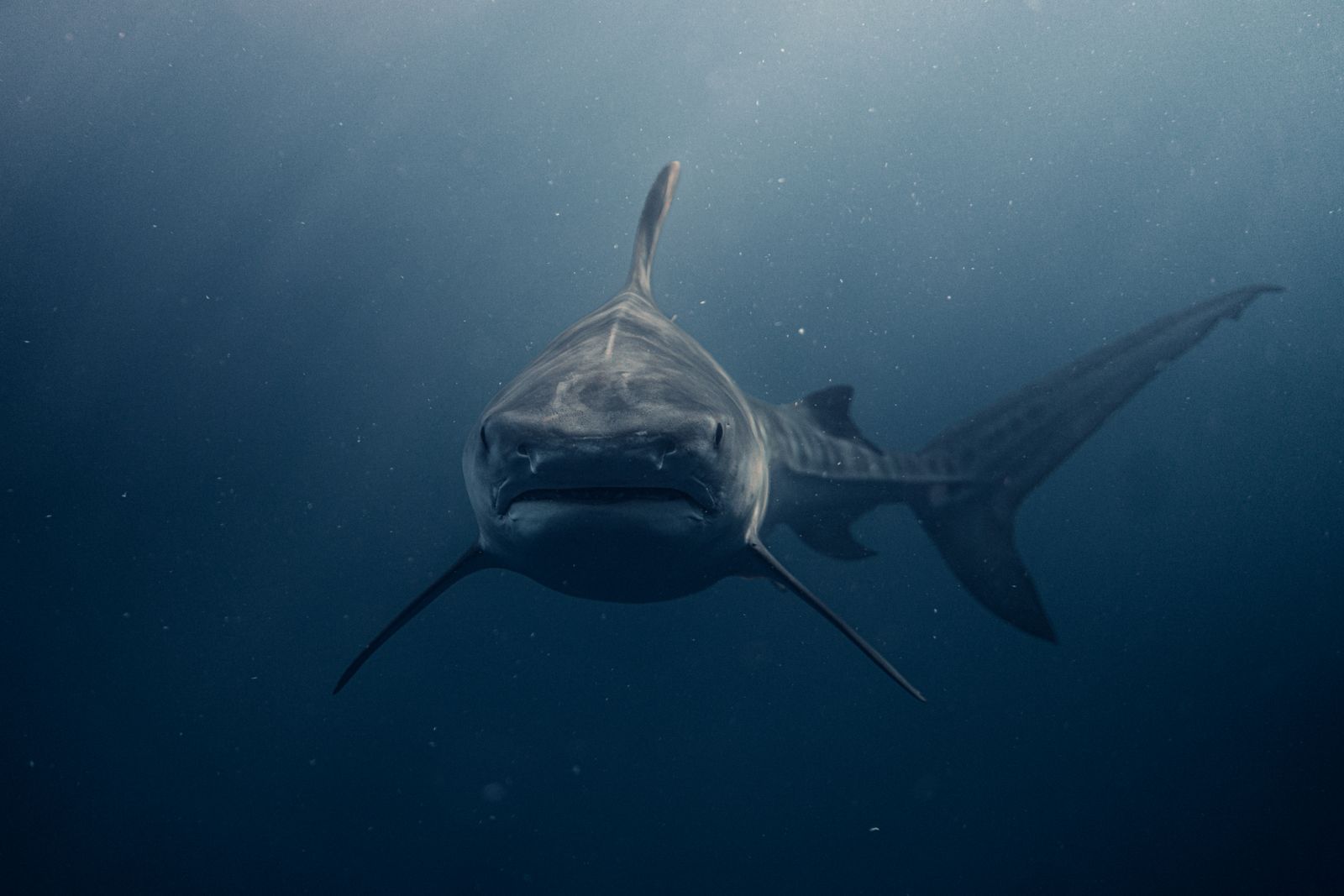
The global extinction picture for sharks and rays is substantially worse than one in five. In the most recent comprehensive global reassessment, experts examined 1,199 sharks, rays and chimaeras and found 391 species, or 32.6 percent, already qualified as threatened; when Data Deficient species were accounted for, the estimated share rose to 37.5 percent. The IUCN SSC Shark Specialist Group described the result as more than one-third of the group facing extinction risk.
The IUCN Red List’s 2026 summary puts the best estimate at roughly 38 percent. Freshwater and estuarine sharks and rays can be in an even more precarious position because the same animals face fishing pressure alongside dams, habitat degradation, pollution and major gaps in basic biological knowledge.
What the global figure actually counts
The modern global baseline is not 547 species. The 2021 reassessment covered 1,199 members of the class Chondrichthyes: 536 sharks, 611 rays and 52 chimaeras.
There are two percentages worth keeping separate. The directly assessed total was 391 threatened species, or 32.6 percent. Researchers estimated the true proportion at 37.5 percent after accounting for Data Deficient species that could not yet be assigned a complete conservation status.
That distinction explains why different summaries can show figures in the low-to-high 30s without contradicting one another. What they do not support is treating one in five as the current global baseline.
The main pressure is fishing. The global reassessment identified overfishing as affecting all 391 species classified as threatened, while habitat degradation, climate change and pollution compound the pressure for portions of the group.
Freshwater sharks and rays face a different kind of exposure
Most sharks and rays are marine, but some move repeatedly between salt and fresh water while others depend heavily on estuaries. A peer-reviewed review of euryhaline and estuarine sharks and rays identified 29 species in those categories and found 72.4 percent were either threatened with extinction or Data Deficient.
Euryhaline species can tolerate large shifts in salinity and may use rivers or estuaries during important stages of their lives. Freshwater-obligate rays, particularly several South American stingrays, spend their entire lives away from the sea.
The management problem is partly geographic. In an ocean, an animal may range across enormous areas. In a river system, a dam, heavily fished reach or degraded estuary can interrupt one of the few routes available to an entire local population.
The research gaps are just as important. The review found that movement, reproduction, habitat use and population structure remain poorly understood for many non-marine species, making it harder to know which stretches of water are indispensable until they are already altered.
A bull shark record from India’s Western Ghats
One example comes from the Vashishti River in western India. In August 2025, independent researcher Priyankar Chakraborty published Bull sharks in the Vashishti River, western India: insights from social media, using publicly shared footage as evidence that bull sharks were using the river system.
Bull sharks are among the best-known sharks capable of spending substantial time in fresh water. Even so, a record from a river where their presence had received little scientific attention illustrates how incomplete distribution maps can remain, particularly when observations depend on fishers, local communities or incidental captures rather than systematic surveys.
The stingray that moved about 170 kilometres
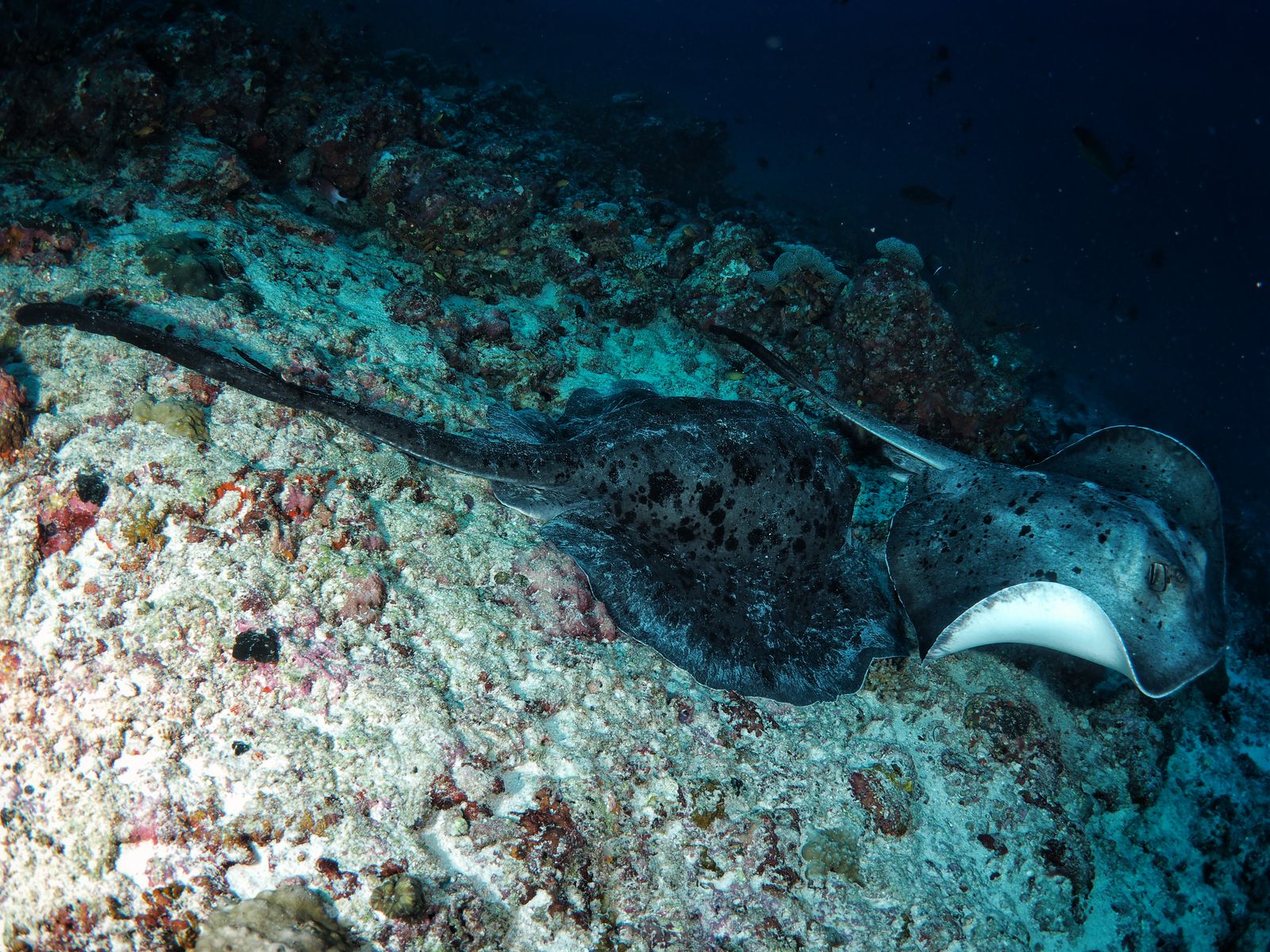
Freshwater rays can also move much farther than a simple map of one river reach might suggest. A 2026 study in Aquatic Conservation: Marine and Freshwater Ecosystems documented a female giant freshwater stingray, Potamotrygon brachyura, moving approximately 170 kilometres after being tagged and released in Argentina’s lower Paraná River.
The authors described it as the longest movement yet recorded for an obligate freshwater elasmobranch. That matters for conservation because an animal crossing that much river cannot necessarily be protected by managing one short local reach in isolation.
What Sharks International 2026 actually said
Those concerns were prominent at Sharks International 2026, held in Colombo, Sri Lanka, from May 4 to 8. According to Oceanographic’s report from the conference, more than 800 participants from more than 80 countries attended and researchers presented more than 600 scientific papers.
Daniel Fernando, co-founder and director of Sri Lanka’s Blue Resources Trust, argued that governments already have enough evidence to act rather than using incomplete data as a reason for delay. His organization hosted the meeting and runs Sri Lanka’s long-term fisheries monitoring work on sharks, rays and chimaeras.
That monitoring has recorded more than 105 shark and ray species in Sri Lankan fisheries. Oceanographic reported that more than 70 percent are considered threatened under the IUCN Red List, while only five receive national legal protection.
The conference also launched the Asian Shark and Ray Alliance to strengthen regional cooperation across the Global South. Guy Stevens, chief executive and founder of the Manta Trust, used his keynote to emphasize the gap between scientific knowledge and the political action needed to slow further declines.
The next Sharks International conference is due to be hosted by the Marine Research Foundation in Malaysia. The significance of that handoff is not the calendar itself but what population assessments look like by the time researchers meet again.
Where bycatch fits in
Directly targeted fishing is only part of the pressure. A 2026 global inventory from University of British Columbia researchers assembled more than 9,000 records spanning 1895 to 2021 and found records of more than 3,000 fish species in bottom-trawl catches. The researchers estimated the real number could be nearly twice as high.
The inventory included critically endangered giant guitarfish and endangered zebra sharks. It also found that, where targeting information was available, roughly 95 percent of recorded species were not the intended targets of the fisheries, showing how fishing pressure can extend far beyond the species a vessel set out to catch.
That is one reason bycatch is difficult to read from seafood markets alone. Animals caught unintentionally and discarded, retained under broad categories or never recorded to species level can disappear from the ecological picture long before they appear in a conventional catch statistic.
The bright spots are narrow but real
There are examples showing what focused protection and recovery work can look like. In Raja Ampat, Indonesia, researchers studying walking sharks recorded the highest population density yet documented for the genus, with densities reaching 2,462 sharks per square kilometre at one study site.
That finding should not be stretched into proof that every protected population will rebound on the same timetable. What it does show is that a locally restricted shark can persist at high density where habitat and legal protection align.
Thailand is testing another approach. The StAR Project Thailand breeds Indo-Pacific leopard sharks in human care, acclimates juveniles in a sea pen near Maiton Island and monitors released animals with acoustic telemetry and diver observations. ReShark reports that seven juvenile leopard sharks have so far been released through the Thailand project.
These are species-level interventions rather than solutions to the global decline. A successful release programme in Thailand cannot offset overfishing across thousands of kilometres of ocean, and a healthy walking-shark site in Raja Ampat cannot protect a shark moving through an unmonitored river elsewhere in Asia.
What more than one in three actually means
The strongest global evidence now points to a group under much greater pressure than the old one-in-five figure suggests. The exact percentage varies according to how Data Deficient species are treated, but the broad result is stable: roughly a third or more of sharks, rays and chimaeras face threatened status.
That vulnerability is tied partly to biology. Many species grow slowly, mature relatively late and produce fewer young than the bony fishes commonly managed as high-volume fisheries. When mortality rises faster than reproduction can replace animals, recovery can take years or decades even after pressure is reduced.
The Colombo conference report described the coming decade as a decisive window. The wording is dramatic, but the underlying constraint is biological: populations with slow turnover cannot instantly rebuild when management finally catches up.
Freshwater records make that problem especially visible. A shark appearing in a river or a stingray travelling 170 kilometres is not just an unusual observation. It can reveal that the scale at which people have been managing the animal is smaller than the scale at which the animal actually lives.
The next assessments will measure whether better monitoring, fishing limits, habitat protection and targeted recovery efforts are changing that trajectory. The useful baseline is no longer 547 species and one in five. It is a much larger assessed group, with more than one in three facing a recognized risk of extinction.