

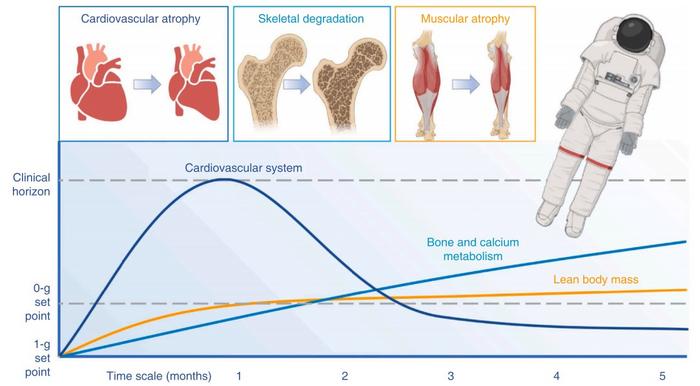
As humans venture deeper into space on extended missions, a new generation of flexible wearable devices is emerging as crucial lifelines for monitoring astronaut health in real-time. These ultrathin, skin-like sensors could soon become as essential to space travel as oxygen tanks and radiation shields.
The space environment presents unique dangers to the human body. Microgravity causes blood and fluid to shift toward the head and chest, reducing cardiac load and disrupting normal blood pressure regulation. Without Earth’s magnetic field, astronauts face heightened radiation exposure, particularly during spacewalks. Temperature extremes further complicate matters.
A comprehensive review published in the journal Wearable Electronics highlights how these smart devices tackle the multiple health concerns astronauts face, from cardiovascular changes to muscle atrophy.
“The space environment, characterized by microgravity, radiation exposure and extreme temperature fluctuations, poses significant challenges to astronauts’ health, including bone density reduction and muscle atrophy,” the researchers note in their paper.
Unlike traditional bulky monitoring equipment, these flexible sensors conform to the body, providing continuous data without restricting movement during critical mission activities. They integrate multiple sensor types into seamless systems that can track everything from heart rhythms to radiation exposure.
The technology shows particular promise in four critical areas: cardiovascular monitoring through photoplethysmography (PPG) and electrocardiography (ECG) sensors; musculoskeletal assessment using electromyography sensors; brain function tracking with electroencephalogram technology; and environmental adaptability monitoring with specialized sensors that measure ambient conditions.
For astronauts performing delicate tasks in difficult conditions, these devices offer more than just health data. They provide early warning systems for potential medical issues before they become emergencies — critical when the nearest hospital is hundreds of thousands of miles away.
Despite their potential, significant hurdles remain. The review identifies three major challenges: maintaining device stability in the harsh space environment, protecting astronaut privacy, and integrating diverse data streams into meaningful health insights.
Looking ahead, researchers emphasize that breakthrough development will require interdisciplinary collaboration across materials science, sensor technology, and artificial intelligence. Next-generation devices will likely incorporate self-sustaining power through energy harvesting technologies, converting an astronaut’s movements into electricity.
“The future of this technology hinges on innovations in materials, the creation of intelligent algorithms, improvements in user experience and interdisciplinary collaboration aimed at enhancing astronaut health monitoring and promoting the progress of human space exploration,” the authors write.
Intriguingly, the researchers suggest future exercise protocols might draw inspiration from nature, mimicking the spiral movements of birds in flight and fish in water to better maintain musculoskeletal health in zero gravity.
As space agencies prepare for missions to Mars and beyond, these flexible, unobtrusive health monitors could become the silent guardians of astronaut wellbeing, constantly vigilant for the subtle physiological changes that signal trouble in the unforgiving void of space.