
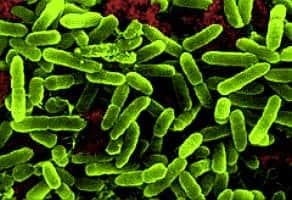
Researchers from the University of California San Diego have identified a potential new target against Pseudomonas aeruginosa infections – which could be applied to help treat all gram-negative infections.
It was found that by interfering with the Mla pathway in P. aeruginosa, the bacteria became more permeable, and more susceptible to immune components.
P. aeruginosa, an opportunistic gram-negative bacteria, is a significant health threat in hospitals, preferentially infecting immunocompromised patients. It’s associated with several infections such as urinary tract infections, bacteraemia and ventilator-associated pneumonia, and worryingly, is also linked with the ability to resist several classes of antibiotic.
A major contributing factor to
ScienceBlog.com has no paywalls, no sponsored content, and no agenda beyond getting the science right. Every story here is written to inform, not to impress an advertiser or push a point of view.
Good science journalism takes time — reading the papers, checking the claims, finding researchers who can put findings in context. We do that work because we think it matters.
If you find this site useful, consider supporting it with a donation. Even a few dollars a month helps keep the coverage independent and free for everyone.