

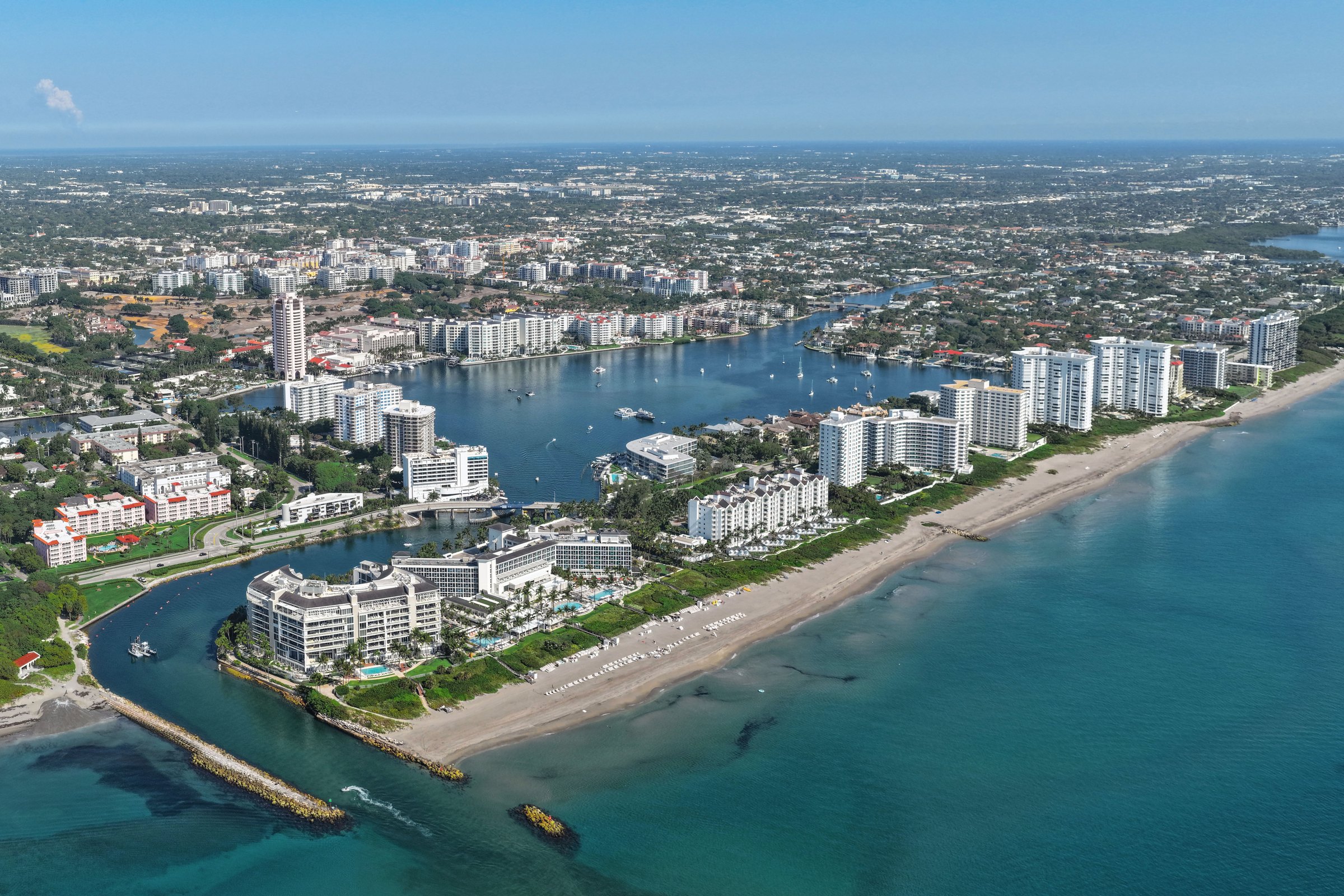
Hannah Herbst won the Discovery Education 3M Young Scientist Challenge in October 2015, at the age of 15, with a propeller generator that turned the movement of water in the Boca Raton Intracoastal Waterway into enough electricity to light a set of LEDs. The prize was $25,000 and the title America’s Top Young Scientist.
She called the device BEACON, for Bringing Electricity Access to Countries through Ocean Energy. None of the 2015 coverage, from the press release to Business Insider, FAU and her finalist profile, gives a wattage for it, and a search found no published BEACON design or product since. The LEDs are the measured result.
Herbst is now chief executive of Golden Hour Medical, a medical device company founded in Boca Raton, Florida, in 2021, which makes AutoTQ. In Business Insider this March she described it as “a patented, FDA-registered automatic tourniquet.” Her path from BEACON to the tourniquet company runs through science fairs.
Her own site lists a Forbes 30 Under 30 place in 2018, then first place and Best of Category at the Intel International Science and Engineering Fair in 2019, the year she graduated from FAU High School. That is her account, not an independent record.
The 2015 final was in St. Paul, Minnesota. Florida Atlantic University, whose campus high school she attended, said she beat nine other finalists. The device was a 3D-printed propeller connected by a pulley inside a PVC pipe to a hydroelectric generator, which turned the movement of the current into electricity.
Business Insider said it was made of recycled materials and cost just $12. Herbst also calculated that a scaled-up version could charge three car batteries at once in under an hour, though that was a calculation, not a test.
The idea came from a pen pal. The competition announcement says the project was inspired by her “desire to help her 9-year-old pen pal living in Ethiopia who lacks a reliable source of power and electricity.” She spent three months of the competition working with a mentor, the 3M corporate scientist Jeffrey Emslander.
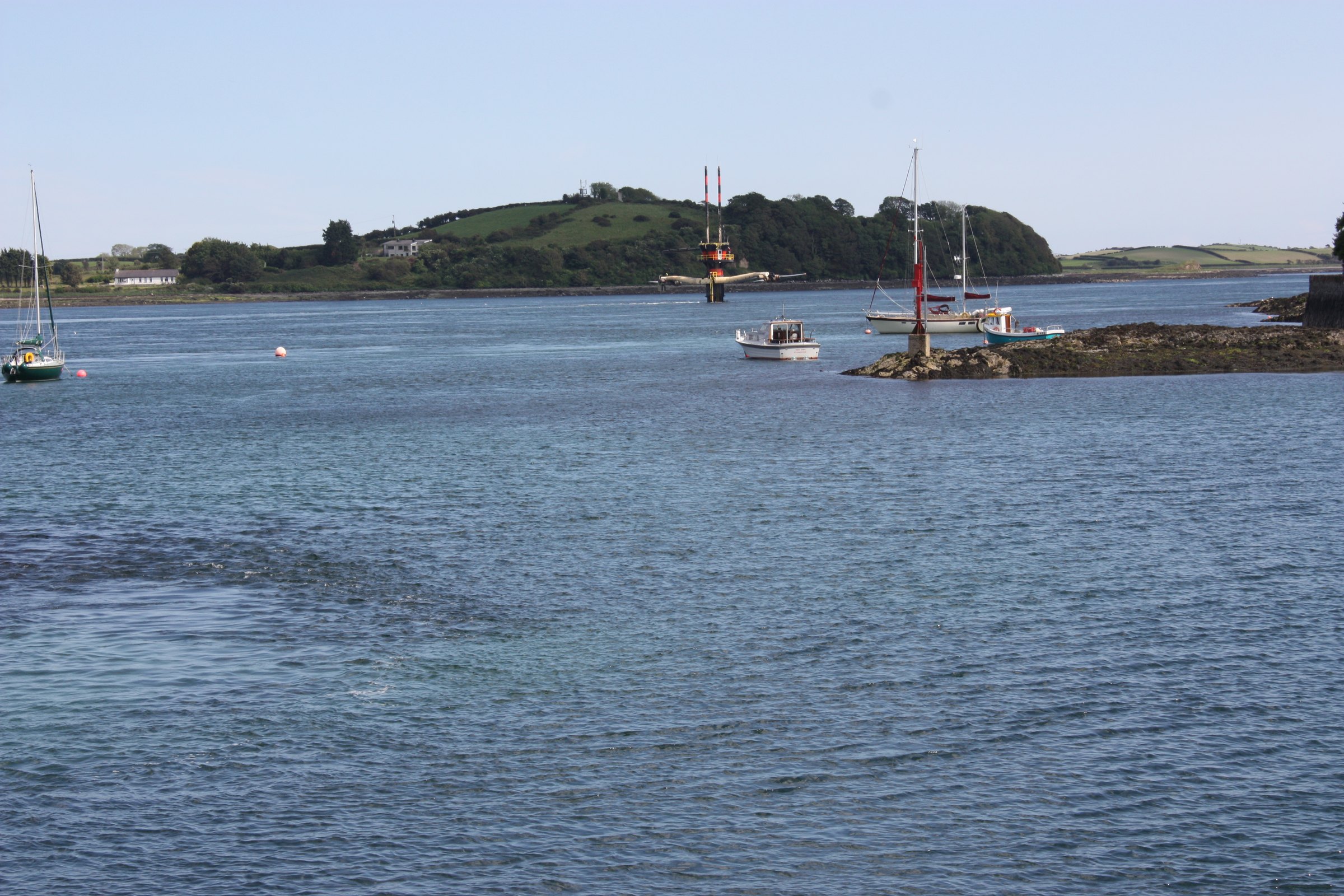
In her finalist profile she named SeaGen, the tidal turbine in Strangford Lough, as her favourite invention of the past century, describing it as a machine that “obtains current energy from tidal flux.”
She sent $3,000 of the prize money to Compassion International, the nonprofit that had put her in touch with 9-year-old Ruth and her family in Dessie, Ethiopia, Medill News Service reported in April 2016. Later she received pictures of the generator the family bought with it.
By then she was working with 3M on how to bring BEACON to market, and she knew the goal was still a way off. That same month she was one of the students at the sixth White House Science Fair.
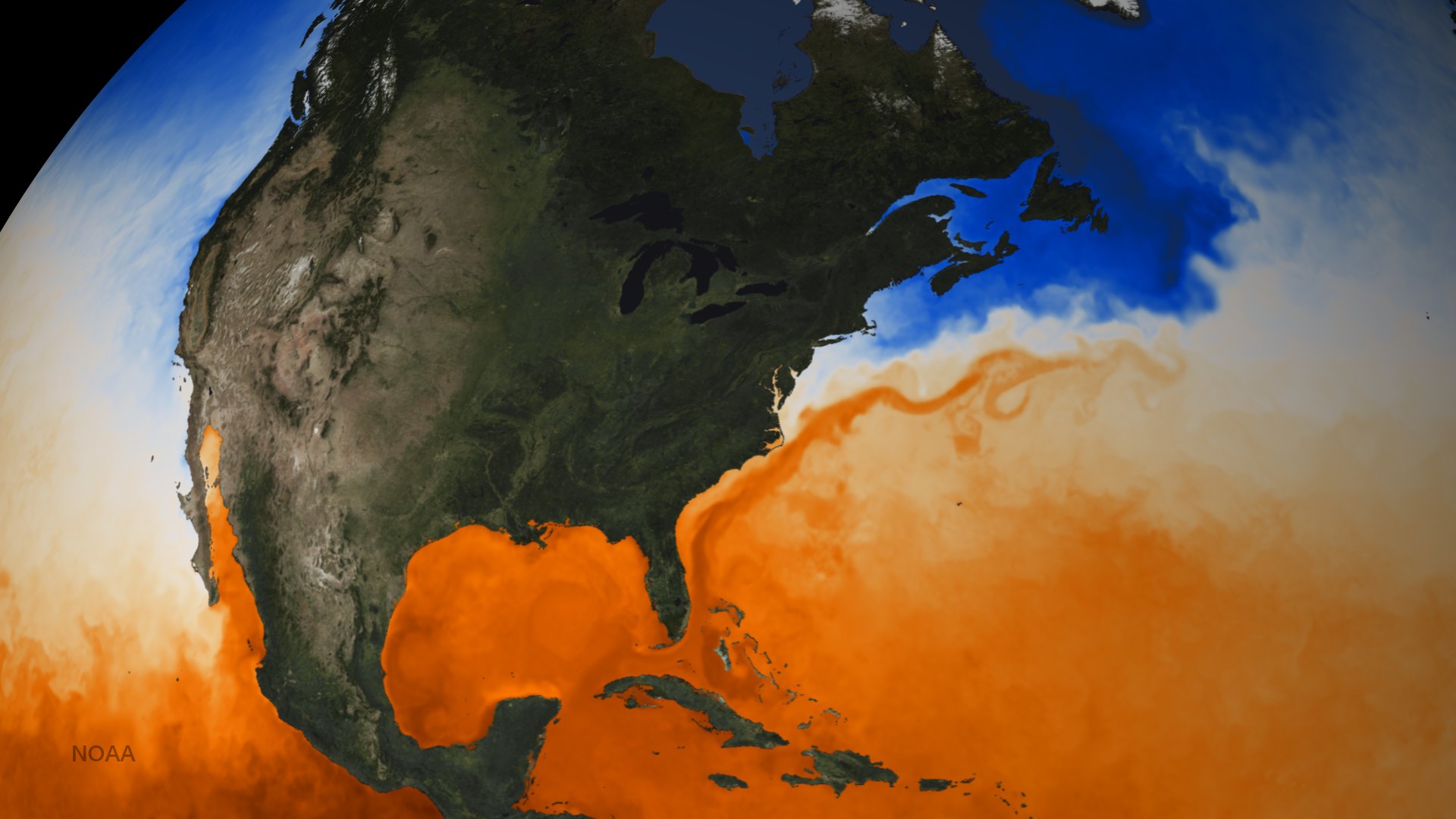
The current she was aiming at has not gone anywhere. NOAA’s Atlantic Oceanographic and Meteorological Laboratory tracks the Florida Current with a submarine telecommunications cable laid across the Florida Straits between West Palm Beach and Grand Bahama, and puts its long-term average flow at 32 Sverdrups.
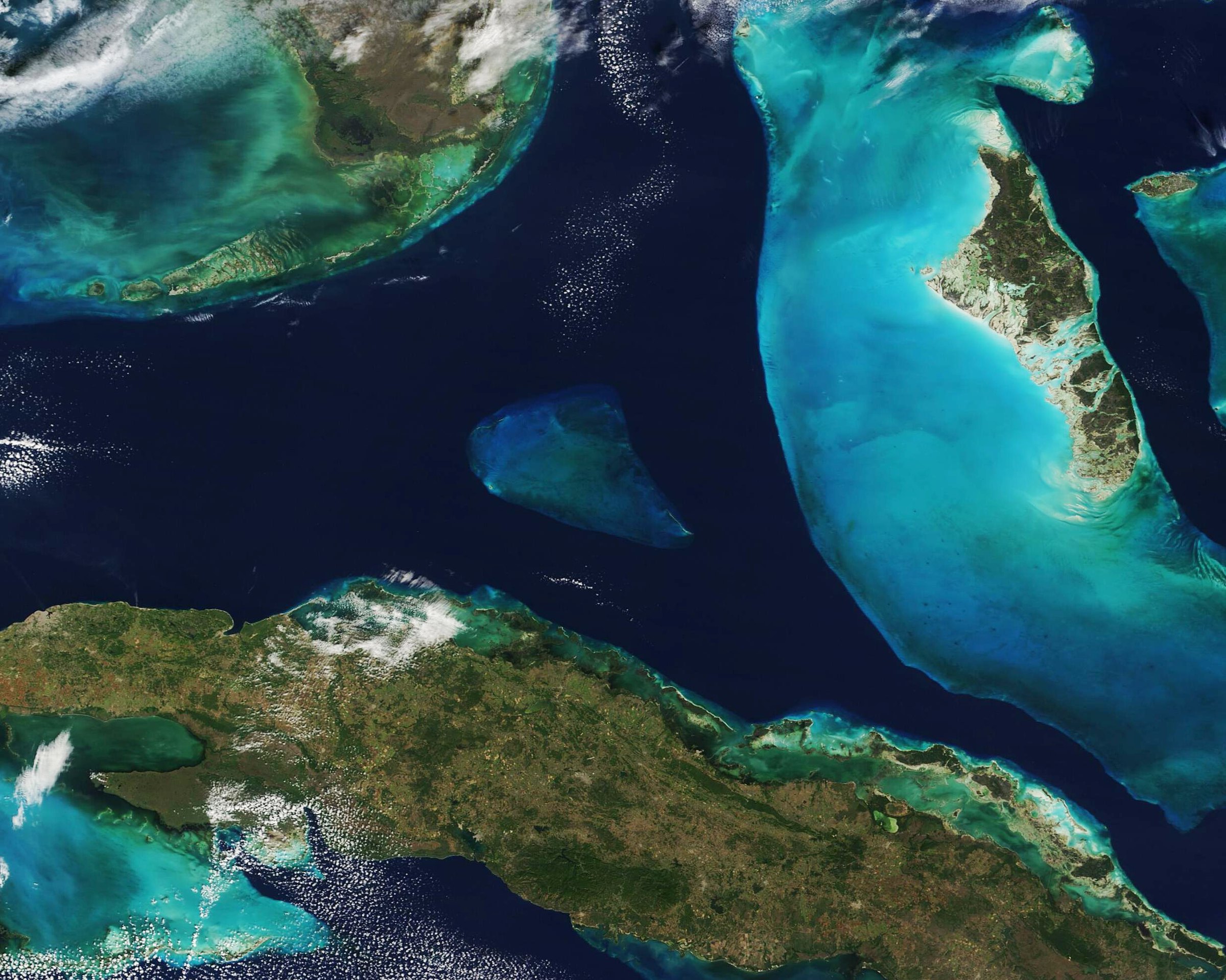
A Sverdrup is a million cubic metres a second, so that is about 32 million cubic metres of water passing every second.
FAU’s marine energy center says that of the marine energy options open to the United States, only open ocean currents like this one are steady and reliable enough for utility-scale power. The Bahamian shelf squeezes the current in close to shore, near major population centers. Other designs for the same kind of water, such as underwater kites, are being studied elsewhere.
The Department of Energy’s Water Power Technologies Office gave the center $800,000 in October 2024 for a feasibility study of a grid-connected ocean current test facility offshore Palm Beach County. The center had already secured the first U.S. offshore marine energy lease.
Gabriel Alsenas, then its director, said that proving a full-scale project can be “integrated safely and economically” is “only possible with a dedicated offshore test facility connected to the grid”.
“I think projects like Hannah Herbst’s BEACON probe are a great example of how marine energy innovation can begin with a very simple idea and accessible materials,” Yufei Tang, an electrical engineer and associate director of the center, said in an email.
A student prototype in PVC and 3D-printed parts is “obviously very different” from the full-scale systems built in his lab, he said, but the basic engineering process is the same either way: understand the resource, design something that can capture energy from it, test the idea, learn from the results and keep improving.
The difference now is how far each step goes, through hydrodynamic modelling, controls, power electronics, sensing, artificial intelligence and ocean testing. Projects like hers are important, he said, because they make that path tangible for the engineers who come next.
Herbst’s probe showed that moving water in the Intracoastal could turn a propeller and light LEDs. What it could not show, how much power a full-size machine in the Florida Current can send to the grid, still has no place to be tested.
FAU’s center was renamed the Southeast Marine Energy Center on 1 July 2026. Its project list still describes the test facility work as a preliminary feasibility study, and its 2024 announcement said that “No active ocean current test facilities exist globally.”

.JPG)
.jpg)
.png)