Alzheimer’s Drugs Clear the Plaques but Leave Patients No Better Off

Drugs that target amyloid beta proteins in the brain likely have no clinically meaningful positive effects, while increasing the risk of bleeding and swelling in the brain, a new Cochrane review has found.

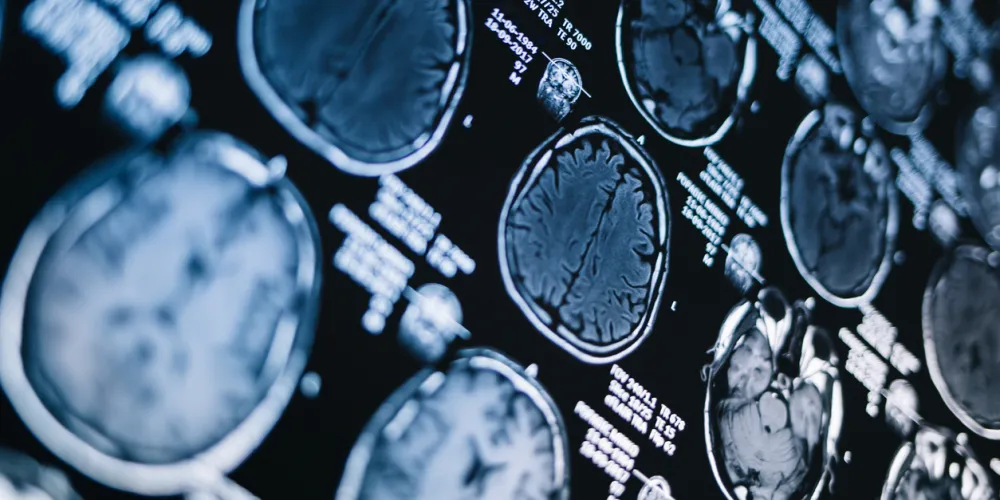
The brain scans look unambiguous. After 18 months of treatment, the amyloid plaques that riddle the brains of early Alzheimer’s patients are visibly reduced, sometimes dramatically so. The drug is doing exactly what it was designed to do: hunting down those sticky protein deposits and clearing them away. So why aren’t the patients getting better? … Read more

AI System Finds Crucial Clues For Diagnoses In Electronic Health Records

clinician carrying a health record

In hospitals where seconds matter, physicians often face a data paradox: vast electronic records but little time to extract meaning. Researchers at the Icahn School of Medicine at Mount Sinai have now developed an artificial intelligence system that transforms this flood of information into structured insight. The tool, called InfEHR, interprets how clinical events relate … Read more

AI Chatbots Often Spread Medical Falsehoods, Study Finds

clownish looking ai chatbots at a call center

Artificial intelligence chatbots like ChatGPT are being widely used in healthcare, but a new study warns they may be dangerously susceptible to medical misinformation. Researchers at the Icahn School of Medicine at Mount Sinai found that leading AI models often repeat or even elaborate on false clinical details embedded in user questions, raising serious safety … Read more