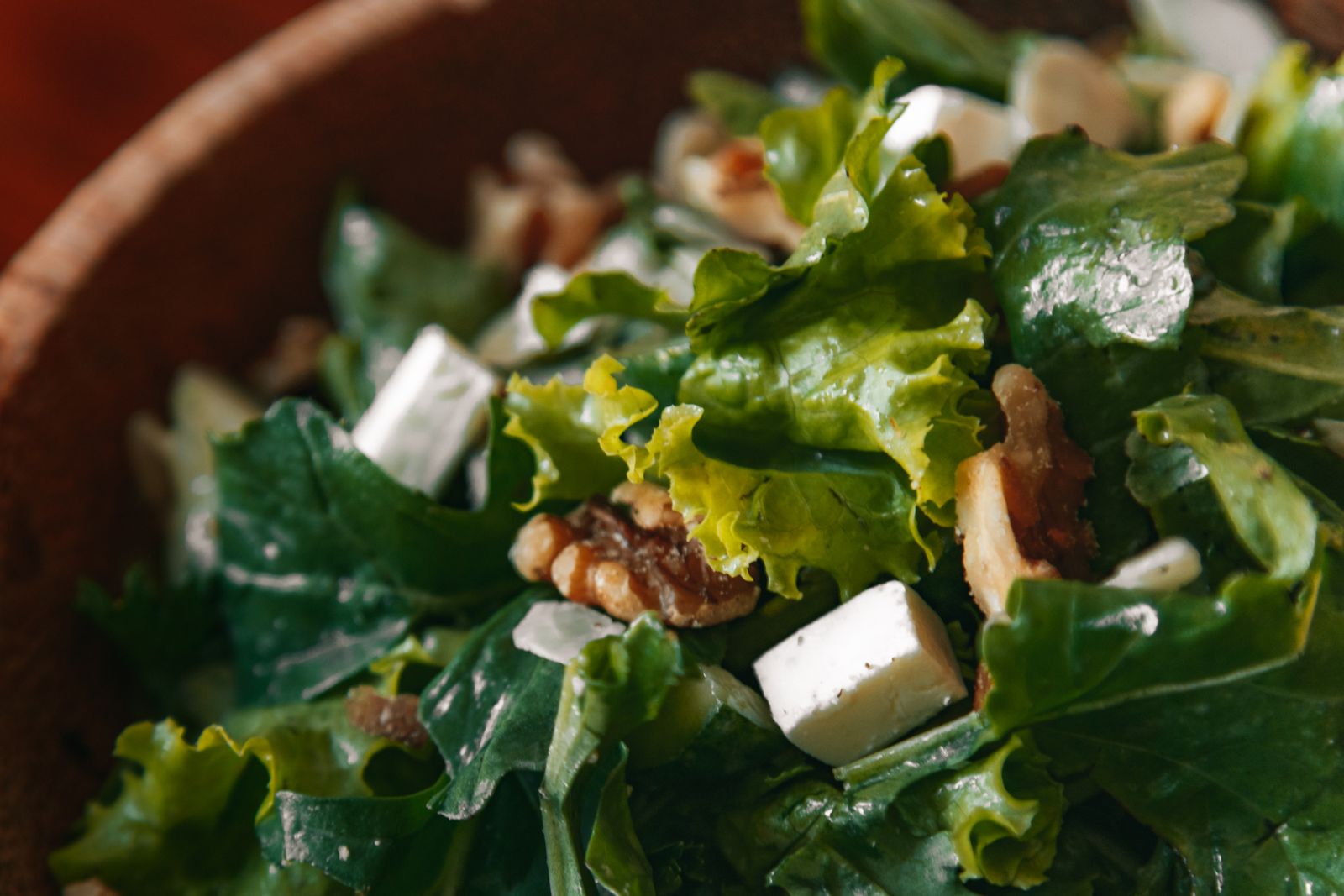
Lists of “brain foods” are easy to find. Blueberries, oily fish, dark chocolate, nuts and leafy greens appear on most of them, usually with a promise of sharper memory and better focus. The research behind those lists is more complicated. Long-term studies have linked certain eating patterns to healthier aging brains, but when researchers have tested brain-focused diets and supplements in controlled trials, the results have been mixed and the benefits, where they appeared, modest.
That does not mean diet is irrelevant to the brain. It does mean that no single food has been shown to sharpen memory, and that the strongest-sounding claims often come from studies that cannot show cause and effect.
The diet designed for the brain
The best-known brain diet is MIND, short for Mediterranean-DASH Intervention for Neurodegenerative Delay. It was developed by researchers at Rush University in Chicago, led by Martha Clare Morris, and combines elements of the Mediterranean diet and the blood-pressure-lowering DASH diet.
The diet scores 10 food groups as brain-healthy: green leafy vegetables, other vegetables, nuts, berries, beans, whole grains, fish, poultry, olive oil and wine. It counts five as unhealthy: red meat, butter and stick margarine, cheese, pastries and sweets, and fried or fast food.
In 2015, Morris and colleagues reported in Alzheimer’s & Dementia on 923 older volunteers from the Rush Memory and Aging Project, 144 of whom developed Alzheimer’s disease. According to the university’s release, people whose diets most closely matched MIND had up to a 53% lower risk of Alzheimer’s, and those with moderate adherence about a 35% lower risk.
That was an observational study. Researchers looked at what people already ate rather than assigning a diet, so people who ate this way may have differed in other ways that protected their brains. Morris said at the time that the results “need to be confirmed by other investigators in different populations and also through randomized trials.”
What happened when the diet was tested
That randomized trial arrived in 2023. Led by Lisa Barnes at Rush and published in the New England Journal of Medicine, it enrolled 604 adults aged 65 and over who had no cognitive impairment but were overweight, had less-than-ideal diets and had a family history of Alzheimer’s.
Participants were randomly assigned to the MIND diet or a control diet. According to Rush’s account of the trial, both groups were coached to cut about 250 calories a day and received regular support from dietitians. Over three years, both groups lost about 5 kilograms on average.
Thinking and memory scores improved in both groups. The MIND group improved slightly more, but the difference was not statistically significant. Barnes noted that some of the early improvement may have reflected practice effects from repeating the same tests. Other possible explanations were that weight loss itself helped, or that the control group, also receiving dietary advice, ate better than expected.
The trial did not show that the MIND diet harms anyone, or that eating well is pointless. It did fail to show that a brain-specific diet improved cognition over three years more than a supervised, moderately healthier diet with weight loss.
A daily multivitamin
A more positive result has come from the COSMOS trials, a large US study of cocoa extract and multivitamins in older adults. Researchers ran three separate cognition studies within it: one with in-person testing, one by telephone and one online.
In the in-clinic study, published in 2024 in the American Journal of Clinical Nutrition, 573 participants took either a standard daily multivitamin or a placebo for two years. According to Mass General Brigham’s release, the multivitamin group showed a modest benefit in overall cognition and a statistically significant benefit in episodic memory, the ability to remember specific events, but not in attention or executive function.
The researchers then combined all three studies, covering more than 5,000 participants over two to three years. They estimated that the multivitamin slowed overall cognitive aging by the equivalent of about two years compared with placebo.
That estimate has caveats. The participants were Americans aged 60 and over, and the estimate comes from combining studies that used different testing methods. The cognition studies were supported in part by Mars Edge, part of the confectionery company Mars, along with the US National Institutes of Health, and Pfizer Consumer Healthcare donated the tablets. Industry support does not make a result wrong, but it is worth knowing.
Flavanols for people who get too few
The cocoa arm of COSMOS produced a more specific finding. Flavanols are compounds found in tea, apples, berries and cocoa. In a study published in 2023 in the Proceedings of the National Academy of Sciences, Adam Brickman and colleagues followed 3,562 older adults for three years as they took either a daily 500-milligram cocoa-extract flavanol supplement or a placebo.
According to the University of Reading, which took part in the research, people whose usual diets contained more flavanols had better memory scores to begin with. Among participants whose diets were low in flavanols, the supplement reversed that memory gap. The benefit was concentrated in that low-intake group.
Co-investigator Gunter Kuhnle said the results “suggest that there is an optimum amount of flavanols in the diet,” a finding that points to the supplement correcting a shortfall rather than boosting an already well-fed brain. The researchers also cautioned that chocolate is unlikely to supply meaningful amounts, because most flavanols are lost when cocoa is processed.
What the research cannot say
Taken together, these studies point away from the idea of individual brain foods. The strongest associations come from observational research on overall eating patterns, which cannot rule out other explanations. The randomized trials that have tested specific diets and supplements have found effects that are small, limited to particular groups, or not statistically clear.
There are also limits to what three years can show. Changes in the brain that lead to dementia can unfold over many years, and short trials may miss benefits that take longer to appear. Most participants in these studies were older Americans, so the results may not apply to younger people or to other countries.
What the research does support is more modest than a list of superfoods. Diets rich in vegetables, berries, beans, nuts and fish are linked to healthier brains over the long term, and correcting a shortfall in specific nutrients may help some people. Anyone considering supplements, particularly with existing health conditions or medications, is best advised to speak with a doctor first.
Photo: Roman Odintsov / Pexels