


In 1999, I met Cynthia Kenyon for the first time, and she told me her one-line proof that aging is an evolved trait. Lifespans in nature range from hours to thousands of years. This shows that natural selection is not constrained, but can implement aging on whatever time scale is appropriate.
A few years ago, Annette Baudisch added another dimension to this proof: It’s not only the duration of life, but the shape of the aging curve that takes on so many various forms. Misguided theories of aging are based on the human life cycle (and others like it) with Gompertz mortality. (In the 19th Century, Benjamin Gompertz first noted that risk of death increases exponentially with age.) Several smart theorists have been seduced into attempting proofs—either from thermodynamics or from evolution—that gradual aging is a necessary consequence of the conditions of life.
But Baudisch gathered data on hundreds of animals and plants, demonstrating that the exponential shape of the human mortality curve is just one among many possible. Furthermore, every conceivable shape is paired with every time scale. Any theory of aging must account for all these ways to age. Or not to age: Baudisch got her start in research collecting examples of negative senescence. Given this variety, the only viable theory is, “nature can do whatever she wants”. More formally, natural selection can mold aging as appropriate to fit every possible niche in every ecology.
Aging is ancient, but it is not universal. We are accustomed to think that animals age gradually beginning at maturity, ending with inevitable death, but life is stranger than this. Some animals and many plants have escaped from aging entirely. Many more pass through long periods of their lives without aging. nymphs mature underground for seventeen years, while not being subject to increasing death rates or aging in any other sense. Then the cicada emerges, mates, ages and dies all in a single day. This is a dramatic example of semelparity, in which aging occurs all in a rush after a single burst of reproduction. In many such cases, the aging can be experimentally decoupled from the reproduction, demonstrating once again that the aging is a separate adaptation. The simplest example of this is the pansies in your garden. As long as you snip off the flowers before they go to seed, you can keep the plant blooming all summer.

Many plants and animals die when they are done reproducing, as evolutionary theory predicts; but among those that long outlive their fertility, there are some (like C. elegans worms) that don’t tend to their children or grandchildren. What evolutionary force has provided for their continued life?
A few animals and many plants don’t age at all, but grow larger and stronger and more fertile through their entire lifespans. Some have been observed to regress from mature states, and start life anew as larvae, with a full life expectancy ahead of them.
What does life without aging look like?
Sanicula is a shrub growing in the meadows of Sweden, and one plot in particular has been studied continuously for seventy years. Sanicula has a life expectancy comparable to a human, but sanicula does not age. For people, the probability of dying gets higher with each passing year, whereas for sanicula, about one shrub in 75 dies each year, irrespective of age. A 75-year-old plant has no more mortality risk than a 10-year-old plant. For a person, the life expectancy at birth might be 75 years; the life expectancy for someone 60 years of age might be 18 more years, and for someone 80 years old, perhaps the life expectancy is 7 more years. For a sanicula, the life expectancy of a seedling is 75 years, and the life expectancy of a 60-year-old shrub is 75 more years. There are, in fact, a few 200-year-old saniculas, and they have a life expectancy of 75 more years. At this rate, about one plant in a million should live a thousand years. A thousand-year-old sanicula is no closer to death than a sapling.
It is unknown today whether lobsters age or not. Lobsters are fished so heavily that they rarely grow larger than a pound, but lobsters weighing more than 5 lbs are still caught occasionally (and usually released). The largest lobster on record was 44 lbs. The reason that the large lobsters are released back into the ocean is not just that they won’t fit on a dinner plate. Lobsters become more fertile as they grow larger, and their young are more viable. A few large lobsters can be the breeding stock for a large area. We don’t have an age record for the oldest lobster ever caught because lobsters don’t have annual rings or layers that broadcast their age. The 44-lb animal was said to be more than one hundred years old, but no one knows for sure.

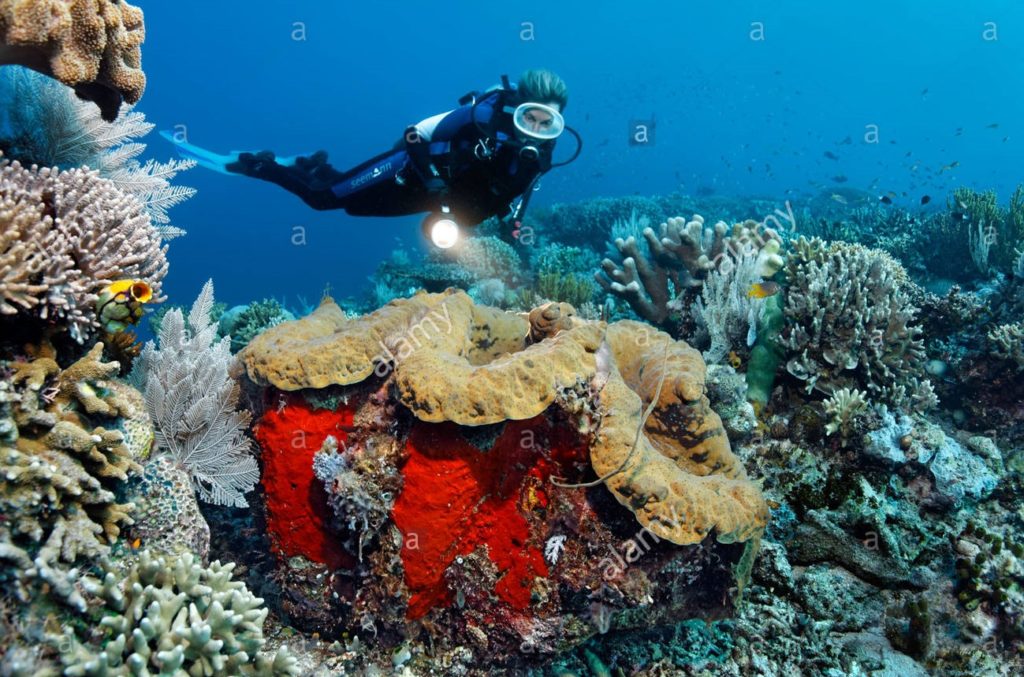
Clams also can grow larger and more fertile indefinitely. But clams have growth rings that count the years for us. The oldest clam on record (an ocean quahog of the species Arctica islandica) has been tagged at 507 years. Small clams have natural predators, including starfish that latch onto their shells and pull them apart by brute force. But once a clam outgrows the arms of a starfish, it can keep growing indefinitely. Clams have one foot, one mouth, no eyes or ears or stomach, no brain. Giant clams, up to 800 lbs, live the same lifestyle as their smaller relatives, sucking in the seawater, taking in thirty thousand times their weight in water every day, and filtering out plankton and algae, which continue to grow and reproduce inside them. Like giant lobsters, the giant clams provide eggs for a whole community. They have been known to release half a billion eggs in a day.
All of the longest-living species in the world are trees. There are several reasons for this. Trees invest a great deal in growth, always trying to project their leaves upward, out of the shade of other trees, to compete for the best light. The oldest trees tower above the forest, and get first dibs at the sun’s energy. So there is a powerful evolutionary incentive for trees to live a long time so they can grow taller than their competitors, and the sky is the limit.
As opposed to plants, animals’ life spans are limited by a requirement of ecological stability. Most plants produce their own food, but all animals depend on other species (either animals or plants) for their food. Hence it is natural for a plant to live as long as possible and make as many seeds as it can make. Trees are the best examples of Darwin’s dictate that life is about reproduction. (Sequoia trees can produce more than a billion seeds.) But animals can’t get away with reproducing faster than the plants at the base of the food chain. Animals are evolved to guard the species lower down on the food chain, and they must never reproduces faster than the animals they eat—otherwise, in a very few generations, they will wipe out their food source and their children will starve.
Do trees age at all? Some do, and some don’t. Most trees go for long periods of time growing ever larger and less vulnerable to death. That counts as negative senescence. Of course, size itself becomes a hazard as a tree becomes the tallest in its grove—the first to be struck by lightning, the most top-heavy and vulnerable to toppling in the wind when erosion weakens the roots’ hold on terra firma. But in addition to this, it seems that most trees have a characteristic age, after which death finally becomes more likely with each passing year. There is some indication that trees become more vulnerable to fungus and disease with old age, but for the most part, old trees succumb to the mechanical hazards of excess size. The very ability to continue growing that offers them the possibility of “reverse aging” over so many decades proves in the end to be their downfall.
Instant Ageing; Sudden Death
Semelparous animals and plants reproduce just once in a lifetime, usually followed promptly by death. Sudden post-reproductive death is common in nature, affecting organisms as varied as mayflies, octopuses, and salmon, not to mention thousands of annual flowering plants.
The cause of death in semelparous organisms varies widely. Theorists once assumed that the animal just wears itself out in a burst of reproductive effort, but this idea has not held up. The burst of reproduction and the sudden death seem to be separable and independent adaptations. In addition to the example of pansies mentioned above, octopuses can be induced to live beyond their burst of reproduction if their optic gland is surgically removed; and Atlantic salmon, close cousins of the Pacific salmon, also endure treacherous migrations upstream in order to mate, but they don’t necessarily die after laying eggs, and can return to the ocean for another bite at the apple.
Chinook salmon hatch in river pools, often hundreds of miles upstream from the sea. They spend their first year or two in the protected environment of the river, where life is tamer and larger predators rarer. When they have grown large enough to compete, they migrate downriver, out to the ocean to seek their fortunes. They may range up to 2,500 miles from the mouth of the stream where they first entered the sea. They live in the ocean anywhere from two to seven years, growing larger but not weakening or becoming frail with age. When they are ready to reproduce, they find their way back, not to any handy river mouth but to the very same river pool where they were hatched. Their journey is a headlong rush, simultaneously into fertility and death.

By the time the adult salmon reach their spawning ground, their metabolisms are in terminal collapse. Their adrenal glands are pumping out steroids (glucocorticoids) that cause accelerated—almost instant—aging. They’ve stopped eating. Moreover, the steroids have caused their immune systems to collapse, so their bodies are covered with fungal infections. Kidneys atrophy, while the adjacent cells (called interregnal cells, associated with the steroids) become greatly enlarged. The circulatory systems of the rapidly deteriorating fish are also affected. Their arteries develop lesions that, interestingly, appear akin to those responsible for heart disease in ageing humans. The swim upstream is arduous, but it is not the mechanical beating that fatally damages their bodies. It is rather a cascade of nasty biochemical changes, genetically timed to follow on the heels of spawning. The symptoms affect both males and females, despite the uneven share of metabolic work that falls to females, whose eggs may constitute a third of their body mass during the final leg of their trip.
Some organisms are genetically programmed not to eat after reproduction and starve as a result; it’s quicker and surer than traditional ageing. Mayflies entering adulthood have no mouth or digestive system whatever. Elephants chomp and grind so many stalks and leaves during a lifetime that they wear out six full sets of molars. But when the sixth set is gone, they won’t grow another, so old elephants can starve to death.

Praying mantis males take the prize for the most bizarre and macabre mode of programmed death. After an elaborate mating ritual, the male fertilizes his mate’s eggs with his bottom half, while the female chomps off his top half. Sometimes.
Octopuses makes an especially good story. They live a short time, a few months to a few years, depending on the species, and they die after reproducing once. After mating, the female guards and cares for her eggs, but if conditions are not right for her brood, she may eat them, and then she has another chance to try again later. Like praying mantisses, the octopus female sometimes . If she decides the time is right to deliver her young, not only does she refrain from eating her eggs, she stops eating altogether. The octopus mom guards her eggs from predators, focused and immobile for months on end. (They are such smart animals, even playful. How is it that they don’t get bored?) During this time, her mouth seals over. She may live for years in this state of suspended animation, just guarding her eggs; but when the eggs hatch, she dies within a few days. Her death isn’t from starvation. We know because there are two endocrine glands, called “optic glands” though they are unrelated to the eyes, whose secretions control mating behaviour, maternal care, and death. The optic glands can be surgically removed, and the octopus mom lives longer. If just one optic gland is removed, the female doesn’t eat but still lives an extra six weeks. If both optic glands are removed, then the octopus doesn’t lose her mouth and resumes eating after the eggs hatch. She then regains strength and size and can live up to forty weeks more.
In 2007, Bruce Robison of the Monterey Bay Aquarium Research Institute discovered a deep-sea octopus mom watching over her clutch of 160 eggs in the deep, cold waters off the California coast. He returned periodically to observe the same octopus on the same rock in the same position. From 2007 to 2011, she didn’t eat, and she didn’t move except to slowly circulate the water over the eggs, assuring a fresh supply of mineral nutrients. After four and a half years, the eggs hatched, and the octopus mom disappeared, presumed dead, all within a few days. The empty eggshells were observed, memorializing her effort. It was the longest gestation ever observed.
Ageing in Reverse
In 1905, the Dutch biologist Friederich Stoppenbrink was studying the life cycles of Planaria, a kind of flatworm, a fraction of an inch long, common in freshwater ponds. He noted that when the animals didn’t have enough to eat, they systematically consumed themselves, beginning with the most expendable organs (sex), proceeding to the digestive system (not much use in a famine), and then muscles. The worms got smaller and smaller until the most precious part—the brain and nerve cells—were all that remained. Stoppenbrink reported that when he started to feed the worms again, they grew back, rapidly regenerating everything they had lost. What’s more, they looked and acted like young worms, and when their cohorts who had not been starved began to die of old age, the starved-and-regrown worms were still alive and kicking. This trick could be performed again and again. As long as Stoppenbrink kept starving and refeeding the worms, they went on living without apparent signs of age.
The medusoid Turritopsis nutricula achieved its fifteen minutes of fame when it was hailed as “the immortal jellyfish” in science news articles of 2010. The adult Turritopsis has inherited a neat trick: after spawning its polyps, it regresses back to a polyp, beginning its life anew. This is accomplished by turning adult cells back into stem cells, going against the usual developmental direction from stem cells to differentiated cells—in essence driving backward down a one-way developmental street. Headlines called Turritopsis the “Benjamin Button of the Sea.” Here again, life seems to imitate art.

Carrion beetles (Trogoderma glabrum) perform a similar trick, but only when starved. As they play life out on a carcass in the woods, the beetles go through six different larval stages in succession, looking like a grub, and then a millipede, and then a water glider before ending up as a six-legged beetle. A pair of entomologists working at the University of Wisconsin in 1972 isolated the sixth-stage larvae (when they were just ready to become adults) in test tubes and discovered that without food, they regressed to stage-five larvae. If they were deprived of food for many days, they would actually shrink and regress backward through the stages until they looked like newly hatched maggots. Then, if feeding was resumed, they would go forward again through the developmental stages and become adults with normal life spans. They found they were able to repeat the cycle over and over again, allowing them to grow to stage six and then starving them back down to stage one, thereby extending their life spans from eight weeks to more than two years.

Continuous Regeneration
Hydras are radially symmetrical invertebrates, each with a mouth on a stalk, surrounded by tentacles, which grow back when cut off—like the many-headed monster of Greek mythology for which they are named. With their tentacles, they snare “water fleas” and other tiny crustaceans, on which they feed. Some hydras are green, fed by symbiotic algae living beneath their translucent skin.Hydras have been studied for four years at a time, starting with specimens of various ages collected in the wild, and they don’t seem to die on their own or to become more vulnerable to predators or disease. In the human body, certain cells, such as blood cells, skin, and those of the stomach lining, slough off and regenerate continuously. The hydra’s whole body is like this, regenerating itself from stem cell bedrock every few days. Some cells slough off and die; others, when large enough, grow into hydra clones that bud from the stalk-body to strike out on their own. This is an ancient style of reproduction, making do without sex. For the hydra, sex is optional—an occasional indulgence.
One recent article claims that the hydra does indeed grow older, and it shows it by slowing its rate of cloning. The author suggests that perhaps clones inherit their parents’ age. The hypothesis is that only sexual reproduction resets the ageing clock. If this is true, then the hydra’s style of ageing is a throwback to protists, ancestral microbes more complex than bacteria. Amoebas and microbes of the genus Paramecium are examples of these protists, single cells in a vast lineage that has anciently radiated into over one hundred thousand species and includes all the seaweeds, slime moulds, and ciliates and other organisms that do not belong to the animal, fungal, plant, or bacteria kingdoms.
Ancient Aging
For paramecium, sex and reproduction are two entirely different functions. Reproduction takes place by simple mitosis—the cell clones itself. Sex takes place by “conjugation”. The paramecium sidles up to another paramecium, their two cells merge and then the two cell nuclei merge, mixing their DNA, reshuffling within each chromosome, as genes cross over from one to the other. Then the two cells separate, but the two cells that come apart are not the two cells that entered. Each one is a different combination of the two original cells—“half me and half you.”
Here is the connection to aging: Cells keep track of how many times they have cloned themselves via telomere length. Each time the cell clones itself, the telomeres becomes a little shorter. When it becomes too short, the cell languishes and dies. The telomere can be re-set to full length with the enzyme telomerase, but this only happens during conjugation, not during mitosis. The result of withholding telomerase is that the individual can clone itself about a hundred times, but at some point, it must share its genes via conjugation, giving up its individual identity. Telomere shortening is an ancient mode of aging that forces the individual to share genes with the community.
This ancient process was a template for the future evolution of aging. Many higher organisms have telomeres that shorten through our lifetimes, until we die. Telomerase is held back in humans, dogs and horses, but not pigs, mice or cows. In the former animals, telomeres are only reset during reproduction, when a new individual is formed from gamete cells of two different parents. Just like paramecia.
Bees That Can Turn Ageing Off
Queen bees and worker bees have the same genes but very different life spans. In the case of the queen bee, royal jelly switches off ageing. When a new hive begins, nurse bees select—arbitrarily so far as we can tell—one larva to be feted with the liquid diet of royalty. Some physiologically active chemical ambrosia in the royal jelly triggers the lucky bee to grow into a queen instead of a worker. The royal jelly confers upon the queen the overdeveloped gonads that give her a distinctive size and shape. The queen makes one flight at the beginning of her career, during which she might mate with a dozen different drones, storing their sperm for years to come.
Weighted down with eggs and too heavy to fly, the full-grown queen becomes a reproducing machine: she lays at a prodigious rate of about two thousand per day, more than her entire body weight. Of course, such reproductive regality requires a suite of specialized workers to feed her, remove her waste, and transmit her pheromones (chemical signals) to the rest of the hive.
Worker bees live but a few weeks and then die of old age. And they don’t just wear out from broken body parts, the rough-and-tumble worlds through which they fly. We know this because their survival follows a familiar mathematical form, called the Gompertz Curve, which is a well-known signature of biological aging. Meanwhile, queen bees, though their genes are identical to those of the workers, show no symptoms of senescence. They can live and lay for years and sometimes, if the hive is healthy and stable, for decades. They are ageless wonders. The queen dies only after running out of the sperm she received during her nuptial flight. At that point, she may continue to lay eggs, but they come out unfertilized and can only grow into stingless drones. Then, the same workers that formerly attended her assassinate the depleted queen. They swarm about her, stinging her to death.
What does it all mean?
Styles and durations of aging in nature are just about as diverse as they can be. Aging doesn’t have to exist at all, and individual fitness would be 20-30% higher in most cases if aging just took a walk. Where mother nature has tempered reproduction and kept aging in the life cycle, it is for the purpose of stabilizing the ecosystem, preventing population overshoot that can lead to extinction. This theory accounts for some broad facts about aging in nature:
- that aging is near universal in animals, but not necessarily in plants,
- that aging slows down when animals are starved (no extra curtailment of life is needed in a famine)
- that animals can substantially outlive their fertility
- that predator lifetimes are generally longer than their prey
- that the genetic basis for aging has been preserved over hundreds of millions of years
Discussion
150 reader comments
Imported threads are marked Archive. New comments are welcome and moderated for spam.
Thanks everyone for your feedback. Here’s a new research paper of possible interest, which I found out about this morning through an AgeX Therapeutics, Inc. press release:
Use of deep neural network ensembles to identify embryonic-fetal transition markers: repression of COX7A1 in embryonic and cancer cells
Alex Zhavoronkov, Michael D. West t al.
https://doi.org/10.18632/oncotarget.23748
Nice find! If you search for Age-X's youtube channel Michael West discusses this paper and even lets slip that they tested lots of compounds for the ability to inhibit COX7A1 and induce regenerative potential in human cells and discovered an effective small molecule already approved for a completely different medical treatment. He goes onto say they've filed a patent for use for induced regeneration. This is interesting as it means the small molecule drug is probably cheap, maybe even off patent and they can only patent it for a specific use. I think I've found the patent but not managed to find out what the drug is yet unfortunately. I'll keep looking.
Whether or not Age-X go down this small molecule route I can see them creating a treatment using induced regeneration factors alongside a telomerase treatment to improve somatic proliferative potential. In many ways this is an alternative to stem cell treatments.
Anyway good news there seems to be lots of ways to rejuvenate cells.
This is by far the best review of aging I have read.
Regulation of Stem Cell Aging by Metabolism and Epigenetics
Links the epigenetic and metabolic theories of aging. Izpisua lab.
That is an interesting review paper. Kind of confirms what I thought, that metabolism is driving epigenetic changes. Interesting what they say about co factors of epigenetic modifying enzymes being metabolites. If I am understanding it right then what is happening is the environment changes (i.e. food or famine, etc.) so metabolic pathways (MTOR, AMPK, SIRT) change (and mitochondria are central to this), and this modifies what genes are expressed. This, then is how the genome reacts to changes in conditions. How this goes awry with aging is not elucidated however. Maybe some of the epigenetic 'switches' get stuck on?
Good overview of aging however and certainly makes me think more and more it's just a question of something going wrong somewhere in the stem-somatic cell system and this then feeding back into increasing dysfunction. More and more I'm thinking we have a real chance of getting to grips with this and fixing it, even if we don't understand every last thing about it.
I think the theory is that any kind of metabolic input drives the aging clock forward through these histone editing enzymes. As one cannot live without metabolic inputs, aging is inevitable.
Aging basically is the degradation of the signal to noise ratio in the expression profile of each and every cell in our body most significant is in stem cells. This is in fact the degradation of the epigenetic regulation imprinted at organogenesis and development.
Only way backwards is not through metabolism but conception in nature or reprogramming in the dish.
Makes a lot of sense. I'm just reading a paper on salamanders and they express lots of interesting embryonic cell like signals (micro RNAs that can induce pluripotency), as well as transposons, which alllow them to dedifferentiate tissues and regenerate lost limbs. They methylate the rest of the time to make sure they are only expressed in certain areas at the right times.
'Reading and editing the Pleurodeles waltl genome reveals novel features of tetrapod regeneration'.
There are also species like crocodiles, tortoises and turtles that don't stop growing (cells never become completely quiescent), but grow very slowly, who technically probably do age, but because their metabolism is so slow, they only age slowly. We probably need to distinguish between these two types species that have different defences against aging.
Sure humans are different from mice or salamanders, but how different?
I think a good analogy would be to think of 'genes' coding for proteins as the Hardware of the cell, and all the epigenetic factors that affect gene expression as the Software that tells proteins when to be transcribed, up or down-regulated.
I think it is clear that the present frontier of research is this and it is also the key to understanding what makes each animal specifies different. After all most eukaryotic genes are related orthologs.
This Software is also heritable, from the most stable parts of it during a lifetime such as TE's to more changing ones like as methylation. It is just much more easily mutated generation over generation. I think this has been an overlooked factor of evolvability.
Also, just as a computers has HW and SW, it also has memory, a STATE. The complicated part is that on a cell this state is also encoded epigenetically. So the part that is heritable and the part that encodes the present state are mixed.
Likewise, like a computer needs an initial state (a bootstrap sequence) to get it going to do any meaningful work, a cell needs a specific initial state. For example the iPSC state induced by the OSKM factors.
That is an interesting analogy.
I've often wondered how iPSCs know what cell type to become, either during development or repair processes. This interesting paper hot off the press might gives some clues.
'Senescence promotes in vivo reprogramming through p16INK4a and IL-6.'
Turns out, in mice atleast, that inflammation (specifically IL-6), part of the SASP produced by senescent cells, makes in Vivo de-differentiation much more efficient. So senescent cells now look to me to be a helpful type of cell to trigger regeneration when required. It may well be that inflammation becomes chronic with age because their signalling is falling on deaf ears, so to speak, because of the exhaustion of stem cells, and they accumulate without the benefits. Maybe inflammation kills you in an effort to repair you.
Another interesting part of the paper, old mice cells can be reprogrammed more easily (higher il6) than young ones, and females are harder to reprogramme than males (estrogen inhibits NFkB, which produces il6), until the female mice get old and their estrogen has fallen. Fascinating stuff.
It's in Aging Cell, by Mosteiro et al, dated 27th Dec 2017.
If you still can't find it, drop me an email, at [email protected] and I'll email you the link.
I had similar thoughts about adult stem cells. It may well be that it's hard to keep them de differentiated and they need a 'kick' to remember what they can do. Maybe over a lifetime they become too far gone to re activate.
I also read in another paper (can't remember where now) that chronic inflammation locks stem cells so they can't differentiate into normal cells, so maybe the problem happens both ways: can't regenerate the stem cells (too far down the differentiated path) and if inflammation remains too high those you do have can't proliferate.
Hope you find the paper, would value your input.
One other thing that springs to mind - past stem cell therapies that haven't been very successful, other than spurring temporary healing due to lowering inflammation - in light of the paper I posted it may not be the fault of the injected stem cells that these therapies were unsuccessful. If inflammation is high in the patient because the body is trying too regenerate stem cells unsuccessfully, the added stem cells would lower inflammation because they would differentiate as they are supposed to. It may just be that there are not enough of them, or that signalling conditions in the body are not permitting the maintenance of an endogenous supply.
Hi Mark,
Thanks for this very interesting and thought provoking paper. Looks like senescent cells are actually providing the right environment for regeneration in old people but something is missing to make it happen.
Few days ago, we learned about the bad side of TERT (which promote epigenetic aging) and now we are learning about the good side of senescent cells. Fascinating but confusing at the same time (at least for me).
It is certainly confusing Aldebaran, but I don't think we're that far away from starting to understand it. The paper Paul posted about inhibiting mTOR preserving stem cells, and the one you posted about telomerase accelerating epigenetic changes are bascially, in my opinion, looking at the same thing in opposite directions. Metabolism is driving epigenetic changes. So the more metabolically active a cell is, the faster the epigenetic clock will advance. Hence rapamycin or CR will slow it down, telomerase or other growth stimulators will accelerate it.
In the case of stem cells, if what Gabor and I have been discussing is correct, then more epigenetic changes mean more (accidentally) differentiated stem cells, which means they are harder to activate for regeneration. The older you are the further down the epigenetic path stem cells may have drifted, so the harder it is to get them to de-differentiate back to stem cells and then do their work. Senescent cells and rising inflammation may well be the body's attempt to get less and less stem cells to do more and more work.
This is largely speculation at this point, but that is what all these papers are indicating to me, atleast.
A good hypothesis paper from May
Senescence-Inflammatory Regulation of Reparative Cellular Reprogramming in Aging and Cancer
May 2017Frontiers in Cell and Developmental Biology
They are discussing the same thing that we do here.
It's interesting reading that paper Gabor, it totally reads like one of the discussions on this site. So we do know what we are talking about!
Happy New year all, I'm now going to imbibe a large quantity of an important stress relieving supplement known as Red Wine!
Mark,
What you are saying about old stem cells being harder to activate for regeneration despite rising inflammation makes a lot of sense to me.
On the other hand, maybe I have red too much into the paper posted by NY2LA on telomerase and DNAm age, but my understanding is that the relationship between TERT and DNAm age is more direct than just mediated by metabolism.
This is suggested by their in-vitro experiments in which they cultured primary human fibroblasts with / without inducing TERT. As expected, TERT cells did not become senescent in contrast to non-TERT cells:
"While non-TERT cells senesced after ~150 days, TERT-expressing cells continued to proliferate unabated at a constant rate with the time in culture"
However, the interesting point is that non-TERT cells did not exhibit DNAm age at all despite proliferating and being metabolically active while TERT cells did exhibit linear increase of DNAm age:
"TERT-expressing cells exhibited a linear relationship between time in culture and
the Horvath estimate of DNAm age (equivalent to a DNAm age of 50 years at 150 days), whereas in non-TERT cells DNAm age plateaued (equivalent to a DNAm age of 13 years) in spite of continued proliferation to the point of replicative senescence"
This suggests that TERT might directly promotes DNAm age, independently of metabolism.
Maybe we should monitor DNAm age in people taking TA65 or going through TERT gene therapy (when available) to double check that. Of course, it remains to be seen if DNAm age in itself is causing any aging phenotype.
Happy new year to everyone!
Hi Aldebaran. The key thing for me from the paper,which was quite a head scratcher when I first read it, is how many doublings did the TERT and non TERT cells undergo? Obviously the TERT cells had many more doublings, whereas the non TERT cells plateaued fairly quickly as you'd expect and then senesced. Given that every time a cell splits it unwinds it's DNA, splits it, reconstitutes it, and then has to remethylate genes, wind back up appropriately, etc. am not surprised that TERT cells that have many more doublings advance much further in the Horvath clock.
As you say though we don't know what harm this caused, if any, it certainly didn't in the somatic cells they looked at, but maybe as we've been discussing, the harm done is in the epigenetic drift of stem cells, which weren't used in those in vitro experiments.
Seems to me, we haven't discovered gene(s) that cause aging because there are no humans around that do not age sooner or later, and therefore we don't have any controls.
Progeria? Chimps? Non-Amish with too much SERPENE1?
You don't need comparisons that "don't age at all", you just need models with significantly different aging rates. And we have that.
That gets to the crux of one of my pet peeves. A lot of different things are being jumbled together by people interested in anti-aging research, referred to as having something to do with aging when they do not. For example, centenarians look old. They age. Longevity doesn't necessarily tell us anything about aging.
Just to clarify the terms, if I'm 60 years old and I am able to tale something that will keep me at 60 forever, then I've defeated aging ( a seeming impossibility right at this time but perhaps in the distant future). If , however, I'm able to now take something that will get me to 120 in pretty good heath by avoiding age-related diseases, then I've achieved longevity, and that goal may be right aroung the corner.
Definitely. And since the age-related diseases are fundamentally caused by the process of aging, we should have given a tiny part of the public funds allocated to Alzheimer to the ITP 10 years ago so that they could have tested 20-30 compounds in mice every year instead of 4-5. If we had done that, maybe we would have already a good idea of what to do to live to 120. And even if not, the negative impact on Alzheimer progress would have been totally negligible.
paul rivas md, exactly. Thanks.
aldebaran, I think there is too much reliance on mice as it is. Consider this:
Human gene essentiality.
Bartha I, di Iulio J, Venter JC, Telenti A.
https://www.ncbi.nlm.nih.gov/pubmed/29082913
NY2LA,
Good article and you are certainly right that mice are quite different from humans. So, we should certainly be careful about translating results from mice to humans. However, mice have been very useful so far to test in a short time period valuable compounds that might increase life span in humans such as rapamycin and I am not sure what alternative mean we could have used to get better and faster results.
Future technologies such as DNAm age could provide reliable ways to directly measure the rate of aging in people (or in mice) but I don't think we are there yet.
We talk about longevity genes and pleiotropy. But what is a gene anyway? Originally it was meant to be the discrete, fundamental unit of heredity. Genes were ‘features’. But when we talk about a ‘gene’ today we actually mean a DNA transcription unit, encoding (at least partially) for a protein. But again, we also know that ‘traits’ are often the result of complex molecular pathways. So why do keep calling transcription units ‘genes’?
I don’t think this is just semantics and it is relevant to the discussion. Take for example height. Nobody would argue that a height of, say, 6 feet tall is not a trait. Now, we may know better or worse which ‘genes’ (transcriptions units) correlate with height, but even if we didn’t know of any, no one would say ’there are no height genes, until you show me the exact process by which height is controlled I will believe people grow until a mysterious force stops them from doing so’.
We all understand that height, colouring, size, etc. are very much controlled and inherited. They are traits. If the average human is between 5 and 6 feet tall is because it must have been advantageous coming up to our present day.
Likewise, in Nature, we see animals of similar size with wildly different age spans. So like for height, there doesn’t seem to be a hard limit established by physics. So why then are we not more open to the idea that an age of X is also a ‘trait’. That is, a gene, in its original meaning.
So when people say there are no ageing genes (and there actually seem to be several candidates like the Amish allele which was on the press a few weeks ago) because we haven’t found a precise DNA sequence in a precise pathway, it does not mean there are no ageing genes which are inherited if we regard them as ‘traits’.
Ultimately, I think, the problem is that we don’t know ageing is. We know what height is, it is to stand x feet tall. But we don’t know or can’t agree -yet- on what ageing is on the macroscopic level.
Again, I think, language confounds us. We do not age like a machine or a piece of furniture. If one day we define age as epigenetic drift in a particular direction, or the accumulation of senescent cells, etc, then we will be able to show. I do think we are on the right path.
Thanks for that, I don't think it's semantics either. We can certainly agree that lifespan is controlled genetically. But given height is controlled by many genes (more than we have currently maped), and lifespan is much more complex, I am not confident this is a viable path in the near future for extending our lifespans. Epigenetics however looks more promising. Besides re elongating telomeres periodically, partial pluripotent reprogramming also looks to be a great way to restore youthful gene expression. Of course you could argue that there are certain genes that control methylation and such, but again we might be better just taking control of the process using telomerase or the OSKM gene factors ourselves rather than spend forever trying to unpick the whole network. Maybe full AI will change that analysis, I don't know.
Hi Mark, this reminds of a phrase I’ve read Michael Fossel use often: ‘Where can I intervene?’. Save for a few point mutations we may accumulate we keep the same DNA sequence throughout our lives. So ageing must be necessarily epigenetic unless it is just waste accumulation. The latter does not seem very plausible at this point, at least not as a major factor.
However, how do those epigenetic changes translate into the macroscopic effects of ageing? How do they cause skin to wrinkle, collagen to break down, height, bone or hair loss?
There must be a number of ways in which specific epigenetic changes -at least in some cells- cause all these macroscopic changes. To me, right now, the most promising area to explain many of these are senescent cells accumulation. And more specifically the inflammation they cause through the SASP.
It is a question to ponder whether the epigenetic profile that for example Horvath discovered is caused solely by SC’s accumulation. Or the other way round, epigenetic changes drive SC at some point. If so, how do cells keep time? We know that telomere attrition can directly cause SC, and that it also drives epigenetic changes as they get shorter. Are they separate causes of ageing, or is the TPE just a somewhat unimportant by-product?. Are there other clocks like circadian rhythms? If post-mitotic tissues also experience this drift, what causes it? neighboring proliferating tissues perhaps? blood factors?
Ultimately, although it may be overly optimistic, we may not need to alter any epigenetic profile directly. At least not as a first point of intervention. Clearing SC may well be the major intervention we need to make.
Happy Holidays to all reading!
I certainly agree SC clearance will help with ameliorating the signs of aging. It may even be a major weapon against aging itself. However the Horvath clock is independent of cellular senescence, it keeps ticking even in telomerase immortalised cells. Whether this means the Horvath clock is unimportant, or whether it is a separate more fundamental aging path, is not yet clear.
It also ticks in post mitotic cells too, which is very odd, and suggests to me it is the stem cells of proliferating tissues that are undergoing this epigenetic aging, in the same way the non dividing cells do. I don't know what drives this, but I know you can slow it down with calorie restriction or rapamycin, so perhaps it is related to MTOR.
I think Fossel and Co are on the right track though; we have to do something to reverse aging, not just slow it down, and telomerase looks like the best near term way of doing this. I think garbage disposal in non dividing cells might also be required at some point, however.
I posted this link under a different post on this forum, and was surprised that nobody commented. I am interested in feedback. It is a Horvath study:
GWAS of epigenetic ageing rates in blood reveals a critical role for TERT
https://www.biorxiv.org/content/early/2017/06/30/157776
I was surprised also that nobody commented on that paper.
Basically, they found that TERT expression promotes epigenetic aging (DNAm age as defined by Horvath), despite the lack of correlation between telomere length and DNAm age.
If indeed over-expressing TERT accelerates DNAm age, this might be a concern for telomerase gene therapy (although we don't know yet the actual effects of DNAm aging).
On the positive side, partial epigenetic reprogramming might provide a long term solution to that issue.
Oh yes thanks NY2LA, I've read that paper.
Telomerase immortalised cell lines grow faster than normal cells, so Telomerase is obviously some sort of growth hormone. It not only extends telomeres but signals growth as well. This, I believe, is why that paper reports the results it does. I.e. the more metabolically active a cell is, the more the epigenetic clock will advance. Make sense?
Hi Paul, Mark,
Happy holidays to both of you and to the other members!
Personally, I was surprised when reading the paper above (thanks NY2LA!) that TERT directly promotes DNAm age, at least in vitro:
"in non-TERT cells DNAm age plateaued (equivalent to a DNAm age of 13 years) in
spite of continued proliferation to the point of replicative senescence."
This suggests to me that TERT could be a master regulator of development and, by extension, epigenetic aging (just speculating here). In this case, over-expressing TERT could be a double edge sword.
Also, since TERT is expressed in adult stem cells, could this explain (at least in part) why they become less efficient with age?
My feeling is that all these experiments around epigenetic are going to teach us a lot about aging in the following years!
The aforementioned paper by Steve Horvath has now been officially published:
GWAS of epigenetic aging rates in blood reveals a critical role for TERT”
https://www.nature.com/articles/s41467-017-02697-5
I have felt for some time now that addressing senescence is not only necessary, but is an essential component of all existing anti aging drugs. Even in cancer cells. It has long been believed that inducing senescence in cancer cells through chemotherapy would stop their cell division and prevent metastasis. We now know that it works more like this: cancer---chemo---senescence---unregulated p21and p53---more cancer stem cells leading to rapid growth and metastasis.
Nature. Clemens Schmitt. Dec 20,2017.
In fact the team found that a particular stem cell signaling pathway, called Wnt, is activated when senescent cells develop stemness. Time to rethink chemotherapy?
Senescence may offer some protections, but overall nasty. I think over the next several years we'll have safe senolytics to couple with rapamycin therapy.
Happy Holidays
Age X apparently have a whole library of stem cells generated from iPSCs, which they are planning to use in treatments.
The problem with the Horvath clock is that it only captures a tiny fraction of the epigenetic changes. It only detects changes near the promoters of known genes. It does not capture for example the epigenetic changes over the repeated transposable elements and those might be key in decline of cell function.
Yet it is surprisingly accurate. Again I dont know why there are no published results on larger datasets. Noone is researching it or no results?
Another key thing that needs more research is that when we got senescence clearance and a safe source of young stem cells in a dish, can we just inject them and make them engraft?
Merry Xmas to readers
Maybe Horvath has captured the consistent drift that is a part of the development program across tissues, and the rest is more noisy, i.e. differs between cells? Or it might be that the Horvath clock is a small part of a larger dataset which is unnecessary in making a biological age any more accurate but is nevertheless part of the same process? Horvath hasn't published anything in a while, so maybe we'll get some more information in 2018!
Stems cells seem quite bad at ingrafting into existing tissues, but many people are working at the problem as we speak. The advantages of an ex Vivo method is you can be tissue specific, but if you can be more general then you can use Yamananka factors of course. It remains to be seen which approach will end up being better.
well, hematopoietic reconstruction from stem cells is everyday practice and nowadays they do it with genetic modifications (CAR-T). just recently there has been a paper that a young boys skin got destroyed 60% because of a genetic defect superimposed with bacterial infection
They not only reconstutited the whole body epidermis but also fixed the genetic defect on the go.
Regeneration of the entire human epidermis using transgenic stem cells
A logical continuation of these developments is tweaking the aging mechanism somehow, introducing a few extra oncosuppressors and regenerating tissues.
I believe even immune system reconstruction alone using youthful HSC could help tremendously people over 60.
You're certainly right, some magical stuff is starting to happen now. I'm starting to think keeping a youthful immune system throughout life is now not far away. There are definitely still some challenges with using the same method to replace all stem cells throughout the body however, hence I still have some attachment to in vivo methods. What do you think of Michael West at Age X and his ideas about creatures who can regenerate limbs also not aging, and this being a path to rejuvenation in humans?
Age X apparently have a whole library of stem cells generated from iPSCs, which they are planning to use in treatments
Looking at the AgeX site, Michael D. West participated to a panel on Dec. 6 around the theme:
“The Coming-of-Age Story of Cell Therapy: Is the Field Mature Enough for Prime Time?"
They should post his intervention on the site later. Looking forward to see that.
Mechanism of nicotinamide riboside being elucidated by Baur lab, from Cell paper five days ago. Unfortunately this blog site isn't letting me post the link, check Pubmed.
Anyone else read this paper?
'Naked Mole Rat Cells Have a Stable Epigenome that Resists iPSC Reprogramming' in Stem Cell Reports?
Really good paper showing how NMR cells resist pluripotent programming because they have a stable epigenome with much more closed chromatin compared to a normal mice. Also talks abit about how mice, mole rat and human arrest and senescence programs work and how they are different.
Very interesting Mark, for some time it's been shown that ageing correlates with increased gene expression. As always it is hard to tell whether this is a cause of ageing or a result. E.g. senescent cells also seem to have an increased gene expression profile: http://ageing-research.blogspot.com.es/2015/04/the-senescent-phenotype-and-promiscuous.html
In light of this post discussion we can ask why wouldn't all rodents evolve this mechanism? Following on Jeff Bowles' theory of ageing and predation I wonder whether NMR have a reduced mortality rate due to their lifestyle underground. It would interesting to explore this further.
Yes I agree, most rats are killed by predators at too young an age to evolve such longevity genes. Whether or not rats actually have an accelerated aging program or not is very, very hard to prove. You can see how it would be an advantage however.
I expect that the genome gradually loses control over gene expression leading up to senescent cells, which are extremely active. In some cases of course there is methylation as well (to control cancer genes for example), but the general direction seems to be towards demethylation. Again it is very hard to say whether this is just drift, i.e. a continuation of the development program, which species have not yet had the chance to evolve a defence against (although some species have begun this process), or whether the continued increases in expression is itself an evolved adaptation. I'm not sure it matters at this point.
Very good paper, thanks for sharing. Seems like NMR went along with a somewhat different anti aging strategy than primates.
Pioglitazone
https://www.ncbi.nlm.nih.gov/pubmed/29221940
Sirtuin-1 and klotho regulater, i have not seen any upregulators of klotho beforer.
Doing my further DD on the PPAR's it does seem that activating (or some of the variants) it does indeed correlate with increased risk of baldder cancer as ealier discussed in regards to GW501516,
Global and Regional Effects of Bladder Cancer Risk Associated with Pioglitazone Therapy in Patients with Diabetes.
https://www.ncbi.nlm.nih.gov/pubmed/29150684
Pioglitazone being an PPAR(y) antagonist.
Might be useful in an intermittent or cycled fashion, small bombs of artificiel exercise, minimum risk of cancer high outcome in physical fitness/health.
Yes I looked into this in some detail a few posts back. I did it because I was interested in an alternative approach to glucose control and youthful looks through adipogenesis. Basically this might get back lost subcutaneous fat. But so far I've been too scared to try it, even though the risk of bladder cancer only rises from 0.8 to 1.5% if you use this drug for several years. Might give it a go in 2018 for a set period of 3 months and then make sure I have a good anti cancer stack ready.
One issue with pioglitazone ( actos) is that we have seen it give a fairly significant weight gain, but maybe not if used intermittently
Hi Paul,
In your opinion, does the weight gain is the result of increasing appetite or is it the result of a physiological adaptation?
Hi Aldebaran
Whereas the primary, though not sole mechanism of action of metformin is to reduce intestinal absorption of glucose, the primary mechanism of actos is increased cellular uptake of glucose and to inhibit hepatic gluconeogenesis, and so it's basically an insulin mimetic given orally and hence weight gain.
But I regard that as a good thing, because you don't gain visceral fat, only subcutaneous fat, and insulin sensitivity goes up not down. So you are basically heavier but in better health. This goes back to the point I made ages ago about how some 'puppy fat' is actually a good thing, and it's loss is one of the earliest signs of aging.
Hi Paul, Mark,
At first sight, it would seem counterproductive to me to force glucose uptake (insulin mimetic). Wouldn't this exacerbate mTOR?
However, metabolism is complicated and full of counter-intuitive subtleties so Mark maybe right about subcutaneous fat.
In any case, I will definitely feel more confident with a mice life span study confirming life extension.
Mark:
Baby fat has more beige/brown fat cells.
As you already know BAT is a type of adipose tissue that is capable of using energy reserves by generating heat in a process known as thermogenesis that uses up fatty deposits.
As we age the brown or BAT adipocytes acts more like white adipose tissue, which has no thermogenic activity and and does not burn off fat.
Adults can typically only form beige fat that acts like brown adipose tissue.
Which type of subcutaneous subcutaneous fat does Actos stimulate?
If it is more beige which acts similarly to brown adipose tissue, that might be good.
If it stimulates more white adipose tissue, a type of adipose tissue that increases anyway as we age, it would most likely not work the same way as baby fat.
There is an epigenetic enzyme that might help, if it is increased:
"lysine specific demethylase 1 (Lsd1)"
https://www.sciencedaily.com/releases/2017/05/170504093340.htm
Just throwing this out here, it is my understanding that brown fat helps burn white fat (keeping it simple) i have talked with numerous people that use/have used injectable resveratrol. (not done it myself yet, but i am considering it).
Sirt-1 activation --> converts white adipocytes into brown adipcytes
They all experience/experinced a truely remarkable fatloss and is done by sirt-1 meditated deacetylating (Ppar)-γ.
Dr Brand:
That is interesting about the injectable Resveratrol.
If you try it, please keep us posted.
Hi Dr Brand,
Very interesting. In my opinion, we should definitely try ASAP to inject resveratrol in MICE. The white -> brown FAT conversion looks fascinating and could have huge potential for anti-aging but don't we need more long term animal data before concluding that it has long term benefit for people?
Paul,
The study from Malik certainly add to the confusion. Could it be that excess calories has a protective CV effect on the short / medium term but is detrimental on the longer term? It would make sense from the antagonistic pleiotropy point of view.
Paul,
My understanding from the Malik study is that over an 11 years period, the ratio of CHD events were:
- 9.5% (84 / 881) in diabetic
- 6.6% (115 / 1538) in people with metabolic syndrome
- 3.8% (157 / 4132) in others.
In each category, the CAC score was independently associated with CHD events. All of this looks kind of expected to me so I have probably misunderstood your point about this study.
Remember that diabetes must be an adaptation that was useful at some point in time. Jeff Bowles talks about excess glucose concentrating in fingers, eyes, feet and kidneys as a defence against freezing in winter. So maybe, just maybe there is some advantage to the heart over some limited timescale. I haven't read the study you refer to yet, so I'm just guessing. The key point is we should stop thinking about obesity and diabetes as 'bad' as it helped us at some past evolutionary time, it's just as bad in the modern environment.
I had never heard of injecting resveratrol. Perhaps that might overcome the terrible bioavailability. I would like to see some studies showing you can convert fat types using sirt1. In terms of fat types, I don't think it's just a brown vs white fat thing. It's also about big, hyperfunction fat cells causing lots of viceral inflammation, vs lots of small, metabolically helpful fat cells. Young people have lots of the latter, old people lots of the former.
Paul,
Thanks for clarifying the Malik study. I did not have access to the full text. I see your points: CAC score is a good marker of future CVD events and a surprising high percentage of diabetics / MS have a CAC score of 0.
With such statistics, it is surprising that CAC is not part of the typical exams (No doctor has ever mentioned it to me).
Hi Dr. Brand:
What is your opinion of this information:
Lysine-specific demethylase 1 promotes brown adipose tissue thermogenesis via repressing glucocorticoid activation
http://genesdev.cshlp.org/content/30/16/1822
Hello everyone, hopefully you have had a great christmass and a happy new year!
Lots of interesting new pathways, proteins, genes, molecules, lifestyles to be discussed in 2018 :)
You are asking the right questions Paul, first and foremost the most important thing is safety and the fact that it is possible. If looking at resveratrol science had shown us that it potentially posesses some very incredible effects when it gets in touch with biological systems, on an microbiological bases, in this case the likelyness of resv --> siruin --> bat -->fatloss we have in the comments of the board discussed some of these, and i have used an extraordinary amount of time to learn about these and their (if you ask me) "circadian" interplay of some of these pathways.
I believe the bad results of resveratrol is most likely the result of bad oral bioavailability, high breakdown rate, and other bioavailability barriers.
To get back to safety the main thing is that resveratrol have a very high LD50 and ive have yet to read anything about it causing any bad reactions? (if anybody have please write)
The side of things part of it is the injection part.
This will scare many away, rightfully so, this would seem extreme to the ordinary person and proberly is. It does not so much to me, but i am an outlier in regards to this. I know how to do injections and i just acknowledge it as, in this case being superior route of administration.
This offcourse only being an option as high quality sterile inj. resv. is a possibility, i would never consider it, this not being the case. It is suspended in an oil for IM administration. It should be possible to reach a dose of 700 mcg trans-resveratrol a week. I am personally going to test the waters with 30 mcg a day and work my way up to 700 mcg weekly on a timespan of two weeks.
I have just started creating some kind of program that would make it easy for me to collects information about my health (and otherwise) so it would be easier to compare that with my own (and others) scientific theories and subjective feels.
Currently it documents:
Meals - fat/protein/carbs /timing ect.
Sublements - dosage/timing ect
activities
subjective thoughts on emotion, mood, physically state, and cognitive output, sleep quality an so on..
Weight, Muscle Strenght, flexability, run time
Bloodsugar and other biomarkers.
I would like to be able to keep a log, and a way to easily document things...
but i will be soon starting the inj. resv. it will be part of a supplement/activity protocol that i ive been trying to create. It is very much based on evolutionary biology and the Circadian rhythm(timing), growth and repair aspect.
The core princepels is to synthetically/unnaturally induce the way the body works, based on a presumption that the body works like a continuum of diffferent values of mTOR and AMPK and their related effects, some of them exclusive, some of them inclusive and so forth. They are for the most part bottons that are allways to some extinct both partly turned on (living average anno 2000's) and some of their effects are to some extent limited their either being high AMPK + something else. To come with an example: fasting 20h+ = high Mitochondrial biogenesis. This to me means that their is an indication that for this to happen you should be in an state that mimics the 20+hours fasting state. (ketosis might do it?) i like PQQ as a supplement, studies showing it provokes Mitochondrial biogenesis, knowing this i will supplement with things like PQQ in Fasting period or the period that mimics fasting, to me this makes PQQ not an fast mimicking agent but a fasting intensifer, and i would supplement it in the same window as i would with other pathways intensifying this. This also applies to mTOR = healing, muscle growth.. ect. and the inbetween like the sirtuin activation + Mtor ---> no intestinal stem cell regeneration and sirtuin activation + completly inhabited Mtor ---> no intestinal stem cell regeneration.
It is a supplement and activity routine based daily on this presumed knowlegde and implemented daily. In longer terms it might follow losing weight for half a year and gaining weight for half a year. Like an organisme adapting to climate. Daily it is based on small stresses. Preferable a day would start by, walking up, in a dark room, "the cave", by outside ligt, from the sun, kiss your spouse/wife/grilfriend/tinder date/love of your life/ and depending on your view taking a COLD shower (first shock/stress of the day) or the first meal of the day followed by a COLD shower (currently i would think first the meal but, i am not sure, both would do no doubt) the cold shower by first thought... yes surprise it sucks! but guess what? so did much of primal life back in stone age, its just your biology, your biology did not co-evolve with technology, (atleast not yet) it dosent care about, computers, houses, central heat or any of that. Your biology knows in the morning it is usually cold, really damn cold, the cold shower is the first real stress of the day. This stress fits well with fasting our AMPK state. AND it wakes you up! it really does i can not tell you how well this works! its better then coffee in the morning, i have really come to enjoy it. so first meal of the day should be high fat - medium/low/non protein and low/none carbs. (only ever high carbs in a state of severe malnutrition or optimal performance in terms of physical output, and maybe not even here.) but basically somewhat ketogenic state and take my supplements: i do a lot of different agents, but some of them are fx: astaxanthin, metformin, vitamin d, q10, mostly supplements that are absorbed better with oils so i do: fishoil, coconut oil (most of the anti-antiinflammatories too)... based on synergy and absorbtion, mTOR/AMPK + effects, like autophagy, sirtuins, HDACi's, BAT. it makes sense doing it as the first thing, your sun getting vitamin d from the sun the thist thing in the day. (rapamycin would fit in here every 10 days or so) and go to work, study. Then go train (i will be doing strength training, because i have been doing CR and IR alot, and it is time getting some strenght and size back) then eating (traning and eating = activationg mTOR) good big meals in this time period, doing supplement's with food also, doing those that turn on mTOR but i also do others that activate AMPK but i am not directly in anyway constricting mTOR in this period. but short of "letting it do it things" muscle growth, repair of skin, cells, other tissue ect. in this period (part of the day) i will also do things like, having hot showers (preferable do shauna, i currently dont have easy acces or one myself. I would play around with submission to cold water too, this is unfortunately not an option either, so i do hot shower) after training or beforer bed. It is letting mTOR not go crazy but it is activating it. This is also the perfect time for sexual activity.. and other nightly supplements, like magnesium l threonate, Short burst of hgh-inducing peptides, melatonin, Naltrexone, Low Level Laser Therapy ect. and back at it again the next day.
I dont necessary mean that mTOR is bad, but un-controlled mTOR certaintly is, no mTOR certaintly also is. We can optimize the fasting effects, and we can optimize the effects of mTOR, i think we should be doing both. I think it is about throwing things at the body and just the fact that it has to adapt just a little provides some longevity.
Inj. resv. current will be fitting in the morning part of the day, but i will have to document both the effects in the AMPK state and the mTOR state.
Lots of rambling and it is way to late once again.
Good stuff brand. A lot to mull over. Thanks and let us know how it all works out
Survivors of the black death european plague lived longer.
" Mortality Risk and Survival in the Aftermath of the Black Death" Sharon DeWitte. May 07,2014. Plos One
This is interesting, i have thought about this for a long time, there seems to be more and more evidence that shortterm-ish amount of extreme bodily stress activates some kind og longterm survival mechanism, this, holocaust survivors, radiation and more...
I have speculated what would happen if i was to travel to my vacation house,water fast for two weeks, last day of eating before starting fast, combine all of my arsenal of AMPK activators, and do enormous amounts of exercise. (maybe do senolytics throughout the process).
Could this lead to a near total rejuvenation of mitochondria? one can only wonder.
I agree that short intense bursts of physical stress has a fairly clear long-term benefit due to a whole variety of mechanisms. The study on the plague is fascinating in that they examined 1000 skeletal remains of people prior to, during , and after the plague, which were housed in a British Museum. They found life extension benefits over multiple generations.
I think that your approach is a good one. As you know, moderate chronic exposures over a long period allows for a certain degree of adaptation and the body gets acclimated to them, but intense brief exposures make it much harder to acclimate and always pose as stressors.
That's why I prefer fasting, high intensity training, weekly rapamycin and NR, cycling my supplements, periods of cold and hot exposure, and even several vaccines at one time ( shingles, flu, and pneumovax). The same idea could also be applied to certain drugs like metformin, aspirin, doxycycline, senolytics, propanolol, etc.
Of course the black death might have also selected for health and longevity by weeding out those without a strong immune system. It would be interesting to look at survivors of more recent outbreaks (maybe Ebola?) and look at what they have in common.
The situation we humans find ourselves in now is that we aren't being killed by the things that used to shorten our lifespans: famine, infections, predators, but we've not yet evolved out the kinks in those late life genes that are killing us still. It would be great to get a shortcut on that long winded process!
Hi Mark
If you consider that in western society we now have the option of spending our days in total comfort, free of any severe forms of physical stressors, for the first time in our history, and couple that with the increase in chronic mental and emotional stresses that we now have, and you can see the recipe for most of modern illnesses.This is, of course, only natural since before we had to endure physical hardships in order to obtain comfort so we now rebel against the thought of choosing physical stress over comfort.
So now we have chronic emotional stresses, very little if any physical stress, and a whole litany of anti-depressant and anti-anxiety medications, most of which give very significant weight gain and secondary diabetes, not to mention the toll that chronic stress itself takes on us.
So I think that it's quite possible that if we artificially introduce short bursts of extreme physical stress back into our lives with hot/cold exposure, high intensity exertion, food deprivation, vaccines, extreme breathing techniques, UV and infrared light, etc., that we may then be able to fight off the modern diseases that are presently killing us.
Hi Mark:
Perhaps survivors of the plague had strong immune systems and therefore survived the plague, as you suggest. ......
Or, perhaps exposure to the plague is what caused a strengthened immune system in the survivors and subsequent generations which led to a longer life span.
Some scientist speculate that the black death was actually a virus like ebola
Viruses are crafty little things. Viruses can change the behavior of their host animals. Just like some parasites.
Here is an interesting abstract:
https://www.ncbi.nlm.nih.gov/pmc/articles/PMC2782954/
From the abstract: Potential for use of viruses to treat brain disease
While the above arguments have highlighted that viruses can be potent adversaries, it is worth noting that some of these same features of viruses can also be harnessed to treat neurological disorders. Viruses are particularly good at bringing their genomes into a variety of cells. Beneficial genes can be engineered into viruses, particularly adeno-associated virus and the lentiviruses. These replication incompetent vectors can infect neurons with minimal complications, and lead to long-lasting transgene expression. Another potential role for viruses is in the treatment of brain cancer. Replication competent viruses such as VSV, myxoma, and herpes are being generated to target, infect, and kill glioblastoma (Chiocca,2008). Other viruses such as H1 have been designed to provoke an immune attack on cancer cells (Raykov et al, 2008).
I don't disagree Paul, I also use similar training methods to those you describe to keep healthy. But I regard it as a necessary evil - basically an adjustment I have to make to counteract the poor calibration of my genome towards famine and hardship. In reality I have no limit on the ATP my body can make, i just need to find a way to convince my body to use what it has to do all the necessary repairs, and not hold back (or kill me on purpose, if you follow Josh's thesis). The black death is one of those nasty filters thrown up now and again to make sure the human genome is not getting too comfortable. Only when we are pretty much immune to all such attacks, whether disease, famine or predator driven, will our genome allow evolution to create negilible senescence.
paul rivas md on December 11, 2017 at 6:02 pm said:
Or perhaps both. The very young and the very old are limited in their abilities to mount an effective immune response, so they get wiped out and of course don’t have the added advantage of getting stronger from the stressor.
Paul:
I agree. It's most likely a combination of factors.
Re James Cross
The feasibility of altering human aging in a programmed aging context depends on your concept regarding the nature of the “program.”
If you think that each of myriad symptoms of aging has its own aging or anti-aging mechanism that independently evolved to just the extent necessary to produce a species-particular internally determined lifespan, then indeed myriad changes would be necessary to generally extend lifespan.
If you think aging is programmed by a program mechanism similar to the one that handles reproduction then you would probably consider a biological clock, hormones for signaling, mechanisms for sensing external conditions, etc. In such a case the ability to alter aging, at least to some extent, would appear to be a foregone conclusion. Is it not possible to alter age-at-puberty?
The second option is supported by logical arguments and considerable evidence.
See article Externally Regulated Programmed Aging and the Effects of Population Stress on Mammal Lifespan http://www.azinet.com/aging/Goldsmith_RegulatedBM2017.pdf
I will take a long at the article.
I don't doubt that tweaking we might add 20 or 30 years. I am a little more dubious about 50 - 100 years or more mainly because none of the species with extremely long lifespans (little or no aging) or with regeneration abilities are complex mammals.
Programmed aging theories consider that there is a benefit to internally limiting lifespan beyond an age that varies with details of the organism’s internal design (e.g. age-at-puberty) and external circumstances (predation, adverse environment, etc.) My article mentioned earlier suggests that an organism that could regulate its senescence based on external local or temporary conditions would have an advantage just as it does from the ability to alter other genetically specified design parameters and describes why a common (single) regulation mechanism would tend to be selected. The common mechanism could regulate many different maintenance and repair mechanisms associated with different diseases and conditions of aging.
Of course, as you point out, the common regulation mechanism might be limited in its range, which would limit the possible effects of modifying it although many people might see 20 or 30 years as pretty significant. However, there is some evidence that the common mechanism can have a rather large range in the form of Huntington Gilford progeria and Werner syndrome, which cause severe reduction in lifespan and various species with little or no senescence, some of which are more complex (e.g. rockfish, turtles).
One explanation for lack of senescence in some simpler organisms is that the need for a limited lifespan is greater in complex organisms as described in the article mentioned below and therefore a population of simple non-senescing organisms could avoid extinction for a longer period. In this concept non-senescing organisms lost their ability to senesce and therefore are at greater risk of extinction.
See article Evolvability, population benefit, and the evolution of programmed aging in mammals http://www.azinet.com/aging/Goldsmith-EvolvabilityBM2017.pdf
Josh
Fascinating post. On your comment that aging slows down with starvation because " no extra curtailment of life is necessary" , I would add that that is true of mostly all extreme physical environments/stressors including extreme cold, exertion,food deprivation and even plague ( those with the strongest immune systems survive). The long term benefits of each are substantial , and for the most part seem to result in a stronger immunity and a general bodily slow down manifested as a slower heart rate and lower body temperature .
Also mTOR is inhibited since growth and development may be safely attenuated, and so in these cases there is no real contradiction between modifying your theory of programmed death and Blagosklonny's quasi program of mTOR, since both are effected by extreme physical stressors.
It would be interesting to see what the longevity effect would be of an individual who has good longevity genes, has intermittent but intense exercise, cold exposure, fasting, etc., and also takes rapamycin for an even greater TOR effect, and astaxanthin to upregulate FOXO3. Add to this an even greater slow down with a non-selective beta-blocker to inhibit the sympathetic system.
Include in this those supplements which have a synergy to help prevent the major age-related diseases as well as inflammation.
I think that individual would have a real crack at 120 healthy years
In terms of non-selective beta blockers, propranolol was shown to cause a late block in autophagy in a mouse liver study. Wouldn’t that be considered counter-productive, at least at younger ages?
https://www.ncbi.nlm.nih.gov/pmc/articles/PMC4064960/
Interestingly (and somewhat counterintuitvely) I read a study that suggested among the elderly, a complete blockage of autophagy was found to be beneficial. The authors concluded that, at that late stage of life, incomplete autophagy was more detrimental than a complete absence of autophagy. Perhaps that helps explain the longevity benefit beta blockers have credited with (?)
That's an interesting point regarding autophagy, and one would then suspect that with propanolol people would go limping and hobbled into old age due to senescent cell accumulation, but I don't know of any evidence to support that .
Setting aside the pros and cons of Propanolol, I guess this was the counter-intuitive study I read about. Turns out it was only in worms, but conceptually it’s possible that a change of strategy (like Rocky’s “switch to southpaw” late in the fight ????) may become warranted in the ‘frail’ years of old age:
http://www.lifecoderx.com/inhibiting-autophagy-to-increase-lifespan/
Richly explained. “Autophagy is nearly always thought of as beneficial even if it is barely working. We instead show that there are severe negative consequences when it breaks down and then you are better off bypassing it all together. It is classic AP: in young worms, autophagy is working properly and is essential to reach maturity, but after reproduction it starts to malfunction causing the worms to age,” he continued.“
This open access paper argues that telomeres shortening might have been evolutionary selected to control aging The author quotes both Josh's and Jeff's papers. Not sure if she is really in line with their theories though.
The evolution of ageing
Lucy A.K. Milewski
Bioscience Horizons: The International Journal of Student Research, Volume 3, Issue 1, 1 March 2010, Pages 77–84
https://doi.org/10.1093/biohorizons/hzq001
I've ordered your book and looking forward to it.
What strikes me from this post is it is probably unlikely we will be able to do more than tweak aging for longer lifespans without making some fundamental changes to our genetic makeup, changes that might be significant enough that we would no longer be human. I would not be surprised to discover that within the next hundred years we will try to make those changes happen.