
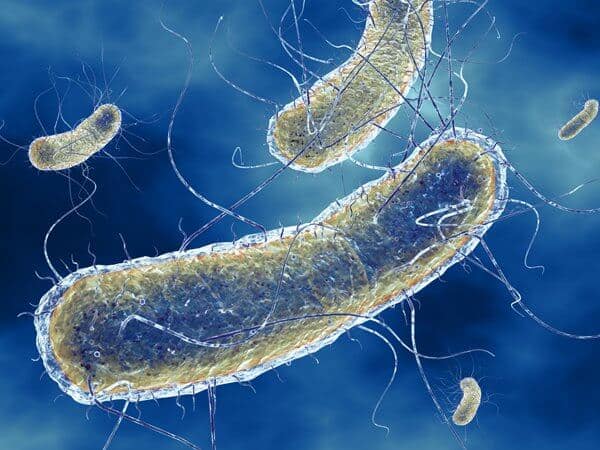
Scientists have found a way to boost the antibacterial activity of an antimicrobial peptide originating from a spider, according to a recent publication in the journal ACS Chemical Biology.
With increasing rates of antimicrobial resistance a global concern, scientists are attempting to find alternatives to the traditional antibiotic drugs which we have relied on for so many years. One of the most attractive new treatments are antimicrobial peptides (AMPs), naturally occurring molecules in all plants and animals which are associated with several benefits. Resistance to their action is much less common, owing to their broader system of targeting – for example,
ScienceBlog.com has no paywalls, no sponsored content, and no agenda beyond getting the science right. Every story here is written to inform, not to impress an advertiser or push a point of view.
Good science journalism takes time — reading the papers, checking the claims, finding researchers who can put findings in context. We do that work because we think it matters.
If you find this site useful, consider supporting it with a donation. Even a few dollars a month helps keep the coverage independent and free for everyone.