
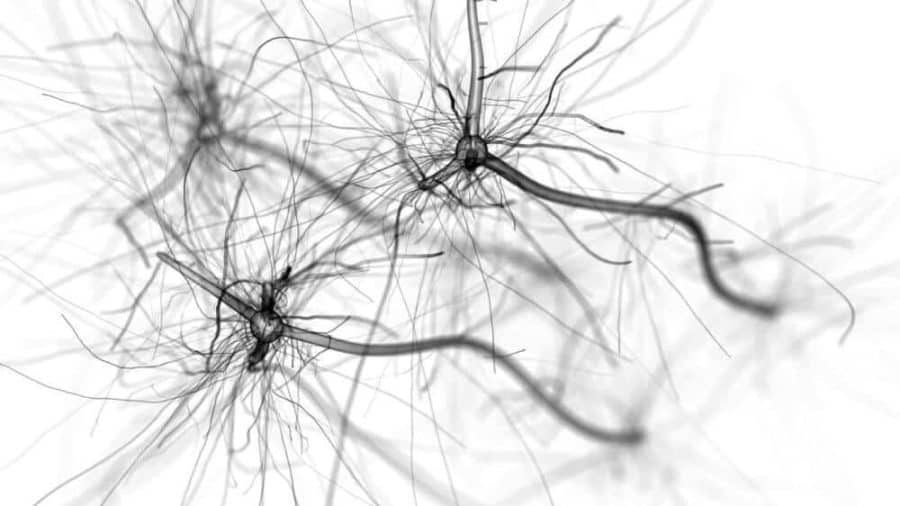
The ability to obtain new memories in adulthood may depend on neurogenesis — the generation of new neurons in the hippocampus — to clear out old memories that have been safely stored in the cortex, according to research in male rats published in JNeurosci.
Previous research suggests that the hippocampus has a finite capacity to acquire and store new memories. It is unknown how the brain compensates for this limitation to facilitate learning throughout life.
Kaoru Inokuchi and colleagues show that reducing neurogenesis in rats impairs recovery of learning capacity while promoting neurogenesis through physical activity on a running wheel increased hippocampal capacity. This finding implies that neurogenesis, which can be reduced by stress and aging, underlies the brain’s capacity for new memories. The study may also explain why exercise is especially important for patients with memory disorders such as Alzheimer’s disease as well as for healthy people to help maintain memory as they age. Article: Adult Neurogenesis Conserves Hippocampal Memory Capacity
DOI: https:/
Corresponding author: Kaoru Inokuchi (University of Toyama, Japan), [email protected]
ScienceBlog.com has no paywalls, no sponsored content, and no agenda beyond getting the science right. Every story here is written to inform, not to impress an advertiser or push a point of view.
Good science journalism takes time — reading the papers, checking the claims, finding researchers who can put findings in context. We do that work because we think it matters.
If you find this site useful, consider supporting it with a donation. Even a few dollars a month helps keep the coverage independent and free for everyone.