
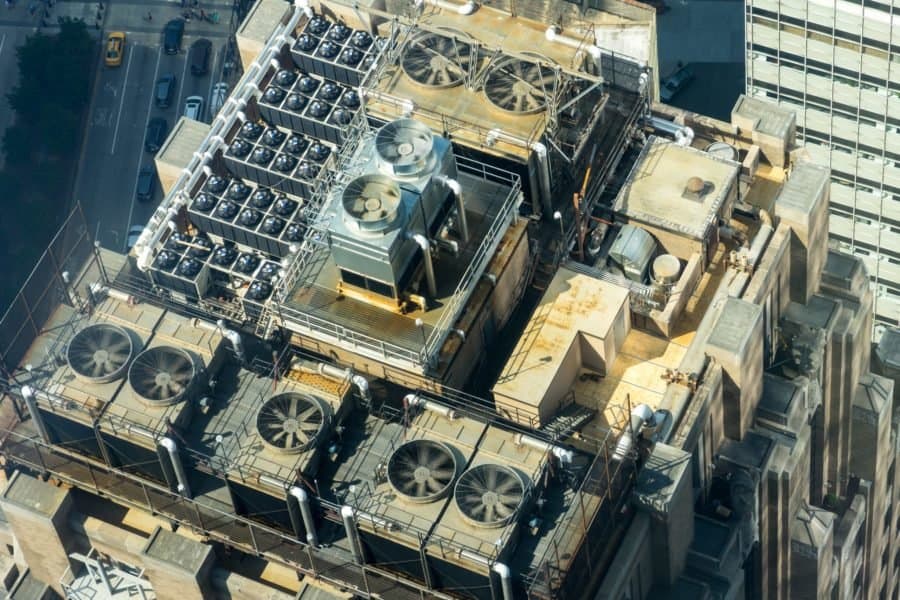
Demand for energy-intensive cooling technologies – whether for buildings, electronics, or refrigeration of food and medicines – is on the rise as global temperatures increase. But how can we make cooling technologies available to all while reducing the environmental impact? In August, Horizon looks at how science and innovation can help ‘green’ the cooling sector. We speak to ‘cold economy’ expert Prof. Toby Peters about why we need to change the way we think about how to cool things down in order to create robust cold chains for food and vaccines while minimising their environmental impact. We hear how groups of buildings are sharing so-called ‘district cooling’ systems that remove the need for expensive, energy hungry air conditioners; and we find out how we can reduce the emissions footprint of data centres, which consume more electricity than some countries. We also hear from researchers who are taking inspiration from antifreeze fish to create better ways of freezing – and thawing – human cells and tissues.
Originally published on Horizon Magazine
ScienceBlog.com has no paywalls, no sponsored content, and no agenda beyond getting the science right. Every story here is written to inform, not to impress an advertiser or push a point of view.
Good science journalism takes time — reading the papers, checking the claims, finding researchers who can put findings in context. We do that work because we think it matters.
If you find this site useful, consider supporting it with a donation. Even a few dollars a month helps keep the coverage independent and free for everyone.