
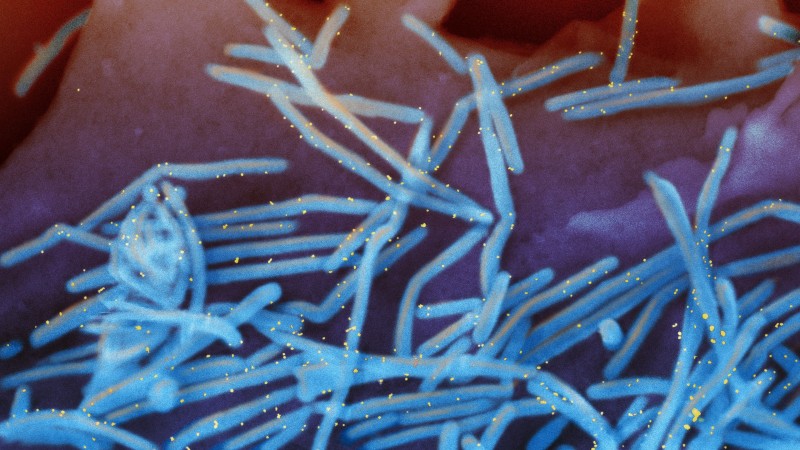
New research from Johns Hopkins Medicine reveals that older adults with weakened immune systems may not gain the same level of protection from respiratory syncytial virus (RSV) vaccines as their healthy counterparts, raising concerns about vulnerability in this high-risk population.
The study, published today in JAMA, found significant variability in immune responses among immunocompromised individuals aged 60 and older, with some showing robust antibody production while others barely responded to vaccination.
“We found that on average, older adults who are immunocompromised developed fewer antibodies against RSV following vaccination as compared with the very strong responses for healthy people over age 60 seen in the clinical trials used to validate the vaccines,” explains Dr. Andrew Karaba, assistant professor of medicine at Johns Hopkins University School of Medicine and lead author of the study.
The research team tracked 38 immunocompromised individuals between ages 64 and 72 through the Emerging Pathogens of Concern in Immunocompromised Persons (EPOC) study. The majority were organ transplant recipients taking multiple immunosuppressive medications to prevent rejection.
The findings carry particular weight given that RSV poses a serious threat to elderly and immunocompromised populations, potentially leading to severe respiratory complications including pneumonia. While commonly associated with infant infections, RSV’s impact on vulnerable adult populations has gained increasing attention from public health officials.
A key discovery emerged when researchers compared responses between the two available RSV vaccines: Arexvy and Abrysvo. Dr. William Werbel, assistant professor of medicine at Johns Hopkins and senior study author, notes that participants receiving Arexvy, which contains an immune-stimulating adjuvant, tended to show higher levels of virus-neutralizing antibodies compared to those receiving the adjuvant-free Abrysvo.
Despite these concerning findings, the researchers emphasize that the study doesn’t suggest RSV vaccines are ineffective for immunocompromised individuals. The CDC continues to recommend vaccination for adults 75 and older, as well as high-risk individuals over 60.
The research parallels earlier Johns Hopkins studies examining COVID-19 vaccine responses in immunocompromised populations. That work ultimately led to recommendations for additional vaccine doses in these vulnerable groups.
The study was supported by multiple National Institute of Allergy and Infectious Diseases grants and conducted through collaboration between Johns Hopkins Medicine and NYU Grossman School of Medicine researchers.
Looking ahead, Dr. Karaba sees more work on the horizon: “We look forward to additional research on RSV vaccine responses that will provide guidance for optimized timing and vaccine selection for people who are immunocompromised.”
ScienceBlog.com has no paywalls, no sponsored content, and no agenda beyond getting the science right. Every story here is written to inform, not to impress an advertiser or push a point of view.
Good science journalism takes time — reading the papers, checking the claims, finding researchers who can put findings in context. We do that work because we think it matters.
If you find this site useful, consider supporting it with a donation. Even a few dollars a month helps keep the coverage independent and free for everyone.