

A painful neurological condition affecting up to one percent of people today may stem from ancient interbreeding between humans and Neanderthals tens of thousands of years ago, according to new research from Simon Fraser University.
The study links Chiari Malformation Type 1, a potentially fatal brain condition, to genetic inheritance from our extinct cousins who walked the Earth alongside early modern humans.
Published in Evolution, Medicine, and Public Health, the research used advanced 3D skull analysis and statistical techniques to compare the cranial shapes of living people with and without the condition to fossil specimens from multiple human species, including Neanderthals, Homo erectus, and Homo heidelbergensis.
When Skull Size Doesn’t Match Brain Size
Chiari Malformation Type 1 occurs when the back portion of the skull is too small to accommodate the brain, forcing part of the cerebellum to herniate through the opening where the skull meets the spine. This creates a dangerous pinching effect that can cause severe headaches, neck pain, dizziness, and in extreme cases, death.
The condition affects an estimated 1 in 1,000 people, though recent imaging studies suggest the true prevalence may be much higher—possibly exceeding 1 in 100. Many cases remain undiagnosed because symptoms can be subtle or attributed to other causes.
“In medicine, as in other sciences, clarifying causal chains is important,” explained Mark Collard, Canada Research Chair in Human Evolutionary Studies at SFU. “The clearer one can be about the chain of causation resulting in a medical condition, the more likely one is to be able to manage, or even resolve, the condition.”
Fossil Evidence Points to Neanderthal Connection
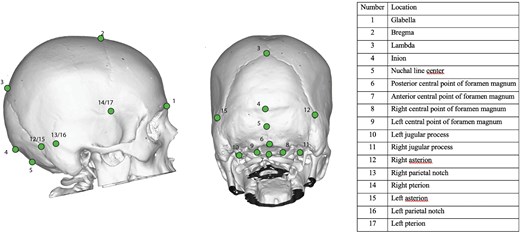
Researchers analyzed CT scans from 103 living individuals—46 with Chiari Malformation and 57 without—alongside 3D models of eight fossil skulls representing different human species. Using 17 precisely mapped landmarks on each skull, they applied geometric morphometric analysis to compare cranial shapes across groups.
The results revealed a striking pattern: people with Chiari Malformation shared significantly more skull shape characteristics with Neanderthals than did unaffected individuals. Conversely, people without the condition showed greater similarity to other ancient human species.
Key Study Findings:
- Affected individuals show reduced cranial vault height and occipital bone development
- Brain herniation correlates with specific Neanderthal-like skull features
- Modern humans retain 2-5% Neanderthal DNA from ancient interbreeding
- Skull shape differences appear primarily in the brain’s base region
- Geographic populations may face varying risk levels based on ancestry
Ancient Genes in Modern Medicine
The research builds on established knowledge that non-African populations carry 2-5% Neanderthal DNA from interbreeding events occurring tens of thousands of years ago. While most inherited Neanderthal traits are harmless or even beneficial, some may create problems when combined with modern human anatomy.
The team’s analysis revealed that people with Chiari Malformation have skulls with reduced height, flatter occipital bones, and differently positioned brain openings—characteristics that align closely with Neanderthal cranial features. This suggests that genes controlling skull development, inherited from Neanderthals, may create a size mismatch with the larger, more globular brains of modern humans.
“The hypothesis needs to be tested further, but our study may mean we are one step closer to obtaining a clear understanding of the causal chain that gives rise to Chiari Malformation Type 1,” Collard noted.
Geographic Implications for Risk Assessment
The findings suggest that populations with higher levels of Neanderthal ancestry—particularly those of European and Asian descent—might face elevated risk for Chiari Malformation compared to African populations, who carry minimal Neanderthal DNA. However, the researchers emphasize that additional studies are needed to confirm these geographic patterns.
The research team initially tested a broader hypothesis suggesting three extinct human species contributed problematic genes, but their analysis narrowed the likely source to Neanderthals specifically. Neither Homo erectus nor Homo heidelbergensis showed strong skull shape similarities to affected modern humans.
This evolutionary medicine approach demonstrates how studying ancient human relatives can illuminate contemporary health challenges. The researchers used sophisticated statistical shape analysis that goes far beyond traditional medical imaging, revealing previously unrecognized skull characteristics associated with the condition.
“Studying archaeology and human evolution is not just interesting. It also has the potential to help us understand and, in some cases, cope with problems in the present,” Collard emphasized. “In this case, we’ve used fossils to help us shed light on a medical condition, but there are a lot of other contemporary problems that archaeological and palaeontological data can help us understand better.”
Future research will examine whether the prevalence of Chiari Malformation varies predictably across global populations based on their levels of Neanderthal ancestry, potentially leading to improved screening and treatment strategies for this serious neurological condition.